CERTIFIED COSMETICSLatest news

Here we bring the latest news of anything new in the cosmetic market.
bt_bb_section_bottom_section_coverage_image
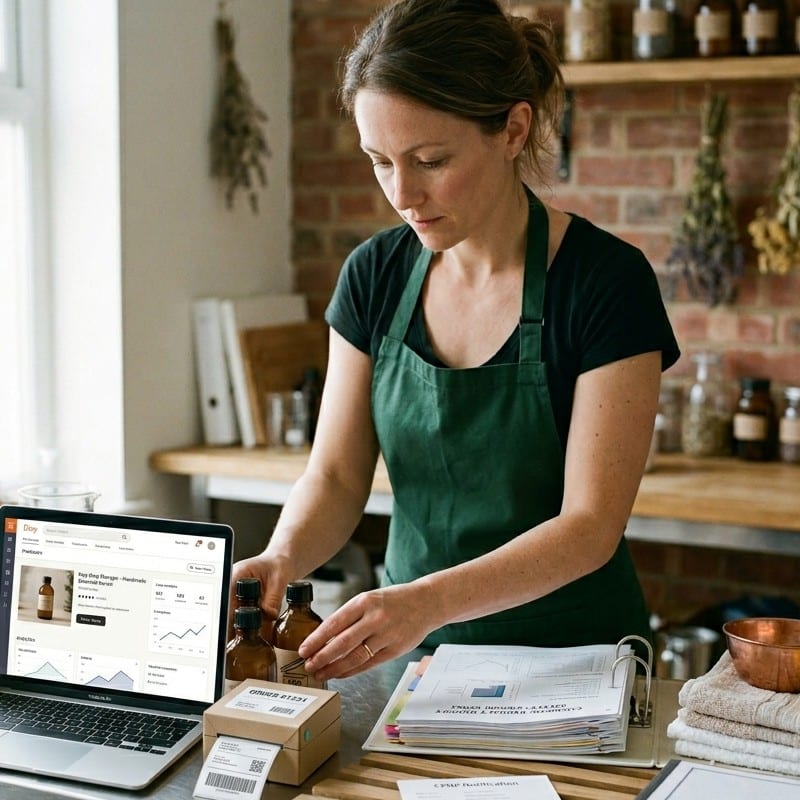
Do handmade cosmetics require CPSR

When you decide to turn a hobby into a professional business, the shift from “crafting” to “manufacturing” brings a wave of new responsibilities. One of the most common questions for artisans entering the market is whether handmade or small-batch products are subject to the same rigorous testing as those from global beauty giants. Under European...

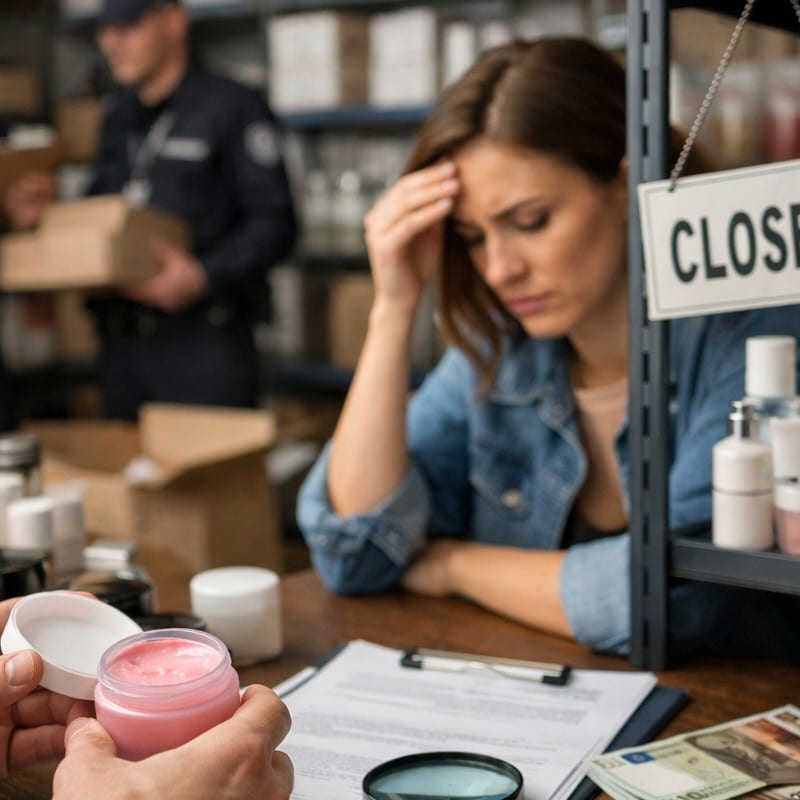
What happens if you sell non compliant cosmetics

Bringing a cosmetic product to market in the European Union is not just a creative or commercial exercise—it is a regulated activity governed by Regulation (EC) No 1223/2009 on cosmetic products. This framework establishes clear obligations to ensure that all products are safe for human health. When a product does not meet these requirements, it...

How to find a responsible person in the EU

Placing a cosmetic product on the European Union market involves more than formulation and branding. One of the key legal requirements is the designation of a Responsible Person (RP). This role is central to ensuring that every cosmetic product made available to consumers complies with EU safety and regulatory standards. For new businesses and manufacturers,...

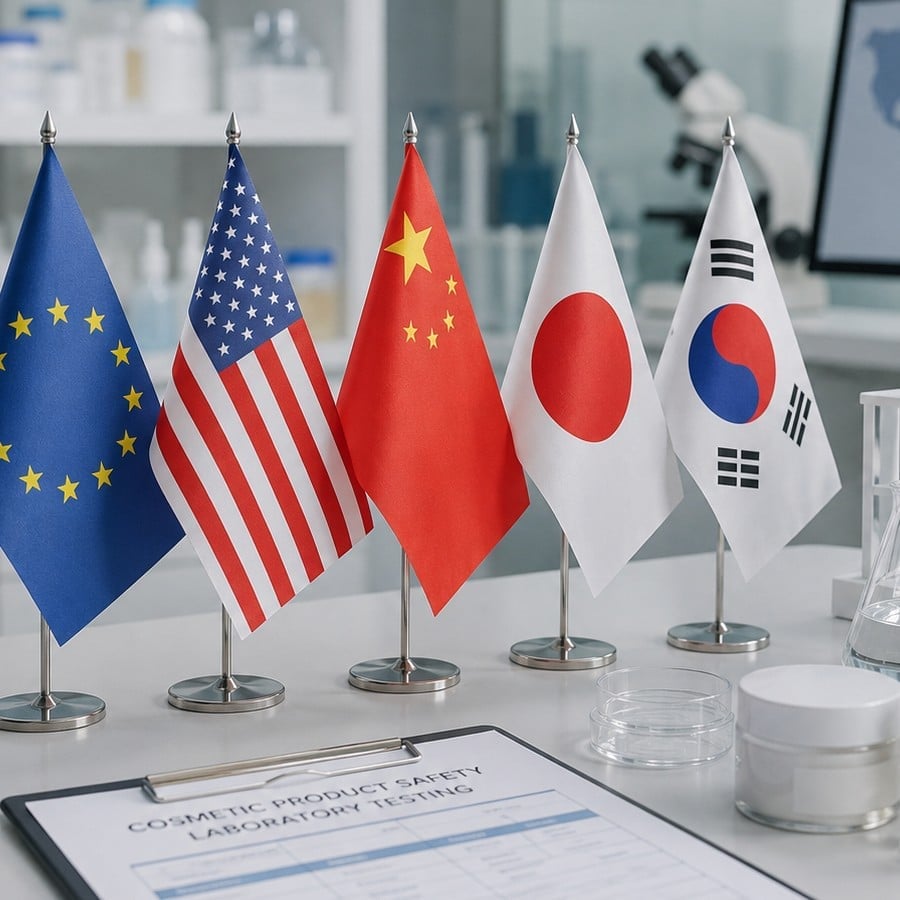
Cosmetic Lab Testing Requirements: EEA vs US vs China vs Japan vs South Korea

The global cosmetics industry operates within a complex regulatory landscape where product safety, ingredient control, and testing standards vary significantly across regions. For manufacturers aiming to enter multiple markets, understanding these differences is not just a matter of compliance—it is a strategic necessity. This article provides a comparative overview of laboratory testing requirements in four...

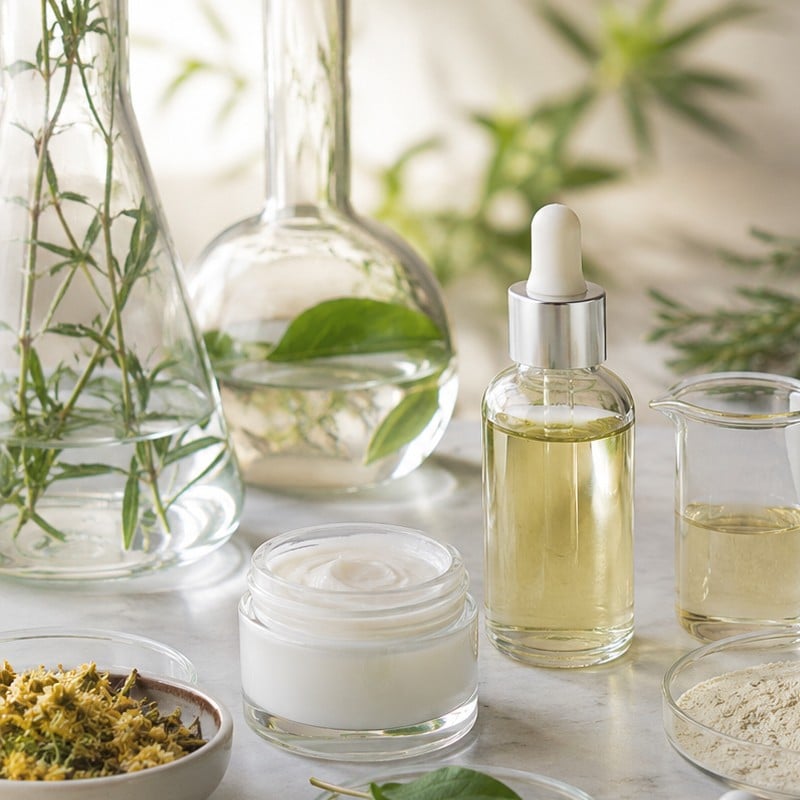
Natural vs synthetic cosmetics regulations

The debate between “natural” and “synthetic” cosmetics has become increasingly visible in recent years. Consumers often associate natural ingredients with safety, sustainability, and skin compatibility, while synthetic ingredients are sometimes perceived as artificial or potentially harmful. However, from a regulatory perspective in the European Union, cosmetics are not assessed according to whether they are natural...

How to Prepare Your Cosmetic Product for International Lab Testing

Launching a cosmetic product internationally involves much more than adapting packaging or translating labels. Before entering markets such as the European Economic Area (EEA), the United States, China, Japan, or South Korea, manufacturers must demonstrate that their products are safe, stable, and compliant with local regulations. Because each region applies and regulatory requirdifferent testing standards ements,...

Global Cosmetic Testing Guide: How to Comply in 5 Major Markets

Expanding cosmetic products internationally is no longer only a commercial challenge—it is also a regulatory one. Cosmetic manufacturers must navigate different testing standards, ingredient restrictions, documentation requirements, and approval systems depending on the target market. A product considered compliant in one region may require additional testing or reformulation before being legally sold elsewhere. For companies...

Dropshipping cosmetics legal requirements

Starting a cosmetics business through dropshipping can seem like a low-risk entry into the beauty industry. However, when operating within the European Union, cosmetics are subject to strict regulatory oversight. Understanding these legal requirements is essential—not only to avoid penalties, but also to ensure consumer safety and build a trustworthy brand. This article provides a...

Selling cosmetics on Amazon EU requirements

Entering the European cosmetics market through Amazon can be an excellent opportunity for manufacturers and entrepreneurs. If you have already explored the minimum legal requirements to sell cosmetics in the European Union, you might be wondering what actually changes when you move into an online marketplace like Amazon. The short answer is simple: the regulatory...