CERTIFIED COSMETICSLatest news

Here we bring the latest news of anything new in the cosmetic market.
bt_bb_section_bottom_section_coverage_image
Dermal Absorption Explained for Cosmetics

When a cosmetic product is applied to the skin, not all of its ingredients remain on the surface. Some substances may penetrate the outer skin layers and, in certain cases, reach deeper tissues or even systemic circulation. This process is known as dermal absorption, and it plays an essential role in cosmetic safety assessment under...
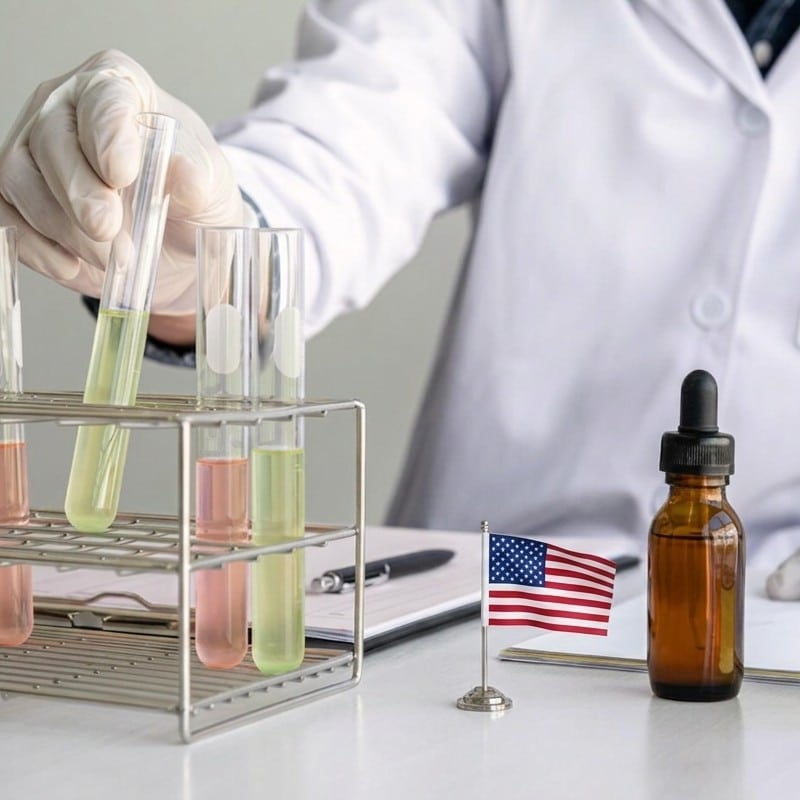
FDA Guidelines for Cosmetic Safety Testing Explained

Under the Federal Food, Drug, and Cosmetic Act (FD&C Act), manufacturers are legally responsible for ensuring that cosmetic products are safe for consumers when used as intended. This principle has gained even greater importance following the introduction of the Modernization of Cosmetics Regulation Act (MoCRA), which expanded FDA oversight and reinforced expectations around safety substantiation...

How to calculate safe ingredient percentages

Creating a cosmetic product is not simply a matter of mixing ingredients until a desired texture or fragrance is achieved. In the European Union, cosmetic formulation is tightly regulated to ensure that products placed on the market are safe for human health under normal and reasonably foreseeable conditions of use. The cornerstone of this framework...

Microplastics in Cosmetic Products Explained

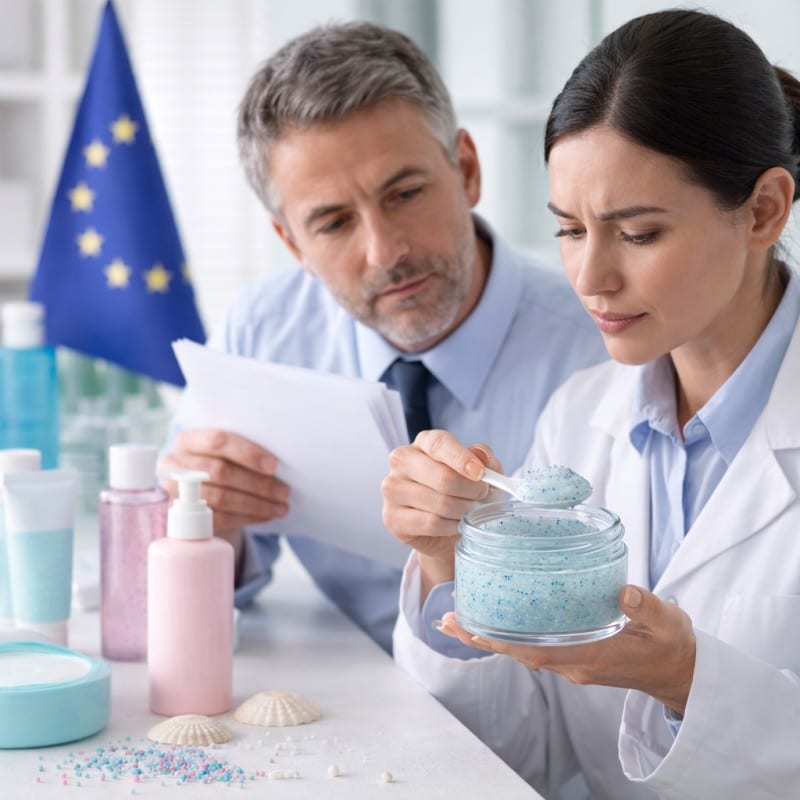
lastic pollution has been a global concern for many years. Most people imagine bottles or plastic bags floating in oceans, yet there is another issue that is much smaller and harder to see. Microplastics, which are tiny plastic particles, are often invisible to the naked eye but still raise serious concerns. Cosmetic products are one...