
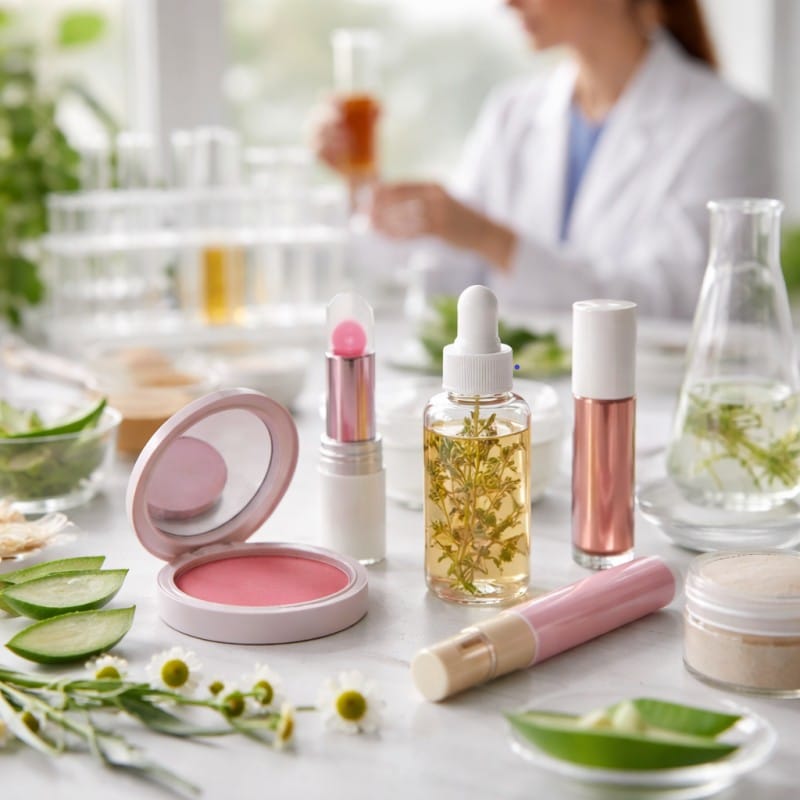

Starting a cosmetic business in the European Union is not just about compliance—it’s about building a complete ecosystem where science, manufacturing, branding, and regulation work together. A successful cosmetic brand requires coordination across multiple areas: R&D, operations, marketing, quality, and strategy.
This guide walks you through the full business journey, from idea to market launch, integrating both regulatory and operational perspectives.
Define Your Business Concept and Strategy
Every cosmetic project begins with a clear concept. Before entering the laboratory or selecting ingredients, it is essential to define what your brand stands for. This includes identifying your product category—whether skincare, haircare, or makeup—as well as your target audience and positioning.
A brand positioned as clinical or dermatological will require a very different development pathway compared to one focused on lifestyle, natural ingredients, or affordability. These early decisions will influence formulation choices, packaging design, pricing, and communication strategy. At this stage, market research becomes a key tool to understand competitors, consumer expectations, and emerging trends within the EU landscape.
Product Development
Once the concept is defined, the focus shifts to product development. This is where formulation begins, combining technical performance with sensory experience. Texture, fragrance, absorption, and stability all play a role in how the final product is perceived.
Ingredient selection must balance efficacy, safety, and regulatory constraints. Even at this early stage, awareness of EU restrictions is important to avoid reformulation later. Development often involves multiple iterations, especially when refining performance or aligning the product with brand claims.
Feasibility: Costing and Supply Chain
Before going too far, feasibility must be assessed. A promising formula is not enough if it cannot be produced at a viable cost. Raw materials, packaging, manufacturing, and logistics must all be considered together to ensure a sustainable margin. Supply chain planning also begins here, identifying reliable suppliers and partners who can support consistent production.
Manufacturing Setup (Operations)
With a validated formula, attention turns to manufacturing. Companies must decide whether to produce in-house or work with a contract manufacturer. Each option has implications in terms of investment, flexibility, and control.
Regardless of the model, production must follow Good Manufacturing Practices, typically aligned with ISO 22716. This ensures that products are consistently produced and controlled according to quality standards. Hygiene, documentation, traceability, and batch control are not only regulatory expectations but also essential elements of operational reliability.
Regulatory Compliance (EU Framework)
Regulation should not be treated as a final step, but rather as a continuous layer throughout development. Under Regulation (EC) No 1223/2009, every cosmetic product placed on the EU market must meet specific requirements.
This includes confirming that the product qualifies as a cosmetic, appointing a Responsible Person within the EU, and ensuring that all ingredients comply with the relevant annexes. A Cosmetic Product Safety Report must be carried out by a qualified expert, and a Product Information File must be compiled and maintained.
Before commercialization, the product must also be notified through the Cosmetic Products Notification Portal. These obligations form the legal framework that guarantees consumer safety and product transparency.
Testing and Validation
Before launch, products must undergo appropriate testing to confirm their quality, stability, and safety. Stability and compatibility studies ensure that the product maintains its integrity over time and interacts correctly with its packaging and microbiological testing verifies that preservation systems are effective.
If specific claims are made, such as hydration or soothing effects, they must be supported by adequate evidence. This may involve instrumental measurements, laboratory studies, or consumer perception tests. Testing is therefore not only a regulatory requirement but also a foundation for credible marketing.
Branding and Marketing Development
As the product takes shape, branding becomes central. Packaging is no longer just a container—it is a key interface between the product and the consumer. It must protect the formula, ensure usability, and reflect the brand’s identity.
At the same time, labelling must comply with EU requirements, including ingredient lists, Responsible Person details, and usage information. This creates a balance between creativity and compliance, where design and regulation must coexist.
Marketing development also plays a crucial role. A strong brand narrative, supported by consistent visual identity and messaging, helps position the product in a competitive market. Whether through digital channels, professional endorsements, or educational content, communication should align with both consumer expectations and regulatory constraints on claims.
Go-to-Market Strategy
With development, compliance, and branding in place, the focus shifts to commercialization. Choosing the right distribution channels—whether e-commerce, retail, pharmacies, or professional networks—has a direct impact on pricing, margins, and brand perception.
The launch phase involves not only making the product available but also generating visibility and trust. Initial production planning must align with expected demand, avoiding both shortages and overstock.
Post-Market Surveillance
Once the product is on the market, responsibilities continue. Companies must monitor consumer feedback and manage any undesirable effects. Serious incidents must be reported to authorities as part of cosmetovigilance obligations.
Beyond compliance, post-market data provides valuable insights for improvement and expansion. Successful brands use this information to refine formulations, optimize operations, and support future product development.
Building a cosmetic business
Creating a cosmetic business in the EU is a multidisciplinary process that extends far beyond regulatory compliance. It requires the integration of scientific expertise, operational planning, and brand strategy into a coherent whole.
Regulation ensures safety and structure, but it is the combination of well-developed products, efficient manufacturing, and compelling communication that ultimately determines success. By approaching each step with both rigor and vision, entrepreneurs can build cosmetic brands that are not only compliant, but also relevant and competitive in a demanding market.
