
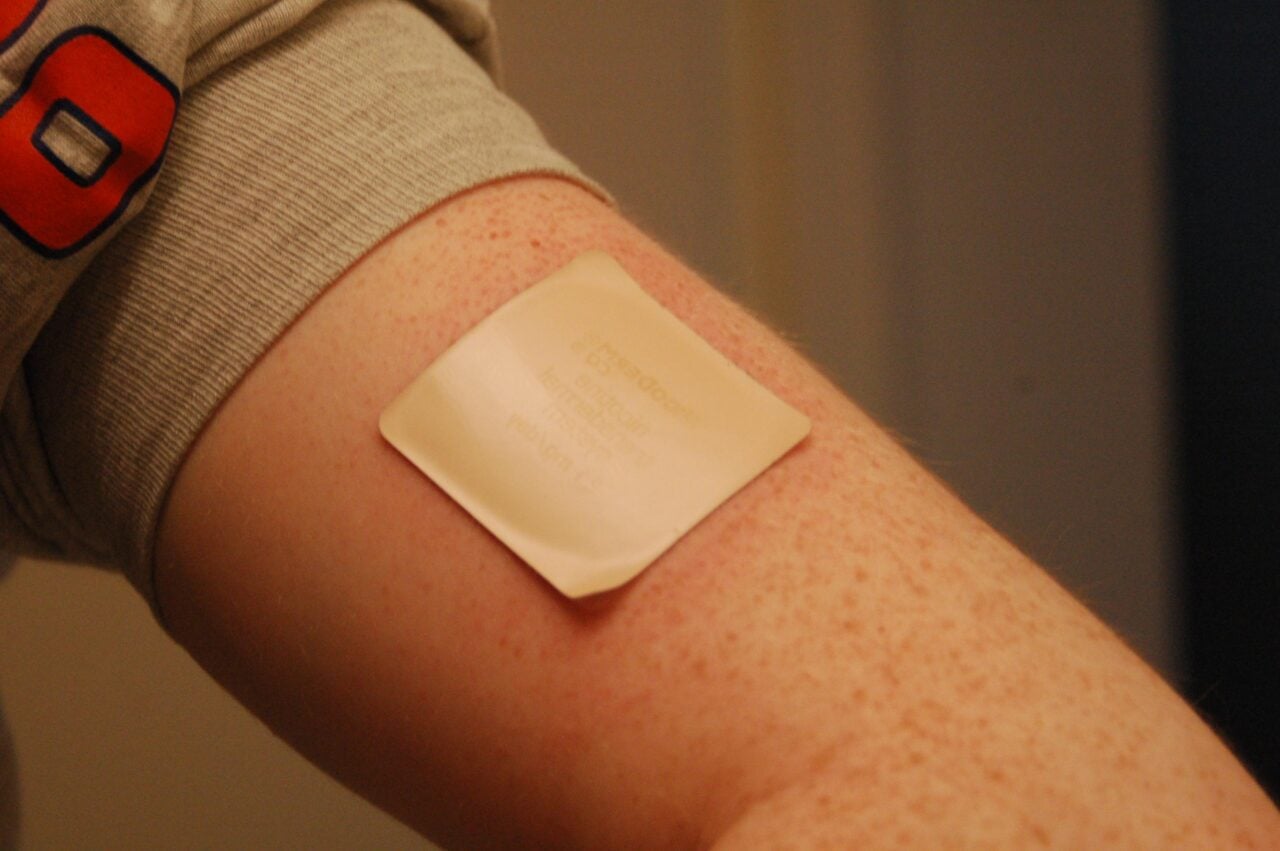
Skin patches, widely used for delivering active ingredients through the skin, can be classified as either cosmetics or medical devices under EU regulations—depending on their intended use and overall function. In the European market, the main determining factor is whether the skin patch’s primary purpose is for beautifying, cleansing, or care of the skin (cosmetic purpose), or for a therapeutic or medical outcome (medical device). Understanding this distinction is essential for cosmetic brands, formulators, and product developers navigating compliance with EU regulations.
Understanding the Difference: Cosmetic vs. Medical Device
The classification of skin patches as either cosmetics or medical devices hinges on borderline criteria set by the European Commission. According to EU Regulation (EC) No 1223/2009 on cosmetic products, a product qualifies as a cosmetic if it is intended for placing in contact with the skin for the sole or main purpose of cleaning, perfuming, changing the appearance, protecting, keeping in good condition or correcting body odours. Conversely, if a skin patch delivers a pharmacologically active ingredient or claims to treat, prevent, or diagnose a medical condition, it is likely to be classified as a medical device or even a medicinal product .
Key Considerations for Skin Patch Classification
Several factors are taken into account when determining whether a skin patch is a cosmetic product or a medical device:
- Intended Use and Claims: The purpose described in marketing, labeling, and instructions is critical. Cosmetic patches typically claim to moisturise, refresh, or reduce the appearance of fine lines, while medical devices claim pain relief, treatment of conditions (e.g., acne), or delivery of active drugs.
- Mode of Action: Cosmetics usually have a physical or surface-level effect (hydration, skin barrier support), whereas medical devices act primarily through a physical or mechanical mode, and medicinal products have a pharmacological, metabolic, or immunological action .
- Active Ingredients: Patches containing substances with pharmacological effects are scrutinised for potential medicinal product classification.
- Presentation: The way the product is promoted—including packaging, instructions, and advertising—can shift its classification.
Possible Classifications Under EU Law
EU guidelines recognize that certain products, like skin patches, fall within a “borderline” area between cosmetics, medical devices, and sometimes medicinal products. For example:
- Cosmetic Patches: If a patch solely aims to improve skin appearance, hydrate, or refresh the skin, it is generally considered a cosmetic product under Regulation (EC) No 1223/2009 .
- Medical Device Patches: If it is intended for medical purposes, such as transdermal drug delivery (e.g., nicotine, pain relief), or therapeutic skin conditions, it falls under the Medical Device Regulation (EU) 2017/745.
- Borderline Examples: A patch marketed to treat acne (a medical condition) might be a medicinal product or medical device, while a patch reducing under-eye puffiness or hydrating the skin—without therapeutic claims—remains a cosmetic.
Always consult with regulatory experts for a definitive classification and to ensure full compliance with all applicable EU laws and guidance. By understanding and clearly defining your skin patch product’s intended use and claims, you can navigate the complex landscape of EU cosmetic and medical device regulations, ensuring both safety and legal compliance for successful market entry.


