
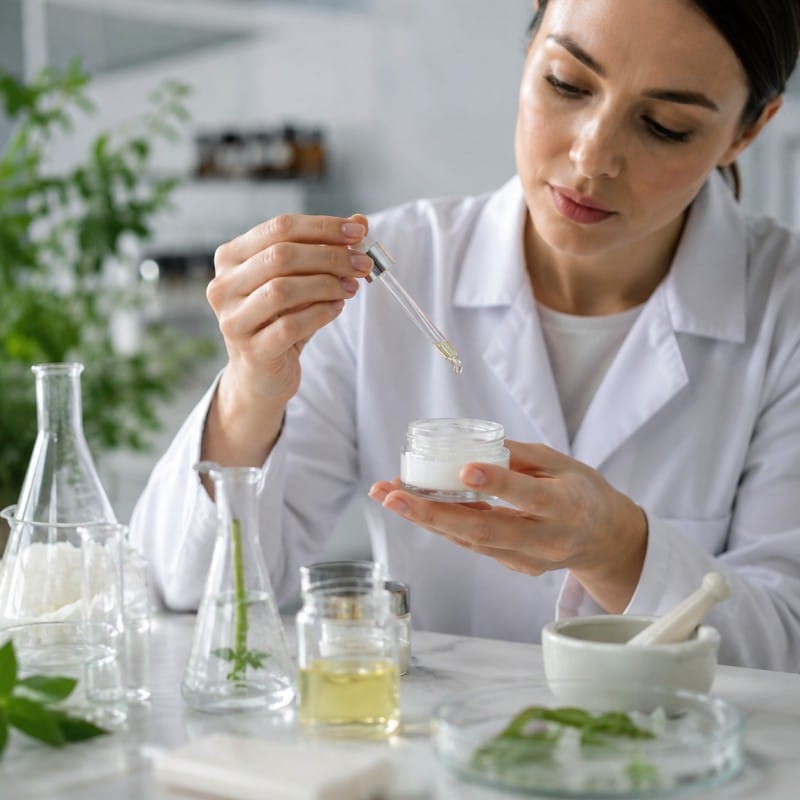
Active ingredients in personal care have advanced in precision, customization, and effectiveness. every year, new substances emerge, yet time-tested components continue to be staples in the beauty market.These trusted actives are not being replaced, but instead are being reimagined to keep their reputation strong while aligning with consumer demand for higher efficacy, transparency, and lasting practices.
The Enduring Appeal of Proven Beauty Ingredients
Ingredients like hyaluronic acid, retinol, and vitamin C are famous for a reason. A long record of safety and effectiveness inspires confidence, but recognition alone no longer sways buyers.
Today, consumers insist that familiar actives perform at the highest level. criteria including sustainability, ethical supply chains, and data-driven results have joined effectiveness as minimum requirements. The challenge for cosmetic brands lies in blending the historic reliability of classic actives with the creativity and progress of modern science.
Companies find that reinventing these substances is strategic, given their proven biological effects and strong market reputation.
Cutting-Edge Science Elevates Trusted Actives
Conversion of a classic ingredient does not change its core; instead, the industry focuses on increasing efficacy, lowering environmental impact, and enhancing sensory and accessibility features, all while retaining user trust.
Modern consumers demand evidence-backed, safe options. Biomimicry and biotechnology are now essential. Biomimicry draws inspiration from nature’s designs to improve performance and function, while biotechnology uses living cells and systems to produce or enhance ingredients with greater precision and traceability.
This shift moves ingredients from passive roles to active solutions, chosen for how they work with skin biology and their fit within new formats.
Companies highlight that updating how an ingredient is sourced or processed brings fresh advantages-without altering the original molecule, they create new benefits while keeping the familiar name.
Innovation in Hyaluronic Acid and Retinol Formulations
Hyaluronic acid continues to be a cosmetic mainstay, yet higher molecular weights have trouble penetrating skin, while lower weights risk irritation and enzyme breakdown.
To solve these obstacles, teams have developed AlgaSurge, a sulfated polysaccharide with similar hydrating effects but better stability and tolerance.With retinol,new analogues offer the same visible results with fewer side effects. By focusing on delivery systems and purifying raw materials, brands answer both performance and safety concerns.
Market interest is climbing for waterless products, microbiome-respecting formulas, and hybrids that merge skin care and makeup. Classic emollients and waxes now deliver lighter feel and clarity,suitable for next-generation formats such as clear sticks and advanced lip products.
Cosmetic formulators are mixing established humectants, emulsifiers, and UV filters with modern tech to boost stability, compatibility, and compliance.
Legacy Botanicals Remain competitive
A large group of buyers still prefers simple, legacy ingredients they can trust for health and comfort benefits.
Examples like aloe vera, centella asiatica, calendula, green tea, and plant-based butters remain relevant thanks to their heritage, gentle image, and broad acceptance.
Today’s measure of authenticity is grounded in transparency, robust scientific validation, and clear sourcing-not just origin.
Biomimicry deepens this value, connecting customary knowledge to modern science for skin barrier support, microbiome balance, and antioxidant action .
Consumers rate botanical oils, waxes, butters, vitamins, and mineral-based UV filters favorably, largely due to their effectiveness and perceived purity.
Responsible Sourcing and Ingredient Transparency
genuine credibility involves more than natural claims. Traceable sources, support for local producers, and minimal processing are priorities for modern buyers.
product performance frequently enough improves when companies refine ingredients for purity and function, leverage innovative delivery mechanisms, and honor a substance’s heritage.
Regional trends show marked differences. Herbal and traditional medicine-inspired ingredients hold sway in Asia, while oils such as argan and baobab maintain popularity in Africa. Nonetheless, globally recognized molecules like hyaluronic acid and retinol hold wide appeal.
Brands use scientific insight to pinpoint where tweaks in sourcing or processing yield clear functional boosts-without compromising the original appeal.
Rising Standards for Sustainability
Eco-pleasant practices now shape cosmetic purchase decisions around the world. Consumers want proof that brands protect resources, respect communities, and prioritize ethical farming and supply chains.
Brands are backing their sustainability credentials with life cycle analysis measuring impacts across production, using standards such as the Union for Ethical BioTrade, and applying the Nagoya Protocol to guarantee fair resource use.
Biotechnology and biomimicry further lower reliance on intensive extraction, supporting greener product development pathways while preserving critical species and environments.
Ingredients Poised for the Next wave of innovation
Looking ahead, the biggest advances may come from modernizing well-known actives, not inventing entirely new materials.Leading plant-based ingredients-linked to resilience and long-term skin health-look set to remain at the center of next-gen cosmetics. Interest in fermentation-sourced actives, marine extracts, and adaptive botanicals grows as wellness and beauty merge.
Brands that share scientific advances transparently and communicate complex benefits in clear language will stand out.
Traditional categories-emollients,extracts,vitamins,and natural polymers-are especially promising when combined with green chemistry and smarter processing.
Potential for reinvention remains strong in icons like hyaluronic acid, retinol, vitamin C, and even peptides, wich are now being produced thru low-impact, natural-inspired methods. With these advances, time-tested ingredients will keep shaping the future of personal care.
