CERTIFIED COSMETICSLatest news

Here we bring the latest news of anything new in the cosmetic market.
bt_bb_section_bottom_section_coverage_image
What is the CosIng database and how to use it

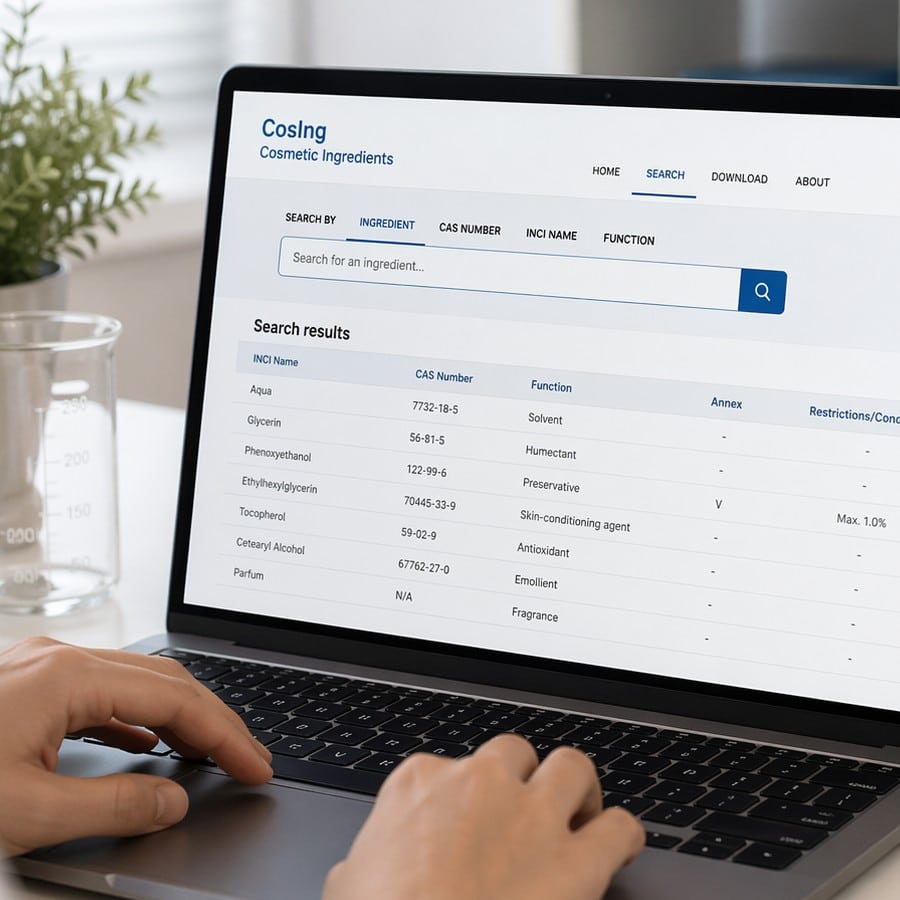
For anyone working with cosmetic formulations in the European Union, understanding how to verify ingredient compliance is essential. One of the most practical tools available for this purpose is the CosIng database. Developed by the European Commission, CosIng is a publicly accessible resource that compiles information on cosmetic ingredients and their regulatory status under Regulation...
Restricted substances in EU cosmetics explained

Understanding restricted substances is a key step in ensuring cosmetic compliance in the European Union. While much attention is often given to banned ingredients, many substances are actually permitted—but only under specific conditions. These are known as restricted substances, and they are primarily regulated under Annex III of Regulation (EC) No 1223/2009. For formulators and...

Banned ingredients in cosmetics: EU list

Understanding which ingredients are banned in cosmetics is a fundamental step for anyone working in formulation, manufacturing, or product development within the European Union. Under EU law, safety is the cornerstone of cosmetic regulation, and certain substances are strictly prohibited to protect consumer health. This article explains how banned ingredients are regulated, where to find...

Preservatives allowed in cosmetics EU

In the European Union, the use of preservatives in cosmetic products is strictly regulated to ensure consumer safety while maintaining product integrity. The cornerstone of this framework is Regulation (EC) No 1223/2009 on cosmetic products, which harmonizes rules across all EU Member States. Under this regulation, preservatives are defined as substances exclusively or mainly intended...

Fragrance allergens EU explained

Fragrance is one of the most appealing aspects of a cosmetic product, shaping user experience and brand identity. However, it is also one of the main sources of skin sensitization. Certain fragrance ingredients can trigger allergic reactions in susceptible individuals, leading to conditions such as contact dermatitis. To protect consumers, the European Union has developed...

Maximum fragrance usage levels explained

Fragrance is one of the most important elements in cosmetic formulation. It defines the sensory identity of a product, influences consumer perception, and often becomes a key part of brand recognition. However, fragrance ingredients are also among the most regulated substances in the cosmetic industry due to their potential to cause skin sensitisation, irritation, or...

Clinical Research Finds Black Seed Oil Supports Healthier Teeth and Gums

A recently released clinical inquiry evaluated a patented oral hygiene compound derived ​from black seed oil extract. Designed to promote dental and gum wellness, the ‍ingredient was studied in lozenge form over a 28-day⁤ period. Researchers observed reduced ⁤levels of dental plaque, less‍ gingival bleeding, and greater oral microbiome diversity.‍  The company highlights that this extract...

Are Pet Cosmetics Safe and Regulated?

Pet cosmetics are becoming a much bigger market, though EU cosmetic rules do not apply to animals. Using cosmetics made for humans on pets can be risky and sometimes harmful. Products for dogs and cats should be developed specifically for animals, with veterinary input and proper safety standards. Over the last few years, the pet...

EU Cosmetic Safety Alerts Reach New Peak in 2025

According to the European Commission, cosmetic products topped the list of hazardous goods reported in the EU last year. The Safety Gate Report highlighted ⁢an unprecedented surge, with 4,671 cosmetic-related alerts logged in 2025-the highest ‌since tracking began in 2003. This number marked a 13% rise compared with 2024 and represented more than double the...

China Updates Rules for Imported and Exported Cosmetics

China’s customs authorities are introducing a new set of rules for cosmetics traded across its borders. On May 6, 2026, the General Administration of Customs of the People’s Republic of China (GACC) issued Decree No. 284 and published the Measures for the Inspection and Quarantine Supervision and Administration of Import and Export Cosmetics of the...