
The US Food and Drug Management (FDA) has officially cleared bemotrizinol (BEMT) for use as an active ingredient in sunscreens, ending a pause of over twenty years since the agency last allowed a new UV filter. American manufacturers, who have long relied on older actives, can now introduce BEMT-based formulations, a change eagerly anticipated by the beauty sector. Bemotrizinol joins the US market after decades of safe use in sunscreens across Europe and Asia, where it has consistently delivered strong protection.
According to HHS Secretary Robert F.Kennedy, Jr.,this decision aligns with recent public health initiatives and is expected to bolster both competition and public faith in the safety and effectiveness of US sunscreens. European regulators have supported bemotrizinol for years, and its entry signals a new era for American sun care.
Breaking Through Regulatory Gridlock
The US classifies sunscreens as over-the-counter (OTC) drugs, which means manufacturers must meet strict standards. Unlike Europe and other regions, where sunscreens fall under cosmetic laws and new actives arrive more quickly, US innovators have faced long delays before bringing new options to market.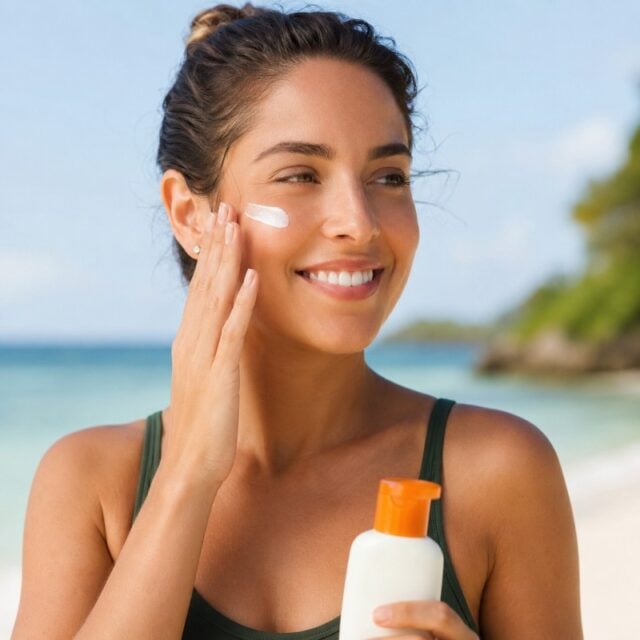
An FDA spokesperson confirmed that BEMT’s approval marks the first time as the CARES act was introduced that a UV filter was added to the OTC sunscreen monograph.The CARES (Coronavirus Aid, Relief, and economic Security) Act introduced measures that simplified the lengthy monograph review process, making it possible for advances like this one.
DSM Nutritional Products, the driving force behind BEMT’s US debut, invested more than $20 million during a 20-year campaign for approval-an effort reflecting both regulatory challenges and the potential market impact. The request allowed BEMT up to 6% as an active ingredient. Vicki Barboiu, senior director at dsm-firmenich, explained that the FDA’s move will help American brands close the protection gap, especially in broad-spectrum UVA/UVB coverage.
BEMT and the Revolution in UVA Defense
The Environmental working Group (EWG) underscored that US shoppers can now access levels of UVA protection not previously available with domestic products. For comparison, consumers in other markets have enjoyed advanced filters like bemotrizinol for years, resulting in more complete sun care.
David Andrews, EWG’s chief science officer, called the FDA’s approval a breakthrough for consumers and advocates working to update US sunscreen standards. He said bemotrizinol’s arrival will bring US products in line with leading international options.
Bemotrizinol stands out for its high photostability,resisting breakdown when exposed to sunlight. This makes it a distinct advancement over current non-mineral UV filters such as avobenzone, which loses effectiveness with sun exposure. Alexa Friedman of EWG noted that, until now, avobenzone was the only non-mineral US filter with solid UVA defense, but it remains vulnerable to degradation in ultraviolet light.American sunscreens are effective at blocking UVB rays associated with sunburn, but most offer weaker UVA protection. UVA rays contribute to early aging, immune suppression, and are a major cause of skin cancer. The American Cancer Society notes that skin cancer is still the most common cancer in the country. EWG’s analysis found that US sunscreens frequently enough deliver only a quarter of the UVA coverage their SPF implies.
Many users, Friedman added, beleive they are protected from all forms of UV when using sunscreen, but UVA levels usually fall short. She described BEMT’s approval as the most important advance US sun care has seen in a generation.
Mike Davis, acting director of the FDA’s Center for Drug Evaluation and Research, stressed the agency’s commitment to safe, effective, and accessible products.
Implications for US Sun Care and the Wider Industry
Welcoming BEMT to the official OTC monograph may spark a new phase of growth for personal care in the US. Brands now have access to a proven, stable filter that has delivered reliable results in Europe and Asia for years. This could narrow the innovation gap and prompt a round of product reformulation across the market.
With the introduction of bemotrizinol, American brands and suppliers can start offering sunscreens with much higher UVA protection.Early adopters will likely include premium and clean-label brands eager to stay competitive and answer consumer demand.
The BEMT approval also validates the revamped regulatory pathway under the CARES Act, opening the door for other ingredients that have faced lengthy delays. The success seen here could inspire future submissions, reducing obstacles for new and better sun care choices to reach US consumers.
After years of waiting, the American sunscreen industry now stands ready for renewed investment, product innovation, and reformulation efforts. with bemotrizinol’s official approval,both manufacturers and consumers may finally see a new era of sun protection-one that is safer,broader,and more reliable.
