CERTIFIED COSMETICSLatest news

Here we bring the latest news of anything new in the cosmetic market.
bt_bb_section_bottom_section_coverage_image
Do handmade cosmetics require CPSR

When you decide to turn a hobby into a professional business, the shift from “crafting” to “manufacturing” brings a wave of new responsibilities. One of the most common questions for artisans entering the market is whether handmade or small-batch products are subject to the same rigorous testing as those from global beauty giants. Under European...

What happens if you sell non compliant cosmetics

Bringing a cosmetic product to market in the European Union is not just a creative or commercial exercise—it is a regulated activity governed by Regulation (EC) No 1223/2009 on cosmetic products. This framework establishes clear obligations to ensure that all products are safe for human health. When a product does not meet these requirements, it...

How to find a responsible person in the EU

Placing a cosmetic product on the European Union market involves more than formulation and branding. One of the key legal requirements is the designation of a Responsible Person (RP). This role is central to ensuring that every cosmetic product made available to consumers complies with EU safety and regulatory standards. For new businesses and manufacturers,...

Cosmetic Industry Trends to Watch in 2026

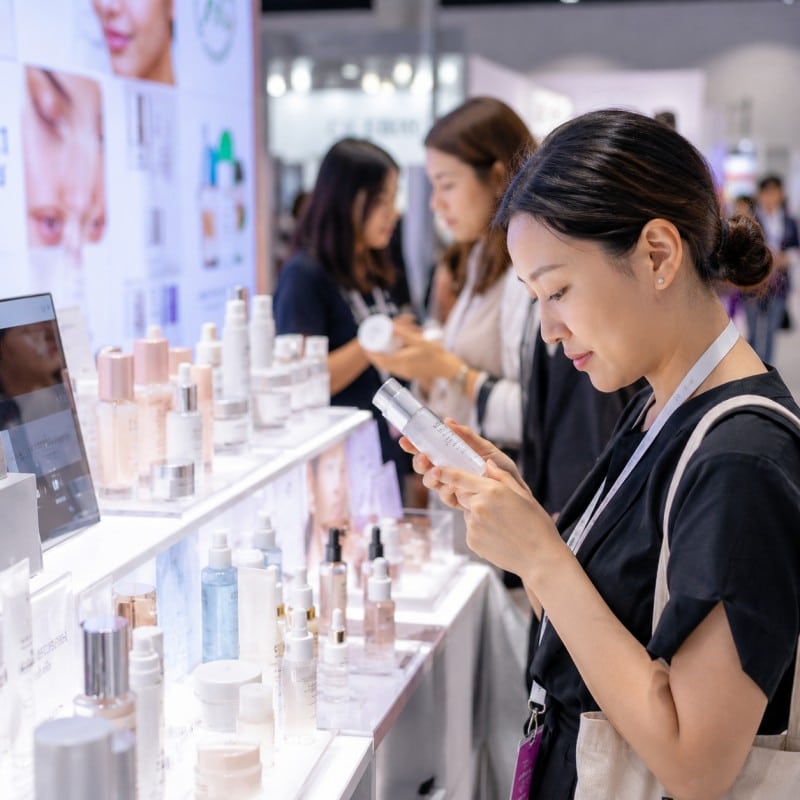
A leading cosmetic ingredients and formulation expo in North America is ⁢about to highlight key beauty movements forecasted to impact⁤ the global industry. the 2026 event, held in New York City on May 19-20, will spotlight trends such as advanced Korean-inspired‌ ingredients, data-driven skin care, growth in post-treatment products, and next-generation sun care that ‌prioritizes...

Digital Product Passports: What They Mean for Cosmetics Right Now

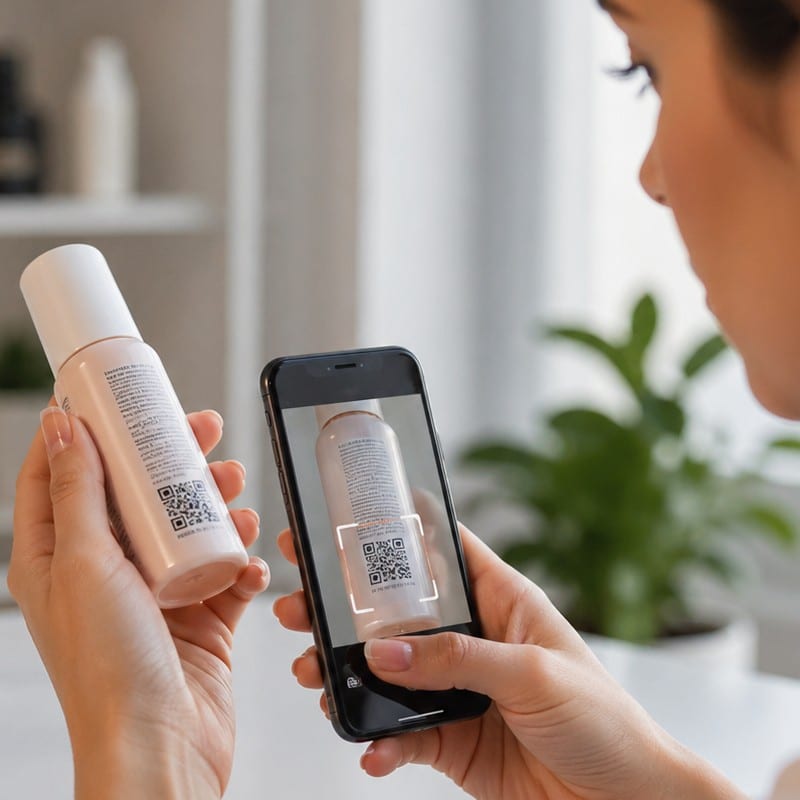
Across Europe, Digital Product Passports ‌(DPPs) are ‌emerging as⁣ a vital ‍tool in supporting clarity, sustainability, and traceability for all types of goods. ⁢This movement, ⁤spurred by the Ecodesign for Sustainable ​Products Regulation (ESPR), aims to⁢ overhaul the way product data ‍is gathered, stored, and accessed. While the cosmetic industry is not the first one...

Spring/Summer 2026 Beauty Trends: Peptides, K-Beauty, and SPF Shape the Season

During​ Spring and Summer 2026, beauty ‌buyers are ⁢driving demand for advanced products ⁢that offer both skincare benefits and instant results.”Skinification” stands out, with more makeup lines incorporating high-level ⁢skincare ingredients into their core‌ formulas. 2025 saw a spike in interest ​for peptides, positioning them among the most sought-after ingredients, right‍ alongside retinal‍ and⁤ niacinamide.Today’s...

The European Union has taken a decisive step in regulating cyclic silicones with the adoption of Commission Regulation (EU) 2024/1328, amending the REACH framework. This update significantly reshapes the future use of D5 (Decamethylcyclopentasiloxane) and D6 (Dodecamethylcyclohexasiloxane) in cosmetic products, marking a transition that both manufacturers and consumers should understand. What are D5 and D6,...

SCCS Final Opinion on Tea Tree Oil

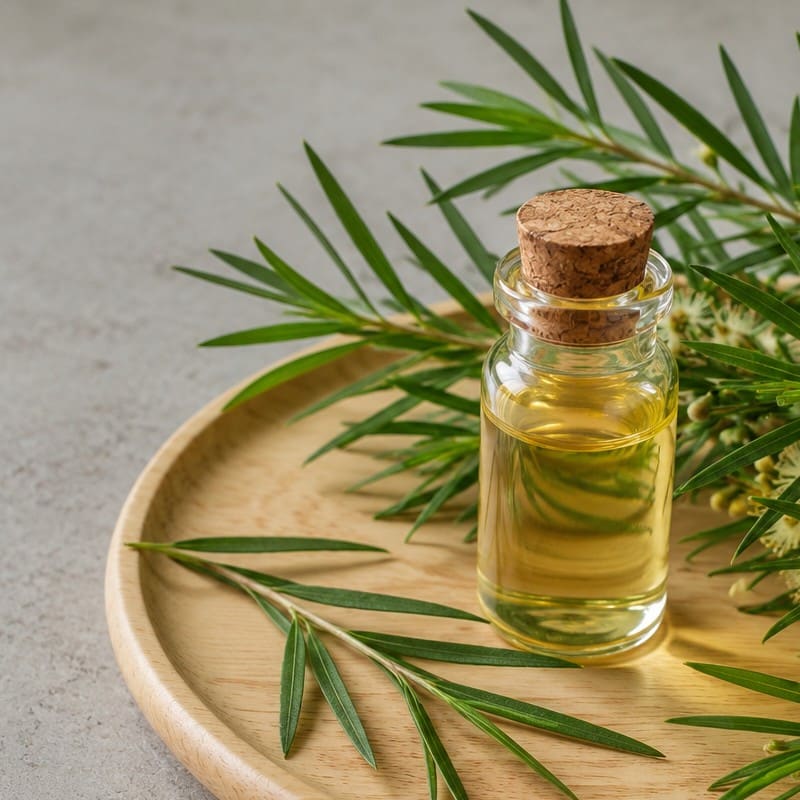
The European Commission’s Scientific Committee on Consumer Safety (SCCS) has published its final opinion on Tea Tree Oil (TTO), one of the most widely used natural antimicrobial ingredients in cosmetics. The document brings long-awaited regulatory clarity for manufacturers, formulators and safety assessors working with essential oils and “natural” cosmetic claims. Tea Tree Oil, listed in...

EU Cosmetics Safety Warnings Surge in 2024

Teh 2024 ⁣Safety⁢ Gate ‍update from the European Commission revealed a sharp increase in warnings about hazardous cosmetic products within the EU. For⁣ the first time, cosmetics represented ‌the leading category⁤ with 36% of all cases flagged.In total,⁣ authorities reported 4,137 safety alerts-setting a new annual record since the system began in 2003. The​ surge‌...