
European cosmetic legislation requires that every cosmetic product placed on the market be safe for human health under normal or reasonably foreseeable conditions of use. To demonstrate this safety, toxicologists must evaluate not only the hazards of ingredients, but also the amount that may actually enter the body through the skin.
The Skin Barrier
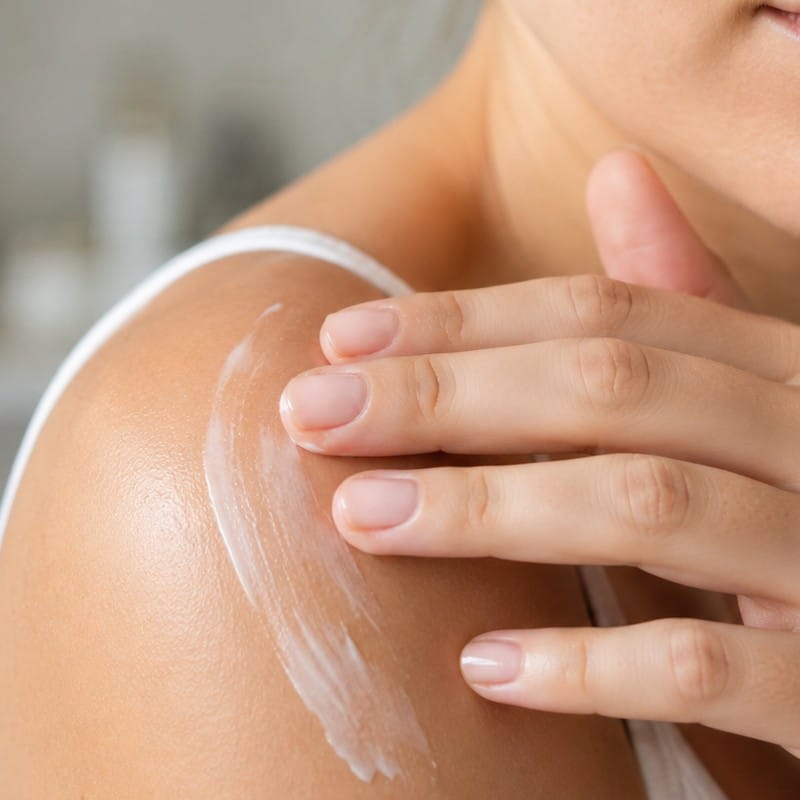
Human skin is designed to protect the body from external substances. The outermost layer, the stratum corneum, acts as the main barrier against penetration.
However, some cosmetic ingredients can partially pass through this barrier depending on several factors:
- molecular size
- lipophilicity and solubility
- concentration in the formula
- duration of contact
- condition of the skin
- product type and formulation system
For example, ingredients in leave-on products generally have greater absorption potential than those in rinse-off products because they remain on the skin longer.
How Dermal Absorption Is Evaluated
Under EU safety assessment requirements, dermal absorption is used to estimate systemic exposure dosage (SED). This calculation helps determine whether the amount of an ingredient absorbed through the skin remains within safe toxicological limits.
The Scientific Committee on Consumer Safety (SCCS) regularly evaluates dermal absorption data when assessing cosmetic ingredients, especially preservatives, UV filters, hair dyes, and substances with potential systemic toxicity.
Dermal absorption can be studied using several methods, including in vitro testing with human or animal skin models and, less commonly, in vivo data.
The SCCS generally prefers scientifically validated methods that reproduce realistic exposure conditions. Factors such as application area, frequency of use, and product category are all considered during the assessment.
Importantly, absorption is rarely “100%” or “0%.” Most substances fall somewhere in between, which is why reliable scientific interpretation is critical.
Formulation Can Influence Absorption
A formulation itself can increase or reduce ingredient penetration. Certain solvents, surfactants, or penetration enhancers may alter skin permeability and therefore modify exposure levels.
This means compliance is not based only on ingredient concentration, but also on how the entire formula behaves on the skin.
For manufacturers, understanding dermal absorption early in development helps avoid reformulation issues and supports a stronger Cosmetic Product Safety Report (CPSR).
