
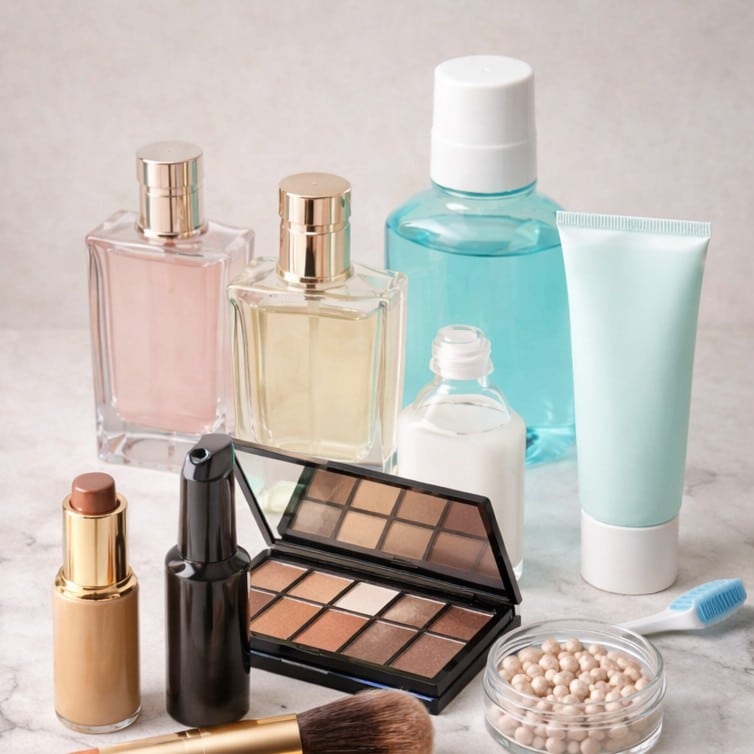

A cosmetic product category refers to a group of products that share a common purpose, area of application, or function. These categories help organize the wide variety of products in the market into structured segments, making it easier for regulators, manufacturers, and consumers to understand their intended use.
Why Product Categories Matter
Categorization is not just a marketing tool—it has practical and legal implications. The category a product belongs to can determine:
- The applicable regulatory requirements
- Safety assessment expectations
- Ingredient restrictions or allowances
- Labeling and claims limitations
For example, a moisturizing cream and a sunscreen may both be applied to the skin, but they fall into different categories with very different regulatory pathways.
Common Cosmetic Product Categories
Although classifications can vary slightly depending on the region, most cosmetic products fall into broadly recognized categories.
Skin Care Products
This category includes products designed to maintain or improve the condition of the skin. Typical examples are moisturizers, cleansers, exfoliants, and serums. Their primary function is care and maintenance.
Hair Care Products
Hair care products are formulated for use on hair and scalp. This includes shampoos, conditioners, styling products, and treatments such as masks or oils. Their purpose ranges from cleansing to conditioning and styling.
Make-Up Products
Make-up, or decorative cosmetics, are intended to enhance or alter appearance. Foundations, lipsticks, mascaras, and eyeshadows all fall into this category. Their defining feature is their aesthetic function.
Fragrances
Products designed primarily to perfume the body—such as perfumes, eaux de toilette, and body mists—are grouped into the fragrance category. Their function is sensory rather than functional in terms of care.
Oral Care Products
Toothpastes and mouthwashes are included here when their primary purpose is cleaning or maintaining oral hygiene without making therapeutic claims.
Borderline and Overlapping Categories
In practice, not all products fit neatly into a single category. Some formulations combine multiple functions, such as a tinted moisturizer or a shampoo with conditioning properties.
More importantly, certain products sit at the boundary between cosmetics and other regulated product types, such as medicines or medical devices. For instance, anti-dandruff shampoos or anti-acne treatments may be classified differently depending on their claims and active ingredients.
This is where understanding product categories becomes critical: the classification depends not only on formulation, but also on how the product is presented and marketed.
How Categories Influence Product Development
When developing a product, defining its category early helps guide key decisions:
- Ingredient selection must comply with category-specific restrictions
- Claims must align with what is permitted for that category
- Testing requirements depend on intended use
A mismatch between formulation, claims, and category can lead to regulatory issues, delays in market entry, or even product recalls.


