
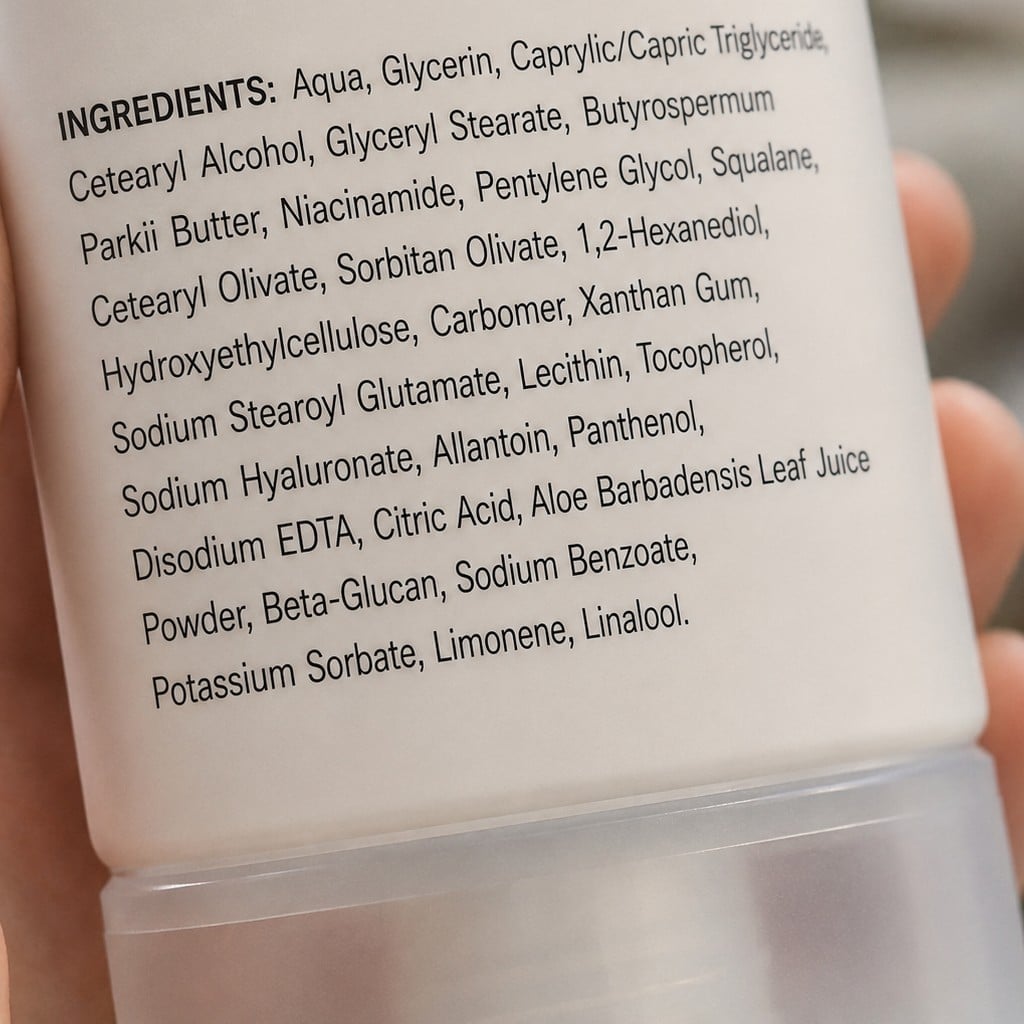
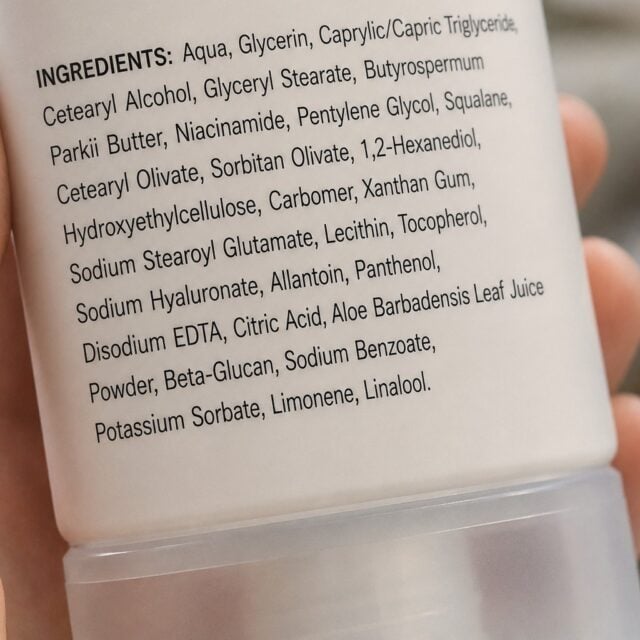
A compliant ingredient list allows consumers to identify substances they may wish to avoid, helps authorities verify regulatory compliance, and facilitates communication throughout the supply chain. Despite appearing straightforward, creating an ingredient list requires a thorough understanding of the requirements established by Regulation and guidance documents published by the European Commission.
The Regulatory Basis
The primary legal framework governing cosmetic products in the European Union is Regulation (EC) No 1223/2009. Article 19 establishes the labelling requirements for cosmetic products, including the obligation to display a list of ingredients on the packaging.
The regulation requires ingredients to be declared using a common nomenclature. In practice, this means using the International Nomenclature of Cosmetic Ingredients (INCI), which provides standardized names recognized throughout the industry.
The ingredient list must be accurate, complete, and consistent with the product’s actual formulation. It is therefore closely linked to formulation development, raw material documentation, and regulatory assessment.
What Counts as an Ingredient?
According to the regulation, an ingredient is any substance or mixture intentionally used in the cosmetic product during the manufacturing process.
Not every substance present in the finished product is considered an ingredient for labelling purposes. Certain materials may be excluded from the ingredient declaration, including:
- Impurities contained within raw materials.
- Technical auxiliary materials used during manufacturing but not present in the final product.
- Solvents or carriers used for fragrance or aromatic compounds when they do not perform a function in the finished cosmetic product.
Understanding these distinctions is important because declaring non-ingredients can create unnecessary complexity, while omitting actual ingredients may result in non-compliance.
Listing Ingredients in the Correct Order
One of the fundamental principles of cosmetic ingredient labelling is the order of declaration.
Ingredients present at concentrations greater than 1% must be listed in descending order of weight at the time they are added to the formulation. This means the ingredient present in the highest amount appears first, followed by the next highest, and so on.
Once the concentration falls below 1%, ingredients may be listed in any order after the ingredients present above that threshold.
This approach provides consumers with a general indication of the composition of the product while allowing some flexibility for lower-concentration ingredients.
Because the ordering is based on formulation data, maintaining accurate manufacturing records is essential for generating a compliant ingredient list.
Botanical Ingredients
Botanical ingredients require particular attention because they often involve complex nomenclature.
INCI names for plant-derived ingredients generally include the botanical genus and species, followed by the relevant plant part and the type of material. Examples may include extracts, oils, waters, juices, or powders.
The exact declaration depends on the nature of the ingredient supplied by the manufacturer and the applicable INCI designation.
Using the correct botanical INCI name is important not only for compliance but also for ensuring transparency and consistency across international markets.
Fragrances and Aromatic Compounds
Fragrance compositions are treated differently from most other cosmetic ingredients.
Rather than declaring every individual component of a perfume composition, manufacturers may use the terms “Parfum” in the ingredient list.
However, certain fragrance allergens must be declared individually when they exceed the concentration thresholds established by cosmetic legislation. These requirements are intended to help consumers who may be sensitive to specific fragrance substances.
Manufacturers should therefore review fragrance supplier documentation carefully and ensure that allergen declarations reflect the final product composition.
Colourants and Their Special Rules
Colourants are subject to specific labelling provisions.
For most cosmetic products, colourants are declared using their Colour Index (CI) numbers. In decorative cosmetics marketed in multiple shades, such as foundations, eyeshadows, or lipsticks, colourants may be listed using the “may contain” approach, provided the regulatory conditions are met.
Because colourants are regulated under dedicated annexes of the Cosmetic Regulation, manufacturers should verify both their authorization status and their correct declaration on the label.
Nanomaterials
The European cosmetic framework contains specific requirements for ingredients that meet the definition of a nanomaterial.
When a nanomaterial is present in a cosmetic product, its ingredient name must be followed by the word “nano” in brackets. For example, an ingredient would be declared using the format:
Ingredient Name (nano)
This requirement helps ensure transparency regarding the presence of engineered nanomaterials and supports informed consumer choice.
Common Compliance Mistakes
Many ingredient list errors originate long before the label is designed. Problems often arise from incomplete raw material information, outdated supplier documentation, formulation changes that are not reflected in packaging artwork, or incorrect translation of trade names into INCI nomenclature.
Another frequent issue is failing to update ingredient declarations after reformulation. Even relatively small composition changes can affect ingredient order, allergen declarations, or the presence of specific regulated substances.
For this reason, ingredient list verification should be an integral part of the product development and change-control process.
Why Ingredient Lists Matter
A compliant ingredient list is not simply a regulatory formality. It is one of the most visible expressions of product transparency and regulatory responsibility.
When prepared correctly, it provides consumers with reliable information, supports market surveillance activities, and demonstrates that the manufacturer has implemented appropriate compliance controls throughout the product lifecycle.
As cosmetic regulations continue to evolve, ingredient list management remains a critical element of formulation compliance. Building the list accurately from the earliest stages of product development helps reduce regulatory risk and contributes to a more transparent and trustworthy cosmetics market.
