
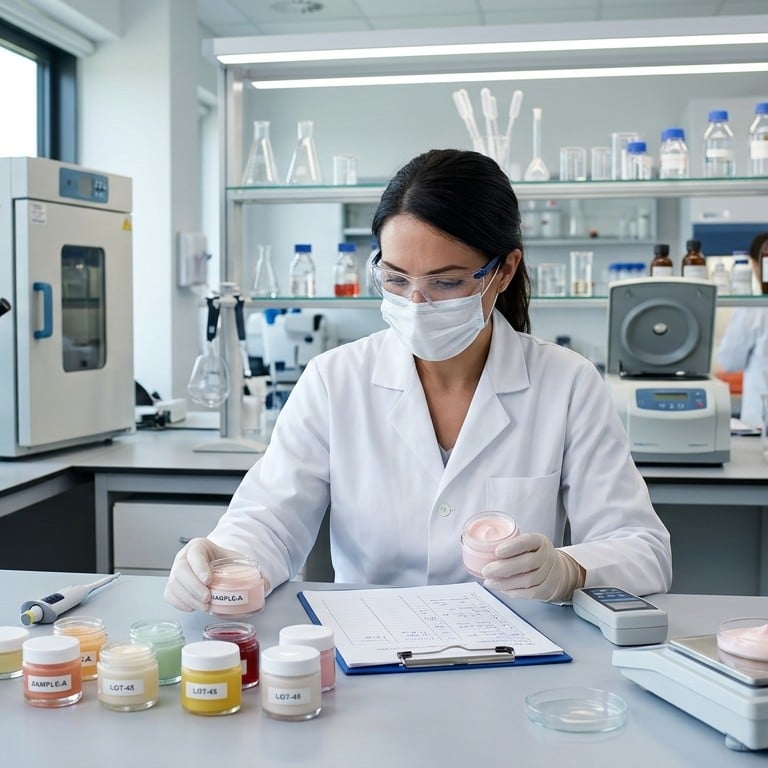

MoCRA represents the most substantial reform of US cosmetic regulation since 1938. Enacted as part of the Consolidated Appropriations Act and enforced by the US Food and Drug Administration (FDA), the law introduces new obligations for cosmetic companies selling products in the US market. While MoCRA does not establish a pre-market approval system, it strengthens FDA oversight and increases expectations around product safety, documentation, adverse event reporting, and manufacturing controls.
Understanding these changes is essential for companies that want to maintain compliance and build consumer trust in an increasingly regulated global market.
What Is MoCRA?
MoCRA expands the FDA’s authority over cosmetic products and introduces several mandatory requirements for companies operating in the US cosmetics industry. The law applies to a broad range of cosmetic products, including skincare, makeup, fragrances, haircare products, and certain personal care items marketed with cosmetic claims.
Among the key provisions introduced by MoCRA are:
- Mandatory facility registration for cosmetic manufacturers and processors
- Product listing requirements
- Serious adverse event reporting obligations
- Mandatory record access for the FDA under certain circumstances
- Good Manufacturing Practice (GMP) regulations
- Safety substantiation requirements
- Mandatory recall authority for the FDA
Although many of these obligations are still being implemented progressively through FDA guidance and future rulemaking, the direction is clear: cosmetic compliance in the US is moving toward a more structured and evidence-based system.
Safety Substantiation: The Core Requirement
One of the most important concepts introduced by MoCRA is “adequate substantiation of safety.”
Under the law, every cosmetic product marketed in the United States must have sufficient evidence demonstrating that it is safe under its intended conditions of use. A cosmetic lacking adequate safety substantiation may be considered adulterated under the FD&C Act.
This does not necessarily mean that companies must perform specific tests prescribed by the FDA. MoCRA does not provide a mandatory checklist of toxicological or clinical studies. Instead, manufacturers are responsible for determining what evidence is appropriate based on the nature of the product, its ingredients, route of exposure, and intended use.
Safety substantiation may include toxicological assessments, ingredient safety data, stability testing, microbiological testing, dermatological testing, published scientific literature and existing historical safety data.
The FDA generally expects that the evidence used is scientifically robust and supported by qualified experts.
This flexible approach differs from highly prescriptive regulatory systems but also places greater responsibility on companies to justify their decisions.
Does MoCRA Require Animal Testing?
A common misconception is that MoCRA mandates animal testing for cosmetics. It does not.
The legislation does not require manufacturers to conduct animal tests, nor does it prohibit them. Instead, companies may use “scientifically reliable methods” to substantiate safety.
This wording is important because it allows alternative testing approaches.
The cosmetic industry has increasingly moved toward non-animal methodologies, particularly due to international market pressures and consumer expectations. Companies selling globally often align their safety assessment strategies with regions such as the European Union, where animal testing bans apply to cosmetic products and ingredients.
Microbiological and Stability Testing Are Becoming More Important
Although MoCRA does not explicitly mandate specific laboratory tests, certain categories of testing are becoming increasingly critical from a compliance perspective.
Microbiological Testing
Products containing water or those susceptible to contamination are expected to demonstrate microbiological safety. This commonly involves:
- Preservative efficacy testing (challenge testing)
- Microbial limits testing
- Environmental monitoring in manufacturing areas
Poor microbiological control can lead not only to product instability but also to consumer health risks and regulatory action.
Stability Testing
Stability studies help demonstrate that a product maintains its quality, safety, and functionality throughout its intended shelf life.
Typical stability evaluations examine physical appearance, odor and color changes, pH variation, viscosity, packaging compatibility and preservative performance over time
Under MoCRA, stability data becomes especially valuable because it supports the broader requirement for safety substantiation and quality assurance.
Adverse Event Reporting Changes the Risk Landscape
Before MoCRA, cosmetic adverse event reporting in the US was largely voluntary. The new law changes that significantly.
Responsible persons — generally the manufacturer, packer, or distributor whose name appears on the label — must now report serious adverse events to the FDA within 15 business days.
Serious adverse events may include hospitalization, significant infection, persistent disability, life-threatening reactions and death.
Companies must also maintain records of adverse events for several years and provide supporting information when requested by the FDA.
This requirement creates a stronger need for traceability, complaint handling systems, and post-market surveillance processes. In practice, safety testing no longer ends when the product launches. Continuous monitoring becomes part of regulatory compliance.
GMP Compliance and Testing Documentation
MoCRA also requires the FDA to establish mandatory Good Manufacturing Practice regulations for cosmetics. While detailed GMP rules are still evolving, the industry is expected to follow principles similar to internationally recognized standards such as ISO 22716.
Testing documentation will likely become increasingly important within GMP systems because regulators may evaluate whether companies can demonstrate consistent product quality and safety.
Manufacturers should therefore maintain organized records for:
- Raw material specifications
- Certificates of analysis
- Test reports
- Batch records
- Stability protocols
- Safety assessments
- Complaint investigations
How MoCRA Compares with the European Union
Companies already familiar with EU cosmetic regulations may notice both similarities and major differences.
The European Union Cosmetics Regulation (EC) No 1223/2009 requires a formal Cosmetic Product Safety Report (CPSR), detailed product information files, and stricter ingredient restrictions before market placement.
The US system under MoCRA remains comparatively more flexible and less centralized. However, the gap between both regulatory systems is narrowing.
For global brands, harmonizing documentation across jurisdictions is becoming increasingly advantageous.
What Cosmetic Brands Should Do Now
MoCRA should not be viewed simply as a legal update. It represents a broader shift in regulatory expectations for the US cosmetic industry.
Manufacturers and brand owners should evaluate whether they have:
- Robust safety substantiation files
- Reliable testing strategies
- Adverse event reporting procedures
- Traceable manufacturing documentation
- Supplier qualification systems
- Updated labeling compliance processes
Smaller brands, especially independent or digitally native companies, may face new operational challenges because informal compliance practices are no longer sufficient in a more regulated environment.
At the same time, stronger compliance systems can create competitive advantages. Consumers increasingly expect transparency, scientific credibility, and product safety assurance.
