
Across Europe, Digital Product Passports (DPPs) are emerging as a vital tool in supporting clarity, sustainability, and traceability for all types of goods. This movement, spurred by the Ecodesign for Sustainable Products Regulation (ESPR), aims to overhaul the way product data is gathered, stored, and accessed. While the cosmetic industry is not the first one affected, understanding how these changes coudl influence cosmetics is crucial for businesses seeking to stay ahead.
Greater Openness for Consumers and Industry

But unlike existing files stored by manufacturers for regulators, DPPs are designed to standardize this data and make it far more accessible. Distributors, consumers, and recyclers will be able to obtain relevant information efficiently, creating a more open marketplace.
Current Legal Status of Digital product Passports
Many in the sector ask if DPPs are already legally required. For now, the answer is no.
Although the ESPR has been in affect since July 2024, it acts as a foundational statute. It sets up the framework for future updates but does not yet impose new requirements on every product type. Only after the European Commission adopts specific rules for each sector will DPPs become a binding obligation.
Cosmetic companies currently have no legal mandate to implement Digital Product Passports, as sector-specific measures have not been set out at this time.
Timeline for Cosmetics Sector Inclusion
Sector adoption of DPPs will be phased in gradually. The european Commission has prioritized product groups such as electrical equipment, clothing, and batteries due to their pronounced environmental impact.
the first mandatory Digital Product Passports are expected to enter force in or around 2027, depending on regulatory timelines for drafting and approval. When rules are final, companies will have a transition period-often about 18 months-to comply.
Cosmetics are not included in the first rollout.Still, the European Commission intends to broaden DPP coverage in the future. The cosmetics industry could see new obligations arise later in the decade as part of subsequent phases.
Manufacturers should recognize that the regulatory trend points towards digital,widely-accessible product data becoming an industry norm,preparing now rather than reacting later.
Why the Cosmetics Sector Is Preparing Now
The cosmetics sector is watching these policy moves closely. Already among the most regulated industries, brands must meet growing demands for ingredient transparency, credible sustainability claims, and full regulatory compliance-DPPs touch on each of these points.
For producers, Digital Product Passports are both a hurdle and a route to business advantage. Adopting them will push firms to build better data systems but may also help demonstrate regulatory compliance, build trust, and meet market demand for open product histories.
What Could Go into a Digital Passport for Cosmetics?
For beauty and personal care products, a DPP could pull together data that exists in various places. Typical examples include details on where raw materials come from, environmental certifications, the makeup of packaging, and advice on disposal or recycling.
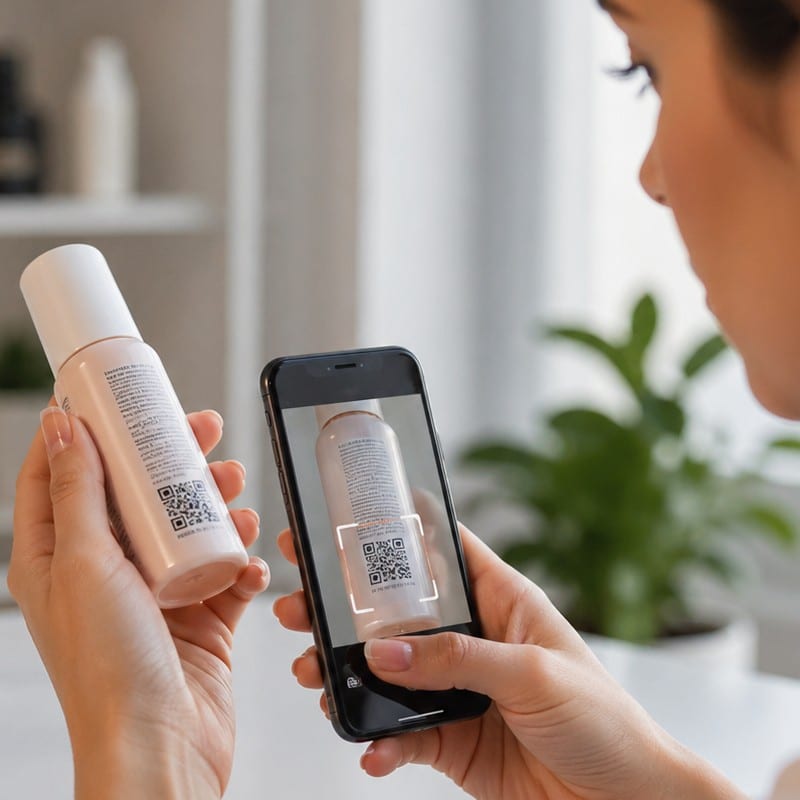
DPPs could also work together with legal labeling, delivering extra digital resources through QR codes or similar technologies. Shoppers could then view details about formulation, responsible sourcing, or precise recycling directions, all standardized and easy to access.
Harmonizing the rules Across Europe
Widespread adoption will depend on the creation of unified data standards across the European Union. New digital records must be compatible with IT systems in every member state and work seamlessly across different product categories.
The Digital Product Passport is expected to layer onto current laws, not to replace them. it may improve how compliance information is handled, help authorities with market supervision, and support businesses in auditing or reporting.
Getting Ahead: Steps Companies Are Taking
Despite not being required yet, many forward-thinking cosmetic brands are already upgrading their digital infrastructure, tracing supply chains in greater detail, and improving how they manage data internally.
Digital transparency is becoming part of consumer expectations, not just a regulatory trend. Shoppers want clear and trustworthy information about personal care products, making proactive investment in these systems a wise choice for any brand.
