
Authorities Ramp Up Actions Against Illegal Online Cosmetics
Increased regulatory scrutiny is now targeting digital sales of illegal cosmetics in Indonesia and Jordan. Regulatory bodies in both countries are intensifying their measures, focusing on the growing role of online platforms in distributing unregulated beauty products. Indonesia has developed advanced digital surveillance techniques, while Jordan has disrupted a sizable network of counterfeit cosmetics. These moves underscore broadening worries about unapproved cosmetics circulating across e-commerce channels.
Stronger Oversight for Online beauty Product Sales
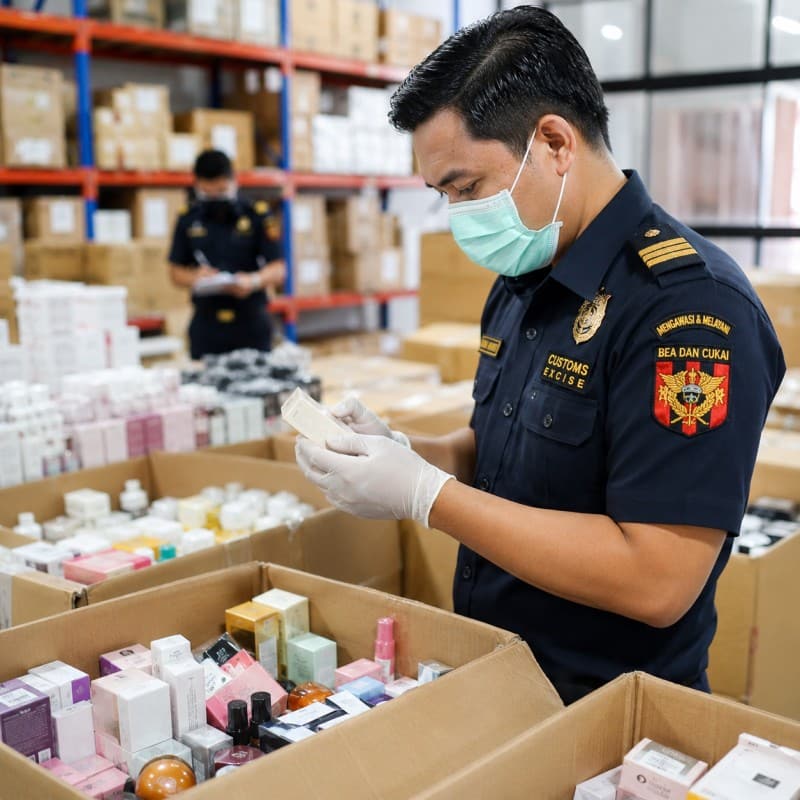
Indonesia’s National Agency of Food and Drug Control (BPOM) is boosting its digital surveillance to pinpoint those marketing illegal cosmetic products online. Authorities report that e-commerce now serves as the leading route for distributing cosmetics failing to meet safety and labeling laws.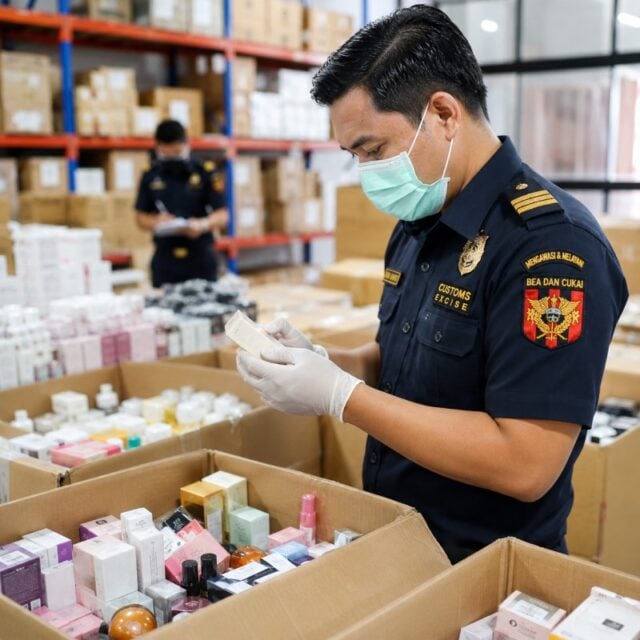
In Jordan, recent raids led to the confiscation of nearly five metric tonnes of fake cosmetics-disrupting roughly 70% of the nation’s supply of illegal products on the internet, based on regulator estimates.Over recent years,e-commerce businesses have rapidly widened their offerings. Consumer preferences have shifted, with most shoppers now discovering and buying cosmetics online. this trend has heightened scrutiny on weather online product listings are genuine and safe.
Counterfeit cosmetics threaten the reputation of legitimate brands and can damage consumer trust. Shoppers face possible health dangers from untested or non-compliant beauty items that are not subject to required regulatory checks.
Indonesia Enhances Digital Surveillance
According to BPOM chairperson Taruna Ikrar, oversight for cosmetic safety is moving away from regular field audits. The agency is rolling out stronger intelligence gathering and cybersecurity tactics to address online violations more efficiently.
Enforcement now faces greater challenges as digital sales of illegal cosmetics have outpaced physical store incidents. Online vendors can shift tactics quickly-changing store names, URLs, or product descriptions to stay active.Personal Care Insights reported that Michael Bender, international coordinator with the ZMWG, noted repeat offenders use deliberate misspellings, change product names, or alter listings after regulators flag them. This cycle frustrates enforcement and allows the trade to persist.
BPOM is now relying on a strategy built on three pillars: raising public awareness about safe cosmetics, targeting businesses engaged in the online sale of banned products, and deploying enhanced digital monitoring systems.
Regulators have already removed several non-compliant products from sale.Official figures on the number of targeted brands or sellers remain undisclosed.
BPOM urges consumers to remain vigilant when browsing for cosmetics online. Buyers should avoid any item lacking proper distribution approval or those with unusually low prices and untested claims.
Jordan Disrupts Illicit Cosmetic Distribution
In a large enforcement effort, the Jordan Food and Drug Administration (JFDA) worked with national security to strike what it identified as the main supply chain funneling counterfeit and unauthorized cosmetics online. Authorities discovered that seized items included replicas of well-known global brands.
Investigators traced the distribution network by analyzing shipping records, scanning social media storefronts, and checking delivery fleet itineraries. This led them to three linked retail outlets and their associated storage facilities, which where then searched and closed.
According to the JFDA, those behind the illegal trade purchased massive stocks of imitation cosmetics at bargain prices and redistributed them online. By disrupting these sources, officials say they have dismantled most of the fake cosmetics pipeline in the country’s digital markets-accounting for a major reduction in circulating counterfeits.
The seized products are marked for destruction. Three commercial outlets were closed, their operators referred for prosecution, and authorities are continuing investigations to eliminate leftover sources permanently.
