
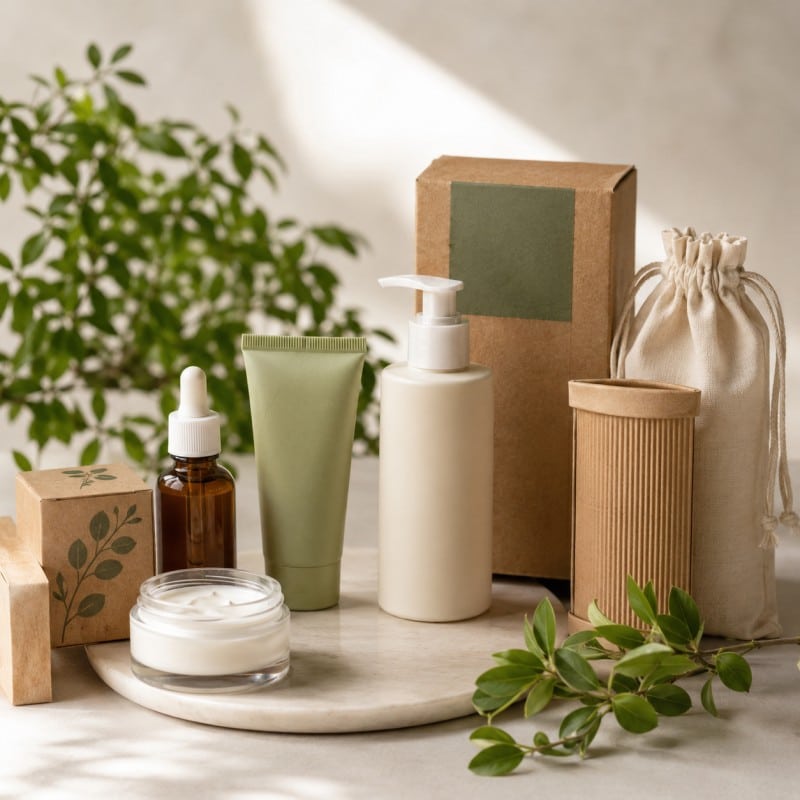
Cosmetic packaging across Europe and the UK is experiencing a major shift. Stringent laws now require beauty companies to rethink their approach, blending visual design with responsible choices that cut down on waste. Both affordable and luxury brands now find that packaging must deliver on looks and sustainability in equal measure.
Beyond Shelf Appeal: The Shift in Packaging Priorities
Traditionally, packaging aimed to draw attention on the shelf and reinforce a brand’s visual message.While style and recognizability still matter, brands today must factor in more than image when developing their packaging.
Designers and manufacturers now evaluate material efficiency, recyclability, and environmental performance starting with the earliest design drafts. Decisions about finishes and structure now depend as much on regulatory rules as on marketing goals.
industry professionals agree that enduring choices are now the basic expectation for every new launch. Rather than searching for clever eco-friendly gimmicks, most brands simplify materials and prioritise packaging that is widely recyclable.
Reusable Models Take center Stage
The popularity of refillable and reusable containers keeps rising in the beauty industry. These packaging formats help minimise single-use plastics and encourage consumers to see products as long-term investments rather than disposable items.
Companies adopting refillable options frequently enough notice stronger customer loyalty.People return for refills rather than buying a new package, leading to steadier relationships and supporting sustainability goals simultaneously occurring.
Many of these systems now include digital elements like QR codes and RFID tracking. These technologies support closed-loop programs by monitoring packaging during its entire lifecycle,delivering manufacturers accurate data about return rates and reuse behaviour.
Eco-Driven Packaging Developments
Environmental rules now motivate brands to experiment with smarter packaging concepts. These updates go beyond compliance-they can spark creative ideas and fresh designs.
Packaging growth now aims to use less material, avoid needless layers, and make recycling easier. Tech tools collect feedback and performance data,helping future designs to become even more practical and resource-friendly.
This approach not only limits impact on the environment but also helps manufacturers reach commercial aims without compromising product safety or consumer appeal.
Stricter Rules Reshape Design Choices
Cosmetic packaging now needs to meet detailed requirements set by several legislative acts.
In the EU, the Packaging and Packaging Waste Regulation (PPWR) sets high standards for waste reduction and recycling. In the UK, packaging Extended Producer Obligation (pEPR) holds companies legally responsible for the afterlife of their packaging, sparking changes even before products reach store shelves.
As an inevitable result, brands must think about compliance and resource use from the beginning, not treat sustainability as quick-fix task before launch.
Premium Packaging: Balancing Prestige with Progress
Upmarket cosmetic products often feature elaborate cases, heavy glass, and intricate layers to communicate exclusivity. Achieving that conventional luxury look with eco-forward materials or simpler designs adds challenges that mass market brands do not face as acutely.
While some prestige brands absorb higher regulatory expenses to preserve their signature packaging, others experiment with lighter components and recyclable elements to uphold both sustainability and luxury standards.
Striking a balance between a high-end look and environmental progress is now central to luxury product development in the beauty sector.
Accountability and Transparency on the Rise
The meaning of well-designed packaging now combines aesthetics with real action. Brands must show that their packaging choices respect material efficiency and meet tough new legal benchmarks. Transparent reporting on packaging circularity is increasingly a selling point.
With growing expectations set by both lawmakers and consumers, the cosmetic industry must now consider appearances, material use, and legal standing as equal parts of prosperous design. The future of packaging in beauty demands joining visual impact with sustainability and practical submission,setting a standard for brands across all segments.
