
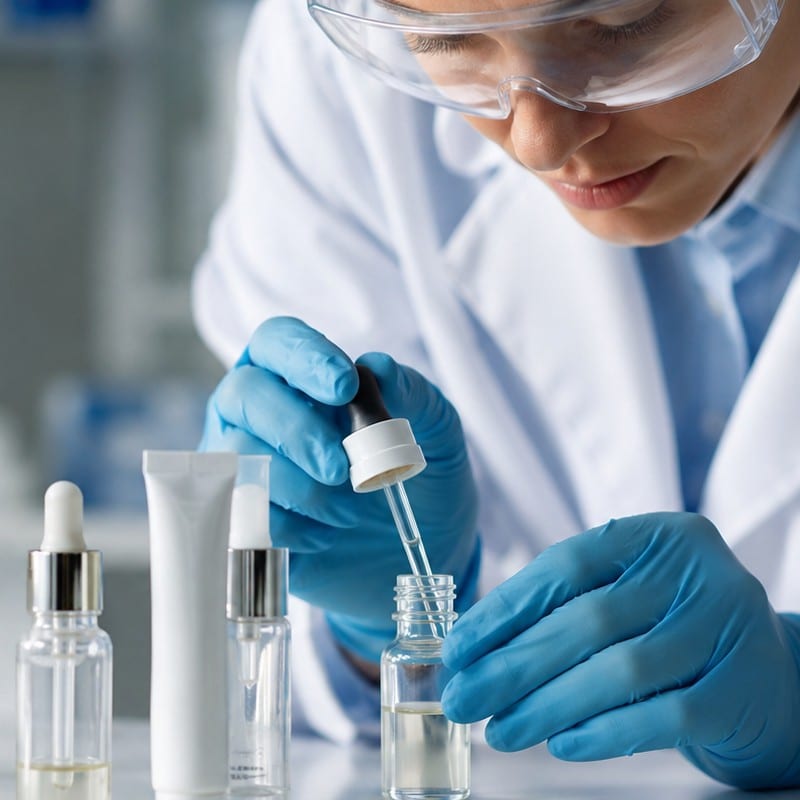
For cosmetic manufacturers, formulators and regulatory professionals, this opinion is particularly relevant because it may lead to future amendments to the EU Cosmetics Regulation and the removal or restriction of these ingredients from Annex V, the list of permitted preservatives.
What is Thiomersal?
Thiomersal is an organomercury compound historically used as a preservative due to its antimicrobial properties. It has been used in some cosmetic eye products, especially where protection against microbial contamination is critical.
Phenylmercuric salts are another group of mercury-containing preservatives with similar functions. Although the use of mercury compounds in cosmetics is generally prohibited in the EU, certain exceptions have remained authorised under strict concentration limits for specific applications, particularly eye-area products.
Why Did the SCCS Reassess These Ingredients?
The SCCS was asked to review the safety of these substances in light of updated scientific knowledge and concerns linked to mercury exposure.
The Committee focused on two key questions:
- Whether thiomersal and phenylmercuric salts remain safe under the current permitted conditions of use.
- Whether there is a potential risk to human health from their continued use in cosmetic eye products.
This reassessment reflects a broader regulatory trend in the cosmetics sector: ingredients previously considered acceptable are being re-evaluated as toxicological methods improve and cumulative exposure data become more robust.
Main Conclusions of the SCCS Opinion
According to the SCCS, the available evidence raises significant concerns regarding both renal toxicity and possible genotoxicity.
The Committee concluded that the Margin of Safety (MoS) for these substances is below the acceptable threshold of 100 when considering renal toxicity as the critical endpoint. In addition, the SCCS noted that the evidence related to genotoxicity remains unresolved.
As a result, the SCCS stated that thiomersal and phenylmercuric salts are “not considered safe” at the concentrations currently permitted in cosmetic products, particularly in eye-area applications.
Another important aspect highlighted in the opinion is cumulative exposure. Consumers may already be exposed to mercury compounds from multiple non-cosmetic sources, meaning that cosmetic exposure adds to an overall toxicological burden.
What Does This Mean for Cosmetic Manufacturers?
At this stage, the SCCS opinion is scientific advice rather than a direct legal ban. However, SCCS conclusions frequently serve as the basis for future regulatory amendments under the EU Cosmetics Regulation.
Manufacturers using these preservatives should therefore anticipate possible regulatory action in the near future. This could include:
- Reduced concentration limits
- Restrictions limited to specific product categories
- Complete removal from Annex V of Regulation (EC) No 1223/2009
Companies should start evaluating reformulation strategies and reviewing raw material portfolios, especially for eye-area products where these preservatives may still be present.
From a regulatory compliance perspective, this is also a reminder of the importance of continuously monitoring SCCS opinions and scientific developments. Ingredients that are legally permitted today may become restricted tomorrow if new toxicological evidence emerges.
