
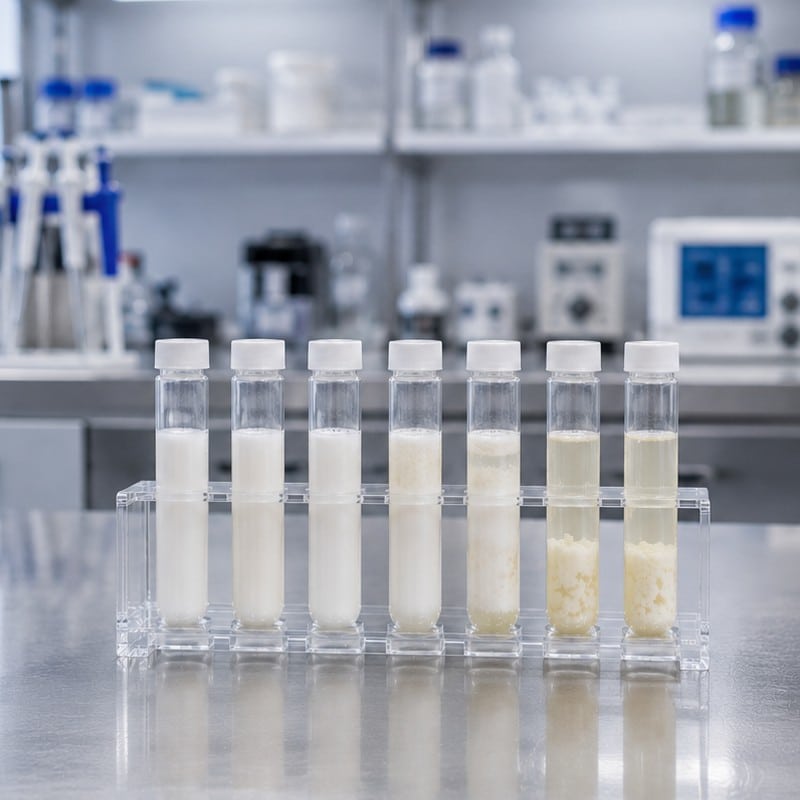
An important concept linked to shelf life is the Period After Opening (PAO), which indicates how long a product remains safe once opened. In the European Union, products with a durability of less than 30 months must display an expiration date, while products lasting longer generally use the PAO symbol instead. This is especially relevant for products frequently exposed to air or contamination during use, such as creams or mascaras.
Different Regions, Different Regulatory Approaches
Although the scientific basis of shelf-life testing is globally similar, regulatory expectations vary between markets.
The European Union follows a highly documentation-driven approach under Regulation (EC) No 1223/2009. Manufacturers must support shelf-life claims with scientific evidence included in the Product Information File (PIF), combining stability studies, microbiological evaluation, packaging compatibility data, and risk assessment. Rather than imposing fixed protocols, the EU focuses on scientific justification and traceability.
In the United States, the U.S. Food and Drug Administration applies fewer explicit requirements for cosmetic expiration dates, except for certain OTC products such as sunscreens. However, companies remain fully responsible for ensuring products are not adulterated or misleading during their marketed lifespan. Companies commonly rely on accelerated stability studies, preservative efficacy testing, and packaging evaluations to substantiate internal expiration periods and commercial claims.
Asian markets often apply more technical scrutiny, particularly for imported cosmetics. In China, authorities may require detailed shelf-life and stability documentation during registration procedures. Meanwhile, ASEAN countries, Japan, and South Korea place strong emphasis on product consistency and performance under challenging climate conditions such as high humidity and temperature.
A Key Part of Global Compliance
Today, shelf-life assessment is no longer just a labeling exercise. It has become a multidisciplinary process involving formulation science, microbiology, packaging engineering, and regulatory strategy. For cosmetic brands operating internationally, understanding regional shelf-life expectations is essential to ensure compliance, maintain product quality, and build long-term consumer trust.


