CERTIFIED COSMETICSLatest news

Here we bring the latest news of anything new in the cosmetic market.
bt_bb_section_bottom_section_coverage_image
March 2026: Key Changes in Global Cosmetic Regulations

This ‌overview presents the most influential regulatory changes introduced in March 2026 and ​highlights critically important developments from late February which set the current direction for the global ​regulatory habitat. The article offers a precise and actionable guide to recent changes shaping the international cosmetics sector. This update helps businesses track⁤ newly⁤ enacted rules for...

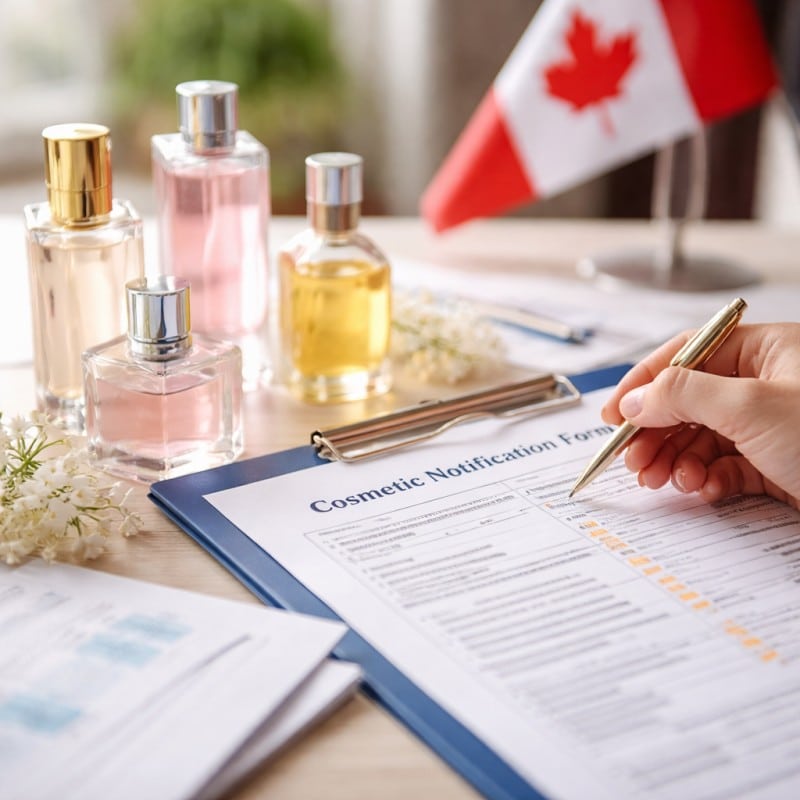
Canada Tightens Rules on Fragrance Allergens in Cosmetics

Health Canada has revised its guidance surrounding fragrance allergen reporting in⁤ cosmetics, introducing nuanced changes. Most⁣ companies will now find that ⁤reporting exact allergen concentrations is no longer mandatory in many cases. Fragrance allergens must still be‍ listed in‌ the‌ Cosmetic Notification Form, tho⁣ brands can now omit detailed concentration figures.​ These⁣ adjustments, prompted by...

UK to Reconsider Talc Safety Rules for Cosmetics

In January 2026, ⁣the Health and⁤ Safety Executive (HSE) published its evaluation on the use of ⁢talc in cosmetic items. This technical document reviews proposals for classifying talc under the ⁢GB Classification, Labelling and Packaging ‌(CLP) Regulation. Officials stated that current evidence ​does not justify ⁣classifying​ talc as a carcinogen. The assessment ⁣focuses solely on...

Clean Beauty: How Today’s Standards Are Changing Cosmetic Safety

The ⁤beauty ⁣industry is evolving as consumers ⁣look for more than just “clean” ingredients. According to Personal Care Insights, the cosmetics market moves quickly, and brands are moving past basic clean ingredient lists, aiming to satisfy buyers who demand precise performance and multifaceted benefits. Hybrid products ⁢that combine makeup,⁢ skincare, and science are growing popular....

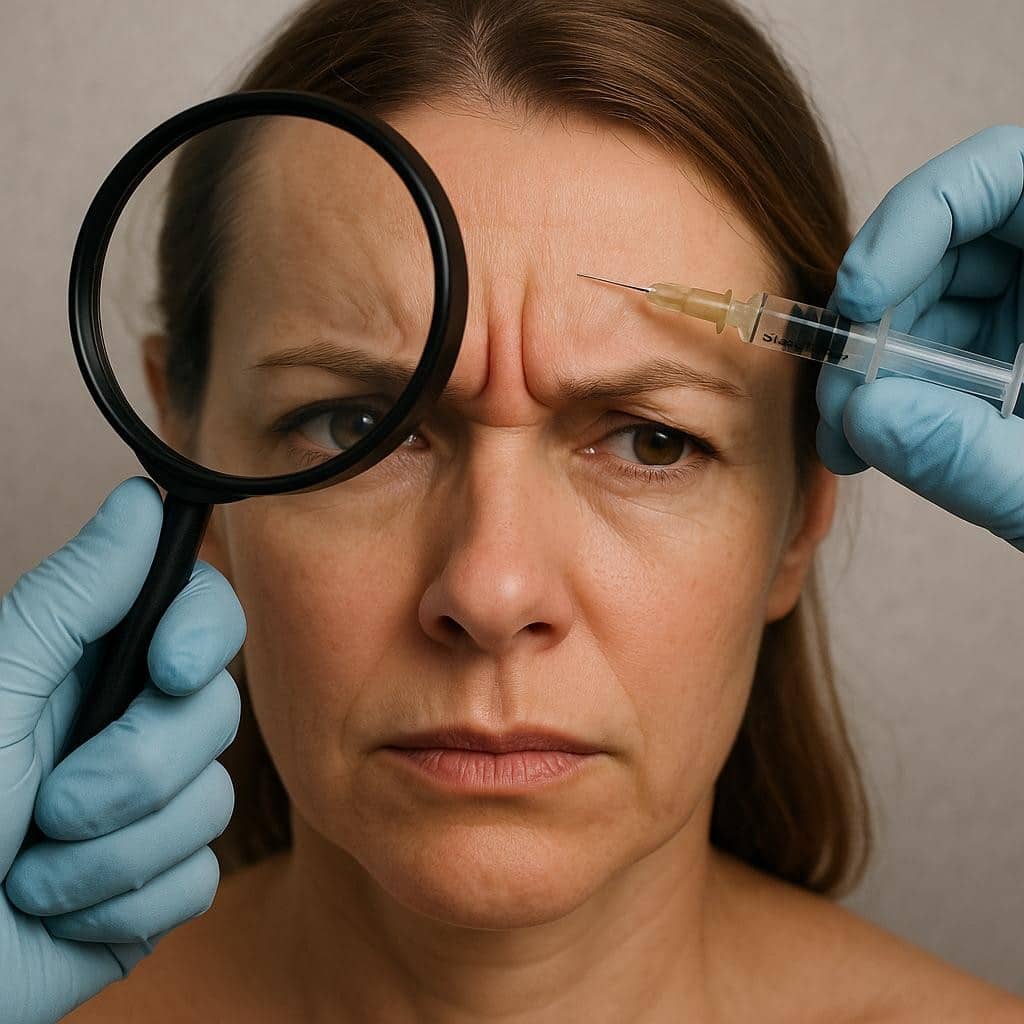
Are Human-Derived Ingredients Safe for Frown Line Treatments?

In ‍recent ⁤months, ⁢the spotlight has shifted to the origin of ‌ingredients used in frown line treatments and cosmetic fillers, especially those containing ⁤substances derived ⁤from humans. Regulatory frameworks exist, yet Revance-an industry leader-has highlighted a major oversight: the regulatory and public knowledge gaps surrounding ‍human-sourced ‌components. As an inevitable result, some manufacturers promote their...