
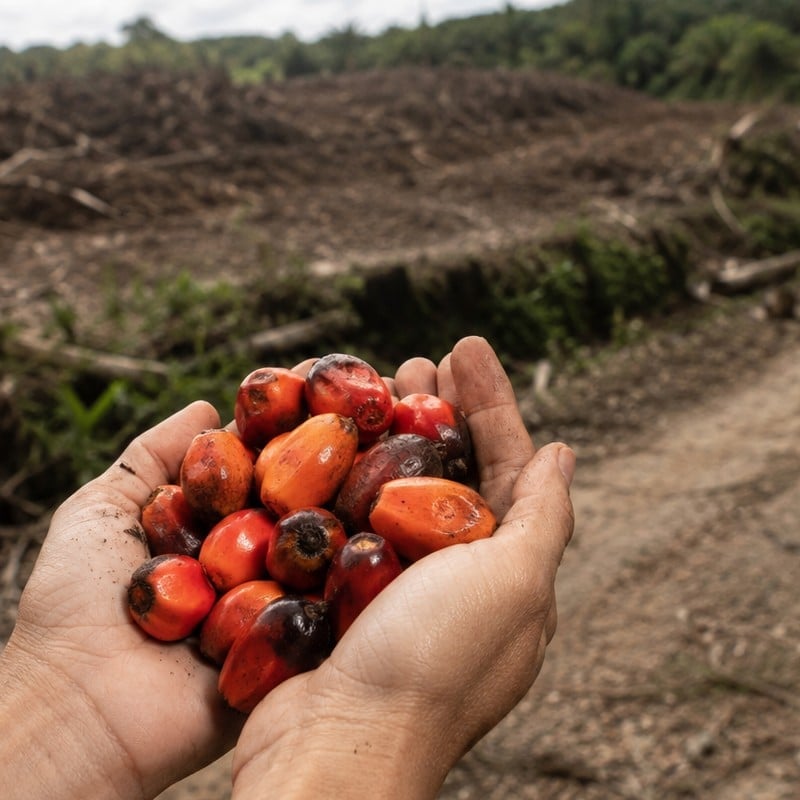
The EUDR entered into force in 2023. It requires companies placing commodities such as cocoa, coffee, palm oil, soy, beef, timber, and rubber on the EU market to show that their supply chains are deforestation-free and that production complies with the laws of the country of origin.
The review comes after concerns expressed by industry stakeholders, third-country trading partners, and competent authorities. These concerns focused on the complexity of due diligence obligations and whether IT systems are ready for full implementation. The Commission has concentrated its efforts on simplifying due diligence statements, providing clearer traceability requirements, and improving guidance on how geolocation data should be submitted.
Areas Under Review
Several measures are being examined as part of the simplification process. These include reducing duplication in reporting requirements, introducing extra flexibility for small and micro operators, and improving interoperability between national customs systems and the EU information system.
The Commission is also looking at refining country risk classification benchmarks. The intention is to make sure that high-risk areas receive attention that is proportionate to the risk involved, while low-risk supply chains are not subjected to unnecessary burdens.
Environmental Requirements
Reducing complexity is a key objective of the review, but the Commission has repeated that environmental integrity is not open to negotiation. The central requirement of the regulation remains unchanged. Products covered by the EUDR must not be linked to deforestation that occurred after December 2020.
Enforcement measures will remain in place as well. Penalties and product seizures will continue to apply where required. The Commission expects the review to be followed by updates to implementing guidance and possibly delegated acts.
Stakeholders have been invited to submit feedback before the final adjustments are adopted. The Commission has described the next stage as a “smooth but robust” transition period ahead of full enforcement.
What Does This Mean for the Cosmetics Industry?
Although the EUDR is not a cosmetics-specific regulation, it is highly relevant for many cosmetic supply chains. A number of the commodities covered by the regulation, including palm oil, cocoa, coffee, soy, rubber and wood, are used directly or indirectly in cosmetic products and packaging. Palm oil derivatives, in particular, are commonly found in emulsifiers, surfactants and emollients used across a wide range of personal care products.
The regulation requires companies placing relevant commodities and certain derived products on the EU market to demonstrate that they are deforestation-free, legally produced and traceable to their origin. This includes collecting supply chain information, assessing risks and submitting due diligence statements through the EU system.
For cosmetic manufacturers, the main challenge is likely to be supply chain transparency. Companies sourcing ingredients derived from palm oil, cocoa, coffee or soy may need closer collaboration with suppliers to obtain traceability data and verify compliance with EUDR requirements. Geolocation information and proof that raw materials are not linked to deforestation after 31 December 2020 are becoming increasingly important.
The impact will vary depending on the ingredients used and whether the materials or products fall within the scope of the regulation. Nevertheless, the direction is clear: sustainability claims will increasingly need to be supported by documented supply chain evidence, and companies should review sourcing practices well before enforcement requirements apply.
