
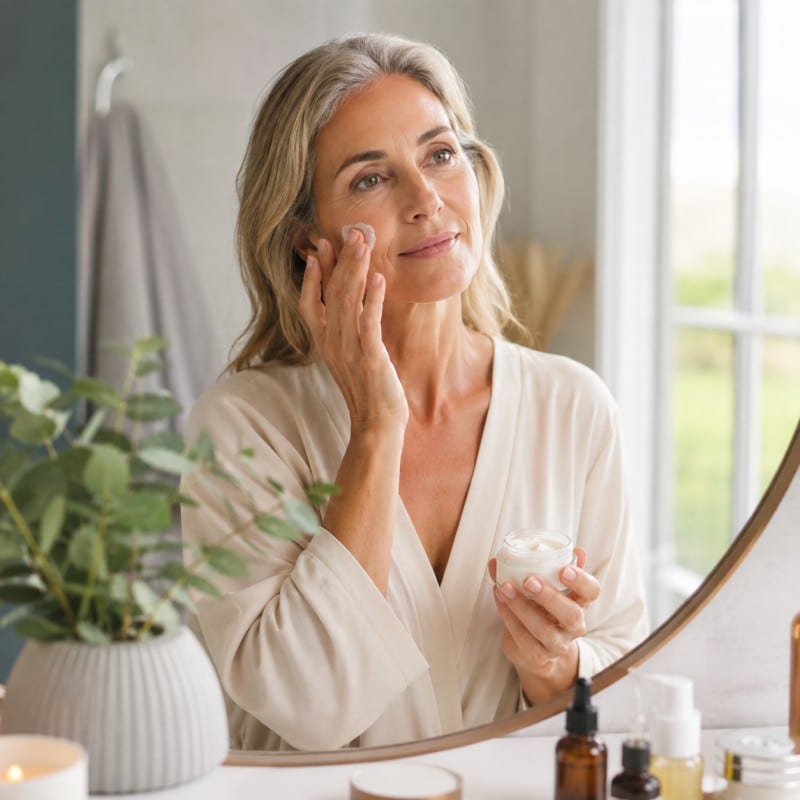
Women’s health and personal care are shifting from swift cosmetic solutions to a focus on sustained wellness and longevity. Today, more women seek products that align with their unique physiological changes over time, prioritizing evidence-based choices. Menopause has entered the spotlight, with increasing interest in hormone-free and microbiome-focused options for support. Yet, progress in scientific research for women’s health trails behind, making strong clinical data essential for credible product growth.
Personalized Approaches Define Modern Women’s Wellness
Women’s wellness is now about targeted care that considers each stage of life and the specific needs that come with it. Shoppers want products that deliver more than surface beauty-they expect complete support for their physical and mental health. This matches a broader trend in health: the shift from reactive fixes to proactive prevention.
Market analysts at innova Market Insights named “Tailored Touchpoints” the leading personal care trend for 2026, followed by “New-Age Longevity” and “Crunch Over Fluff.” Thes reflect a move toward customizable, science-guided solutions.
Industry discussions with companies like Bioiberica and AB-Biotics highlight that menopause is a growing priority. The sector recognizes that limited research funding has made it challenging to prove product claims, but demand for research-backed care-especially for menopause-continues to increase.AB-Biotics co-founder Miquel Bonachera notes that for years, most products aimed to reduce signs of aging like wrinkles.the conversation has now broadened to include long-term wellness and balance,connecting how women feel inside with how they look.
He underscores that healthy longevity has replaced the focus on fast cosmetic results, putting lasting strength and wellness at the forefront.
The Forces Fueling Women’s Wellness Innovation
Recent data shows 79% of women view preventive healthcare as a high priority, and 69% prefer products specifically made for female physiology, according to Monica Gomez Navarro, marketing manager for branded Ingredients at Bioiberica.
Awareness has grown about how estrogen decline affects the body beyond fertility. Skin health is a central concern, notably for those heading into menopause.
Estrogen supports skin structure through collagen management. As hormone levels drop, skin frequently enough becomes less firm,more prone to dryness,and loses brightness. Today, more women understand these connections and look for products that tackle multiple skin concerns with evidence-based solutions for healthy aging.
Menopause: From Taboo to Center Stage
Menopause now drives innovation in women’s wellness. Once rarely discussed outside clinical settings, it has become a central theme in personal care strategy.
Bonachera describes menopause as an overlooked period in life sciences that finally receives its due attention. Demand spikes for natural, non-hormonal solutions to menopause symptoms.Product development for women aged 45+ is expanding. Navarro notes the rise of supplements formulated for different stages such as perimenopause, postmenopause, and active older age.
A single formula no longer fits all. The goals of a 30-year-old differ from those of someone in their fifties, prompting brands to tailor products to these shifting priorities.
Navarro says longer life spans have redefined healthy aging, which now includes mobility and quality of life-beyond skin deep. Lasting health and resilience, not quick fixes, are new pillars for supplement brands.
In coming years, Bonachera predicts more focus on issues once overlooked, such as endometriosis and metabolic ovarian syndromes, plus a surge in interest around fertility and prenatal care.With millions of women dealing with menopause-frequently enough dissatisfied with current options-brands have new opportunities for meaningful innovation. According to a survey of 2,000 menopausal women, only 7% were fully satisfied with non-prescription treatments, highlighting a gap the industry is beginning to fill.
Microbiome-Driven Solutions gain Ground
There is rising curiosity about how the gut microbiome influences women’s health-particularly during and after menopause. Bonachera shares that 47% of peri- and post-menopausal women want more information about the benefits of probiotics for their symptoms.
Interest in microbiome-pleasant ingredients is growing as more links appear between gut health, emotional balance, and hormonal regulation. Products rooted in clinical research are easier for brands to present to informed customers.
Bonachera explains that heat-inactivated probiotics offer better shelf-stability than live cultures, allowing for wider uses-including in cosmetics. Their stability, along with research-backed benefits, makes them promising for new product development.
Barriers to Evidence-Based Formulation
Although advances in women-focused care are ongoing,proving claims remains difficult.Navarro sees scientific substantiation as the main barrier for brands looking to validate products for women’s health.
Consumers are now more informed about the science behind wellness solutions. Vague promises have less impact than before, as shoppers want proof, not platitudes.
Bonachera believes that truly lasting trends are grounded in rigorous science-not just a trending ingredient or marketing story. the shift toward lasting wellness and longevity meets this demand because it addresses universal changes women go through, backed by solid clinical study.
Navarro points out that the lack of dedicated research into women’s health has left large gaps, especially concerning hormone-support supplements. Manufacturers must focus research and clinical trials on the specific group their products serve.
Studies that include all adults are not precise enough when aimed at women in menopause, she says. Furthermore, women remain underrepresented in clinical trials: Only around 40% of participants, on average, are women, with even fewer in early-stage studies. In many cases, results aren’t separated by gender, leaving brands with less insight into women’s responses to ingredients.
Bioiberica now invests in woman-specific research and clinical trials, covering every stage of female health. This targeted focus aims to deliver stronger evidence and more effective options for women at every age.
