

On July 23, 2026, the Philippine Food and Drug Administration (FDA) submitted a notification to the World Trade Organization (WTO) concerning proposed Guidelines on the Adoption of a Regulatory Sandbox for the Licensing of Establishments Engaged in Refilling Activities. The proposal would amend Administrative Order No. 2024-0008 and introduce a controlled testing framework for new refill and bulk-filling business models.
The consultation period for the WTO notification closed on July 31, 2026. The proposed rules are not yet in force, and a final effective date has not been established.
If adopted, the initiative could give companies greater room to test innovative refill systems while allowing regulators to collect practical evidence before deciding how these activities should be regulated on a permanent basis.
Why is the Philippines looking at a regulatory sandbox?
The Philippines has already established a regulatory framework intended to support the development of refill systems for cosmetics and HUHS products while maintaining requirements for safety, quality and efficacy.
However, experience with the existing framework has highlighted several challenges, particularly for smaller businesses. Regulatory impact assessments and stakeholder consultations identified relatively high compliance costs for micro, small and medium-sized enterprises (MSMEs), limits on the types of refilling activities that can be conducted, and restrictions affecting arrangements such as subcontracting and franchising.
These constraints can make it difficult for businesses to develop or scale refill models, even where the underlying concept may offer environmental and commercial benefits.
The proposed sandbox is intended to address this problem without removing regulatory oversight. Instead, companies would be able to test selected approaches under defined conditions, with the results used to determine whether existing requirements should be adjusted.
How would the regulatory sandbox work?
A regulatory sandbox is essentially a controlled environment in which businesses can trial new products, services or operating models while regulators closely monitor the results.
For cosmetic and HUHS refilling operations, the proposed framework would allow selected participants to test innovative refill models for a defined period and under specific regulatory conditions. The approach is designed to accommodate different levels of technological and operational maturity rather than applying exactly the same requirements to every emerging business model.
The information generated during these pilot projects would then help the FDA develop more evidence-based and risk-proportionate licensing requirements.
In other words, the sandbox is not intended to create a permanent exemption from regulation. Its purpose is to give regulators and businesses an opportunity to learn from real-world operations before establishing more definitive rules.
The Philippines has already used regulatory sandbox approaches in other areas, including financial services and health-related initiatives. The proposed application to cosmetic and HUHS refilling represents an extension of this regulatory approach to an emerging business model.
What could this mean for cosmetic businesses?
The proposal is particularly relevant as refill and bulk-dispensing models become more closely associated with efforts to reduce packaging waste and develop more circular approaches to consumer products.
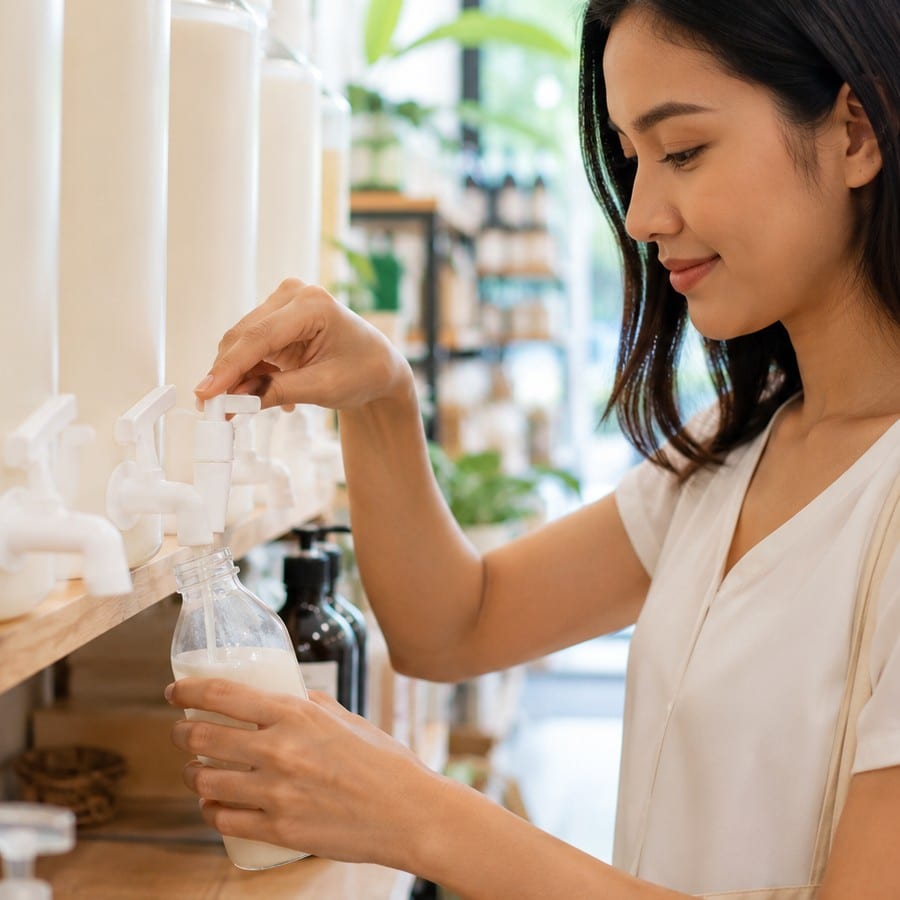
For cosmetics companies, refill systems can take different forms. A manufacturer may supply bulk product to a retail location, for example, where consumers refill reusable containers. Other models may involve specialized refill stations, franchise arrangements or third-party operators.
The regulatory requirements can vary significantly depending on how these models are structured. Issues such as product traceability, hygiene, contamination control, storage, dispensing equipment, labeling and responsibility between the manufacturer and refill operator can all become important from a product safety perspective.
The proposed sandbox could therefore provide a mechanism for testing these models while regulators gather evidence about the risks associated with different approaches.
For businesses, however, regulatory flexibility should not be interpreted as an absence of compliance obligations. Companies participating in any future sandbox would still need to operate within the conditions established by the FDA and demonstrate that their activities can meet applicable safety and quality expectations.
A potential opening for refill and circular-economy models
The proposed framework reflects a broader regulatory question facing many markets: how should existing product-safety rules be adapted when businesses introduce new ways of selling and distributing established products?
Refilling can reduce packaging consumption and create new commercial opportunities, but it can also introduce regulatory challenges that are less significant in conventional sealed-product sales. The Philippine approach suggests that the authorities are interested in developing those requirements through practical testing rather than relying solely on traditional licensing models.
For companies considering a refill business in the Philippines, this makes the development worth following closely. Businesses may want to assess their proposed operating model in advance, particularly where it involves third-party refill operators, franchising, subcontracting or direct consumer dispensing.
