

What cosmetic dupes actually are
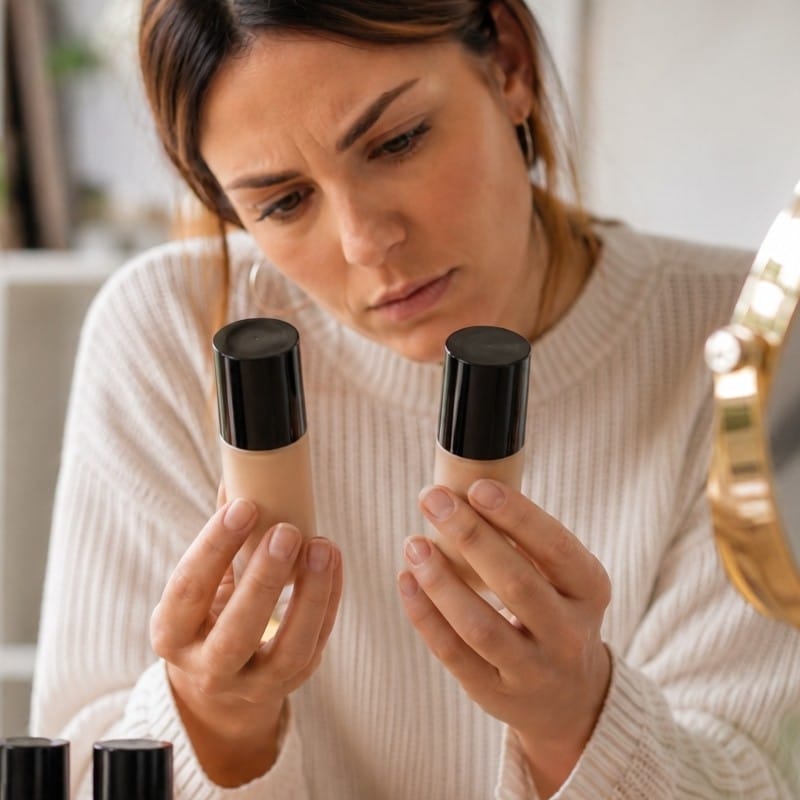
In simple terms, a cosmetic dupe is a product designed to resemble another cosmetic product that is usually more expensive or more established in the market. The goal is often to recreate a similar experience, whether through texture, colours, packaging style, or marketing approach.
Dupes are not exactly the same as counterfeit products. Counterfeits illegally pretend to be the original brand. Dupes, meanwhile, are generally sold under a different brand name. That said, the legal boundary can become blurry when similarities are too obvious or when consumers may be confused about the relationship between the products.
The speed of the trend has changed a lot in recent years. Viral products can now inspire dozens of similar launches almost immediately. Beauty trends move faster than before, and many companies are trying to respond as quickly as possible.
Why the industry is worried
FEBEA says the issue is not only about brands copying each other. The federation points to possible risks connected to product safety and consumer protection.
Large cosmetic companies usually spend significant time and resources on formulation work, testing, safety assessments, and regulatory documentation before launching a product. Under European cosmetic legislation, companies placing products on the market must comply with requirements linked to safety reports, product information files, ingredient rules, labelling, and claims substantiation.
Some dupe products may be developed under strong cost and time pressure. According to concerns raised around the phenomenon, this could increase the risk of insufficient testing or lower quality control standards.
The problem is not necessarily that affordable cosmetics exist. The concern is whether every product marketed as a cheaper alternative follows the same level of regulatory diligence expected in the cosmetic sector.
Inspiration or imitation?
The beauty industry has always followed trends. Similar shades, textures, fragrances, and packaging concepts are common across many categories. What has changed is how visible and immediate the comparisons have become online.
On social media, entire communities are dedicated to finding products that look or perform like luxury cosmetics for a fraction of the price. In some situations, the resemblance between products becomes so strong that questions appear around unfair competition, intellectual property, and misleading presentation.
Legal experts note that dupes may become problematic if they create confusion regarding the origin of the product or suggest an association with another brand that does not actually exist.
What this means for manufacturers
The dupe phenomenon is creating new challenges for cosmetic manufacturers too. Many companies now work simultaneously as contract manufacturers, private-label suppliers, and brand owners. That overlap can raise concerns around confidentiality, formula protection, and access to proprietary information.
As competition grows faster, manufacturers are under pressure to deliver trend-driven products quickly while still respecting regulatory obligations and intellectual property boundaries.
Some businesses openly market themselves as specialists in creating alternatives inspired by premium cosmetics. The practice itself is not automatically unlawful, but companies still need to comply with cosmetic regulations and avoid misleading consumers.
A trend that is not disappearing soon
The discussion around cosmetic dupes reflects larger changes happening across the beauty industry. Consumers are more price-conscious, more informed about ingredients, and more willing to compare products online than they were a few years ago.
At the same time, expectations around transparency and safety continue to increase. Regulatory compliance, product substantiation, and responsible marketing remain central responsibilities for brands and manufacturers, regardless of product price positioning.
For that reason, cosmetic dupes are likely to remain part of ongoing conversations around safety, intellectual property, consumer trust, and compliance within the cosmetics sector.
