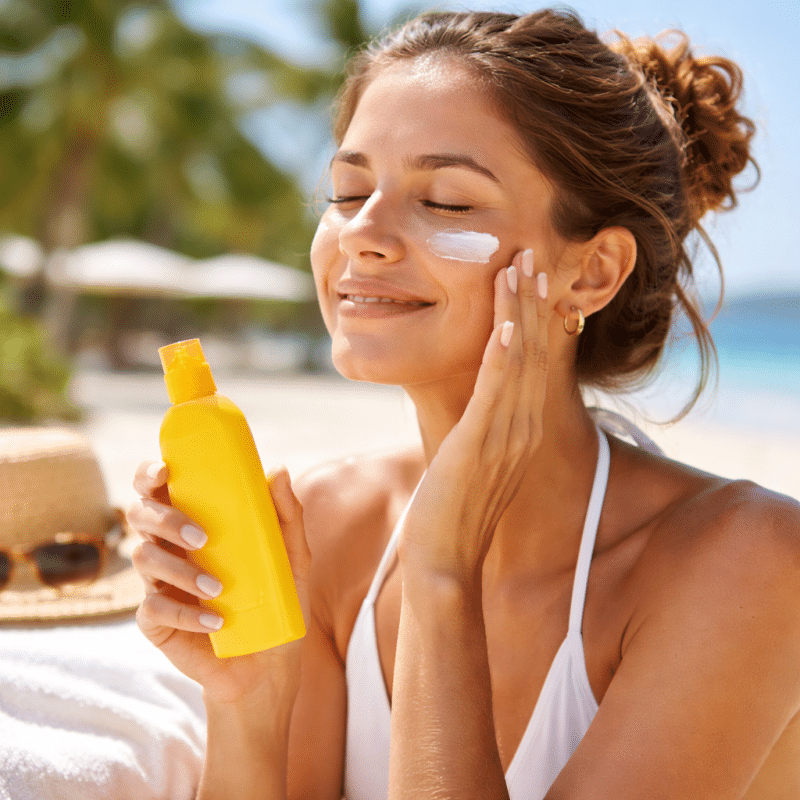
Protect Your Skin Every Day: Why Daily Sunscreen Matters
Sunscreen is moving from a seasonal afterthought to an expected part of daily personal care in the beauty and wellness market.More brands and health experts describe SPF as necessary for all skin types,but most peopel still do not use it each day. A new multinational initiative wants to address this gap, spreading the message that regular sunscreen use protects skin health and lowers skin cancer rates. The campaign’s central aim is to drive lasting behavioral change.
Main Points
Companies in personal care are promoting sunscreen as a daily must-have, not an occasional product. The #WearSunscreen movement aims to boost ongoing awareness and spur people to include sun protection in their everyday regimen. New sunscreen innovations wiht appealing textures are designed to make frequent SPF use part of a comfortable routine.
Daily Sun Protection: A Public Health Focus
Organizations in health and beauty are coordinating to make sun protection a standard health message. Their campaigns repeat a simple point: use sunscreen every day for better skin health and to cut skin cancer risk.
There is momentum toward routine SPF use as more consumers recognize sunscreen as an everyday staple. Sun protection is presented less as a product just for vacation and more as an essential cosmetic step.
Despite these campaigns, SPF use is lower then experts would like. Fewer than 14% of people in the US apply sunscreen daily, according to figures from the Skin Cancer Foundation.
The latest campaign began on April 7, marking World Health Day. It has backing from the Personal Care Products Council, the Consumer Healthcare Products Association and the Health In Hand Foundation, with partners including the Melanoma research Foundation and the Skin Cancer Foundation.
Continued Need for Awareness
Skin cancer is the most diagnosed cancer in the United States.Annually, more than five million Americans recieve a diagnosis, topping the number of cases for all other cancer types.
Public knowledge about sun dangers has grown, but many people still do not treat UV exposure as a daily health concern. Industry leaders believe that lighter, more wearable sunscreen formulas could drive up regular use among hesitant groups.
Surveys from the American Academy of Dermatology in 2024 show 96% of Americans value sun safety, but behavior tells another story: the proportion of people who became tan rose to 67% from 54% in 2020, and the share reporting sunburn increased to 35% from 25%, with high rates among those under 40.
Young adults (ages 18 to 26) face higher exposure risks. Survey data reveals 52% do not no all dangers of sunburn, including skin cancer and early skin aging. While many Americans have basic sun safety facts, 32% of Gen Z respondents earned poor scores on sun protection knowledge.
Shifting Toward a Broader Health Standard
By joining forces,public and private organizations wont to turn awareness into real habits that last. The ultimate target is measurable change-not just more education,but more people using sunscreen year-round.
Recognition of sunscreen as a health essential is growing. In 2025, the World Health Organization included sunscreen on its Model List of Essential Medicines, confirming its status as crucial for public health worldwide.