
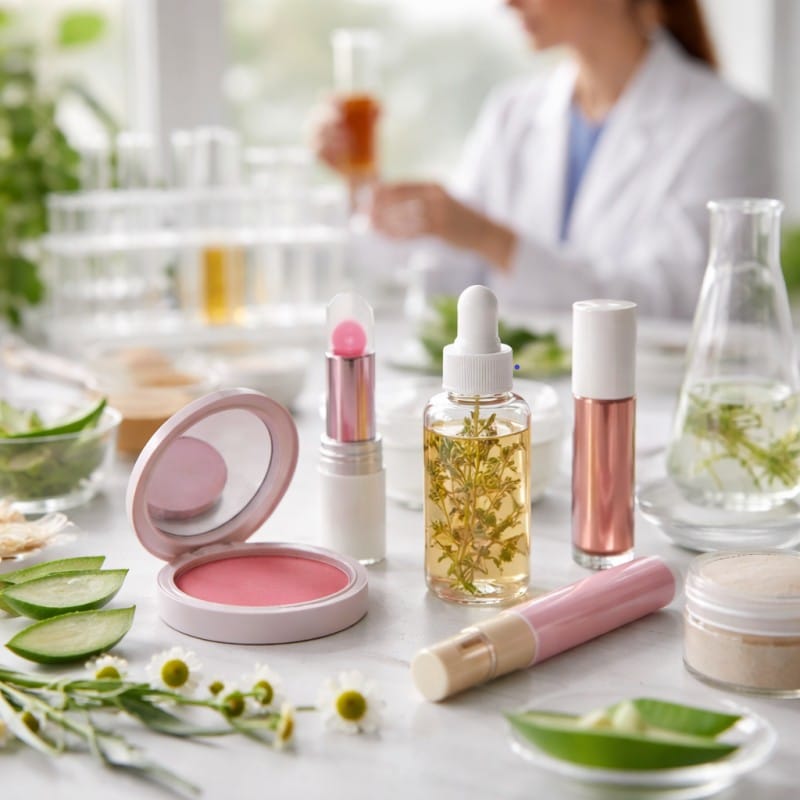
The beauty industry is evolving as consumers look for more than just “clean” ingredients. According to Personal Care Insights, the cosmetics market moves quickly, and brands are moving past basic clean ingredient lists, aiming to satisfy buyers who demand precise performance and multifaceted benefits. Hybrid products that combine makeup, skincare, and science are growing popular. For instance,Gotcha Cosmetics released pH-responsive products in December 2025,with items designed for lips,eyes,and cheeks. Their Strato-spheric Blush offers a gel-cream texture for natural color, adapting to individual skin chemistry, and provides light hydration. The company states this approach lets color blend naturally with each person’s complexion, using a formula that adjusts specifically to the wearer.
Shifting Definitions of Clean Makeup
Today’s informed shoppers value straightforward ingredients and avoid controversial or questionable substances. Ophélie Bourgon, Marketing Manager at Roquette Beauté, points out that “clean” lacks an official definition in regulations, with every brand offering their viewpoint. Buyers seek products without talc (unless tests confirm safety from asbestos) or certain preservatives like parabens. Bourgon describes a rising demand for makeup that’s not just clean, but delivers safety, efficacy, and pleasant use. Growing public knowledge and social pressure drive brands to improve transparency. This has led to formulas without certain additives, and with greater clarity about all included ingredients. Bourgon shares that the process raises technical difficulties, such as preserving product stability and performance. Industry leaders now inform customers by highlighting ingredient origins, using simple labeling, and openly documenting supply chains, often including ingredient glossaries and “farm-to-face” sourcing details.
The Rise of Plant-Powered Formulas
Plant-derived ingredients stand out in the movement for cleaner, lasting makeup. bourgon explains that more users prefer natural materials that still deliver sensory pleasure and strong results. Roquette Beauté demonstrates this trend with specialty plant-based ingredients, such as Beauté by Roquette ST 305 Amylopectin, an choice to
standard mineral and
synthetic powders, including talc. These new materials offer mattifying benefits and improve the sensory feel of cosmetics. Bourgon notes that ST 305 Amylopectin delivers proven results across formats-making cream blush firmer, enhancing lipstick texture, and boosting the feel of liquids and creams. It can rival or outperform some natural and synthetic counterparts for sensory experience and performance.
beauté by Roquette ST 730, another plant-based progress, uses pea starch to create a reliable, water-resistant film on the skin, supporting long-wear makeup. It features in mascaras, oil- and sebum-resistant products, and makeup with visible lifting effects. Bourgon highlights its dual advantage: a smooth feel combined with durability. The company’s broad plant-based portfolio aims to support brands seeking sustainable, high-quality, and innovative makeup ingredients-helping redefine the benchmarks of “clean” beauty as consumer expectations change.
Bridging Expectations and Performance
Educating consumers supports the modern clean beauty movement, narrowing the gap between expectations for clean labels and actual product performance.Bourgon describes how her team addresses confusion by providing evidence of the effectiveness of plant-based solutions alongside expert resources. Transparency about ingredient choices and comparative results helps brands keep cosmetic applications enjoyable while focusing on sustainability. Over the next decade, Bourgon expects brands will combine transparency and sustainability to meet new customer priorities. shoppers are asking for clear ingredient details-not just on packaging, but throughout the supply chain.
Bourgon adds that the future of cosmetics will include all-in-one solutions featuring skincare properties, weather-adaptive benefits, and customizable or interactive aspects. She believes ongoing education and open visibility into these advances are essential for building consumer confidence and ongoing loyalty.
Trends Towards Personalization and Seasonality
This January, IPSY overhauled its IPSY Ultimate tier to match the way customers adapt beauty routines during the year. The service now offers a curated experience with skincare, makeup, and hair products from top brands, each chosen for seasonal relevance. Kristy Westrup, Chief Merchandising Officer at IPSY, says today’s beauty shoppers expect experiences that are timely and tailored, rejecting one-size-fits-all solutions. IPSY found through polling that 62% of its Instagram respondents change their routines with the seasons, showing how preferences shift over time. Westrup states that customization and thoughtful selection drive the IPSY Ultimate Spring Collection, ensuring a range of products that reflect users’ changing needs and priorities as the year progresses.
Matte Trends Gain Ground
Spate’s Popularity Index shows that matte looks are seeing renewed interest in the US market. After several years of glowing and dewy finishes, 2026 forecasts a sharp return to matte, but with a modern feel. matte highlighters and lip balms now top the list of growing interests,though broad awareness remains limited. This trend reflects the industry’s response to the demand for creative, responsible, and clear beauty solutions-helping brands deliver what today’s customers want without losing sight of innovation or sustainability.
