
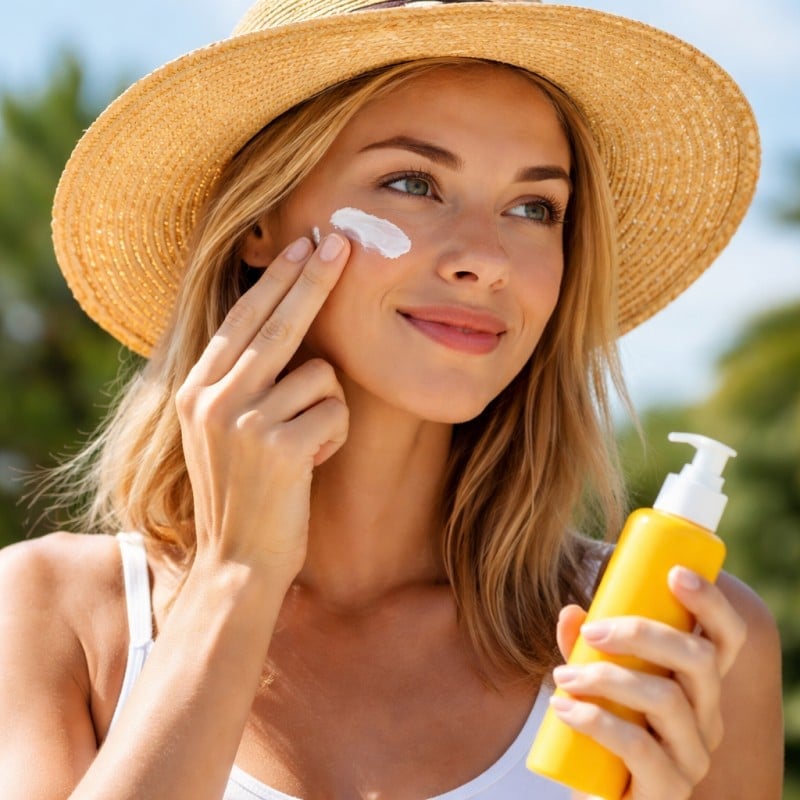
Sunscreen is gaining attention as an item to use every day, not just while on holiday or at the pool. Leading health organizations and personal care brands are spreading the idea that sunscreen protects skin health and helps lower skin cancer risk. While the use of SPF products is rising as part of daily routines, regular submission is still not widespread. The #WearSunscreen campaign highlights this issue and aims to improve both awareness and everyday usage among the public.
Fast Insights
More companies now frame sunscreen as a daily must-have, moving away from the perception that itS just for holiday sun. The #WearSunscreen initiative is focused on encouraging daily sun protection. Better skin feel and lighter textures are seen as key to convincing more people to use SPF every day.
A wide range of organizations from the beauty,health,and personal care industries have unified their message: consistent sun protection is vital for public health. They agree that daily sunscreen can protect skin and cut skin cancer risks.
Recent changes in beauty routines show more people treating SPF as a necessity, not an option. According to Spate, transitioning sun care from a seasonal item to a routine part of cosmetics is now the recommended strategy for brands.
Still, daily sunscreen use is too low. The Skin Cancer Foundation notes that fewer than 14% of Americans wear sunscreen each day, which underlines the urgency behind the campaign.
Launching on April 7 during World Health Day, the campaign brought together the Personal Care Products Council, consumer Healthcare Products Association, Health In Hand Foundation, Melanoma Research Foundation, and Skin Cancer foundation.
Raising Sun Safety Awareness
Skin cancer remains the top cancer diagnosis in the US, affecting over five million people each year-more than any other form of cancer.
Even as more people learn about sun risks, some groups are slow to make daily sun protection a habit or to choose products with improved textures.
According to 2024 research from the American Academy of Dermatology, 96% of US adults say sun protection matters, yet 67% reported getting a tan, up from 54% four years ago. Over a third experienced sunburn, while this number was just 25% in 2020. Nearly half of all Gen Z and millennial adults fell into this category.
Tanning and sunburn rates are rising, especially among adults aged 18-26. A national study revealed that 52% of Gen Z adults did not know at least one sunburn-related danger, like the increased risk of skin cancer or early aging. While many Americans scored well on sun safety knowledge,32% of Gen Z adults earned a D or F grade.
Innova Market Insights reports that sun protection products remain the top subcategory launch in sun care,though products like bronzers and self-tanners are also growing as alternatives to sunbathing.
Growing misinformation online is partly responsible for younger generations’ knowledge gaps. The Skin Cancer Foundation photobiology team raised concerns that social media continues to spread false claims, driving up skin cancer risk in the US.
Anna Chien, dermatologist and Skin cancer Foundation Photobiology Committee member, stressed the need for updated guidelines as sun exposure grows and misinformation circulates-causing more young people to skip SPF products.
through #WearSunscreen, the campaign shares facts, resources, and advice from experts, helping more people add sun safety into their routines with reliable information.
Melanoma stands out as both the deadliest and one of the most avoidable skin cancers, claiming about 20 lives each day in the US and expected to cause 8,510 deaths in 2026.
james Merrick, chief officer at the Melanoma Research Foundation, pointed out that over 90% of melanomas could be prevented, and most are treatable when found early. Using sunscreen year-round, irrespective of age, background, or skin color, is a crucial step to reduce melanoma risks.
These outreach efforts promote daily SPF application across demographics-urging everyone to protect their skin no matter the season, climate, or complexion.
Merrick added that the coalition speaks for melanoma survivors and patients, with a focus on education about UV hazards and the importance of preventive habits.
By joining forces, these organizations aim to foster ongoing sun-safe habits. The World Health Institution recognized sunscreen’s essential health benefit by including it in its Model list of Essential Medicines last year.
This shift highlights sunscreen’s role not just as a cosmetic but as a preventive medicine, supporting broader access and helping reduce UV-related illnesses worldwide.
Access to FDA-Regulated Sun Care
Campaign partners highlight that sunscreen formulas approved by the US FDA, both mineral and non-mineral, protect against sunburn, skin aging, and skin cancer when used correctly. Consumers can choose from a variety of meticulously tested options suited for different preferences and needs.
The FDA has been slow to expand its list of approved active ingredients, with no new additions as 1999.In December,the agency moved to add new ingredients for the first time in nearly three decades.
Bemotrizinol is one new ingredient that could soon be allowed. If the change is finalized, it will be available for everyone over six months of age.
The Personal Care Products Council maintains its focus on regular, correct sunscreen use as part of skin care and wants consumers to have access to safe, high-performing products with information rooted in science.
Higher SPF lotions or creams may feel heavy or leave a white layer, especially those containing zinc oxide. Manufacturers are now improving textures with better emulsifiers and touch agents, like elastomer gels or biodegradable powders, noted Kevin Hedou, technical sales manager for Brenntag.
Consumers increasingly expect sun care to double as skin care, following a “skinification” trend that blends protective and nourishing benefits.
Symrise reports that more people now seek products that provide a lightweight, dewy finish and invisible coverage, letting SPF act as a makeup base or glow booster.
Data from Spate shows that brands treating SPF like only a sunscreen are losing market share to those who position SPF as part of a skin care regimen.
Beauty analyst Jenny Zeng at Spate explains that users prefer formulas that blend seamlessly, support makeup application, and deliver cosmetic benefits like glow or skin smoothing-most see sun protection as a given feature.
To respond, manufacturers are launching new product textures and formats with improved comfort and performance.
In early 2026, Shiseido rolled out a new mist sunscreen, powered by its AI platform Voyager, which harnesses a data bank of more than 500,000 data points to refine formulation choices.
Bringing the Industry Together for Sun Protection
Daily SPF use is increasing, but not yet widespread enough to clear a public health milestone. The industry continues improving formulas, and organizations amplify the call for sun safety as a part of self-care.
The #WearSunscreen hashtag encourages people to share sun protection routines and inspire others by example, reinforcing the importance of regular SPF use to protect skin.
Consumer Healthcare Products Association president Scott Melville sees the campaign as representing combined efforts of many groups, all working to make sun safety an everyday priority.
Bringing together those from health, beauty, public outreach, survivor advocacy, and policy, the message is unified and clear: using sunscreen each day can prevent skin cancer and save lives.
