CERTIFIED COSMETICSLatest news

Here we bring the latest news of anything new in the cosmetic market.
bt_bb_section_bottom_section_coverage_image
South Korea Releases Cosmetic Safety Assessment Documentation Guide

South Korea’s Ministry of Food and Drug Safety (MFDS) has published new guidance explaining how cosmetic companies should prepare product safety assessment documentation before placing products on the market. Although the guidance itself is not legally binding, it provides the first detailed picture of how manufacturers and responsible distributors are expected to demonstrate product safety...
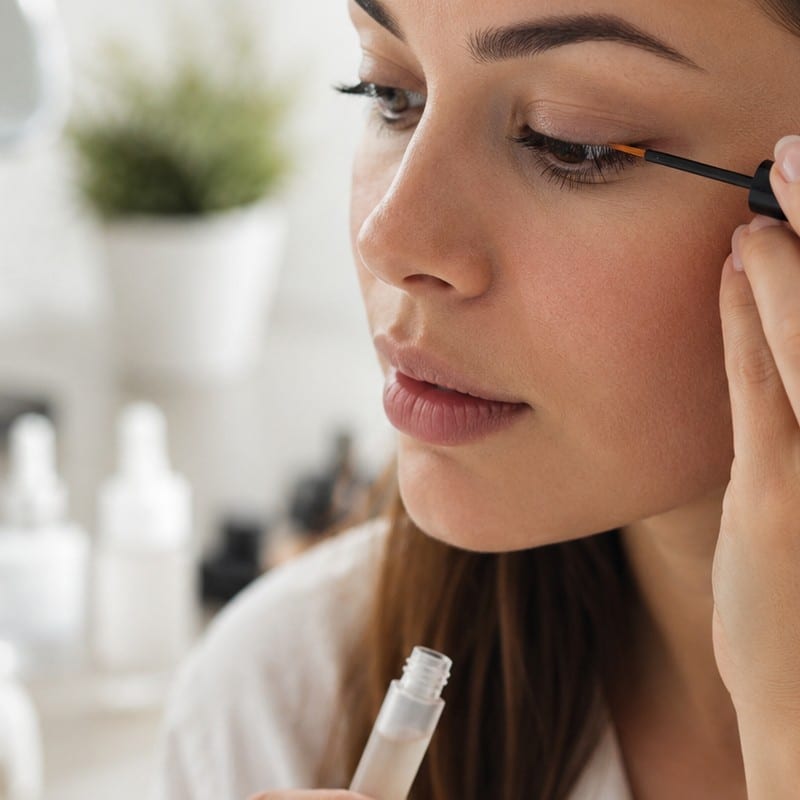

SCCS Opinion on Prostaglandin Analogues

The European Scientific Committee on Consumer Safety (SCCS) has once again placed prostaglandin analogues under the regulatory spotlight. Following several years of scientific evaluation, the Committee has concluded that certain prostaglandin analogues used in cosmetic products intended to promote eyelash and eyebrow growth cannot currently be considered safe for cosmetic use. For manufacturers, brand owners...

EU Revises Hazardous Chemical Import and Export Requirements

The European Commission has published a draft delegated regulation that would significantly expand the list of hazardous chemicals subject to import and export controls under Regulation (EU) No 649/2012. The proposal introduces new restrictions for numerous industrial chemicals and pesticide active substances, reflecting recent international agreements and updates to EU chemicals legislation. If adopted, the...

Argentina Strengthens Cosmetic Ingredient Controls

Argentina has introduced significant updates to its cosmetic regulatory framework through the adoption of new Mercosur provisions governing ingredients used in personal care products, cosmetics and perfumes. The measures update both the list of substances prohibited in cosmetic formulations and the list of ingredients that may only be used under specific conditions. The changes form...

What Are UNII Codes? A Key Element in the FDA’s MoCRA Framework

The modernization of cosmetic regulation in the United States continues to introduce new concepts and data requirements for manufacturers. One of the terms that has attracted increasing attention since the implementation of the Modernization of Cosmetics Regulation Act (MoCRA) is the UNII code. Although UNIIs have existed for many years within the healthcare and pharmaceutical...

Hydroxycitronellal and Glyoxylic Acid Enter the SCCS Review Process

In June 2026, the European Commission requested new scientific assessments from the Scientific Committee on Consumer Safety (SCCS) regarding two well-known cosmetic ingredients: Hydroxycitronellal and Glyoxylic Acid. These mandates are part of the European Union’s ongoing process of reviewing cosmetic ingredients as new scientific data become available, helping ensure that consumer safety assessments remain up...

Japan Aligns Chemical Hazard Communication Rules with the Latest GHS Framework

Manufacturers and suppliers placing chemical products on the Japanese market should take note of recent updates to the country’s hazard communication framework. New national standards have been introduced that modernize how chemical hazards are classified, labelled, and documented, bringing Japan’s system closer to the latest internationally recognized GHS principles. While the transition period provides companies...

South Korea Introduces New Rules for AI-Generated Characters in Cosmetic Advertising

Artificial intelligence is transforming the way cosmetic products are marketed. From virtual influencers to AI-generated spokespersons, brands now have powerful tools to create realistic advertising content quickly and at scale. However,  regulators are increasingly concerned about their potential to mislead consumers. South Korea has recently taken an important step in this area by introducing new...

The Difference Between Cosmetic Safety and Efficacy

Consumers often evaluate cosmetics with a simple question: “Does it work?” Yet from a regulatory perspective, this question combines two very different concepts that are assessed independently: product safety and product performance. Understanding this distinction is becoming increasingly important as consumers encounter a growing number of claims about anti-aging effects, hydration, skin repair, natural ingredients,...