
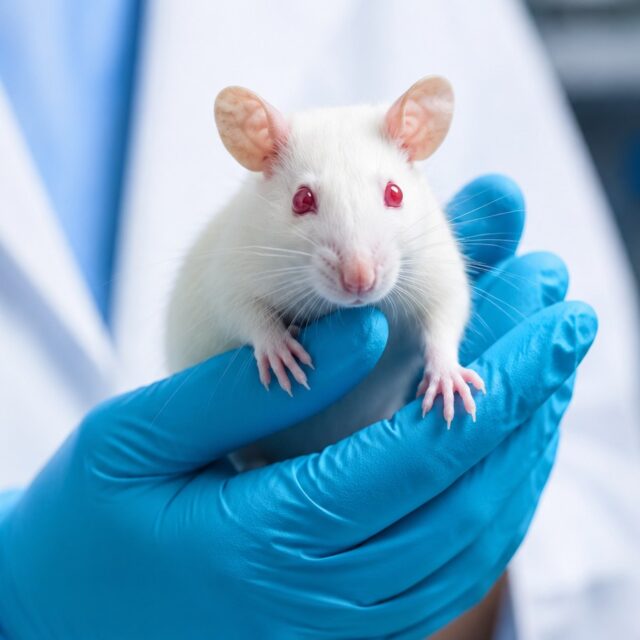
The reality is more complex. Depending on the market, cosmetic products may face very different legal requirements regarding safety testing, toxicological data, and alternative methods. For brands operating globally, understanding these differences is essential not only for regulatory compliance, but also for maintaining ethical positioning and consumer trust.
The European Union: One of the Strictest Frameworks Worldwide
The European Union applies one of the world’s strictest cosmetic animal testing frameworks through Regulation (EC) No 1223/2009.
Animal testing for cosmetic products and cosmetic ingredients is prohibited, and companies must rely on alternative safety approaches such as existing toxicological data, in vitro methods, and scientific assessments. Compliance with these requirements forms part of the Product Information File (PIF) required for cosmetic commercialization within the EEA.
Because the European system is particularly extensive, many international manufacturers use it as a reference point when designing global compliance strategies.
The United States: No Federal Ban, But Strong Industry Shift
The United States follows a different regulatory philosophy. Cosmetics are regulated by the Food and Drug Administration (FDA) under the Federal Food, Drug, and Cosmetic Act and the more recent Modernization of Cosmetics Regulation Act (MoCRA).
Unlike the EU, the United States does not currently impose a nationwide ban on cosmetic animal testing. However, animal testing is generally not required for cosmetics under federal law.
In practice, the industry has moved strongly toward alternative testing strategies due to consumer expectations, international market access, technological advances in non-animal methods and corporate sustainability policies.
Several US states, including California and Nevada, have also introduced restrictions on the sale of cosmetics tested on animals, reflecting growing market pressure toward cruelty-free practices.
China: A Rapidly Evolving Regulatory Landscape
China has historically been associated with mandatory cosmetic animal testing, particularly for imported products. However, the regulatory situation has evolved significantly under the Cosmetic Supervision and Administration Regulation (CSAR).
Today, many imported general cosmetics may qualify for exemptions from mandatory animal testing if specific regulatory conditions are met. These conditions can include:
- Appropriate safety assessments
- GMP certification
- Complete technical documentation
- Absence of high-risk claims or ingredients
However, animal testing may still apply in certain situations, especially for:
- Special cosmetics such as sunscreens or hair dyes
- Products intended for children
- Cases involving safety concerns or post-market investigations
For global brands, China remains one of the most challenging markets when balancing regulatory access and cruelty-free positioning.
Japan and South Korea: Increasing Alignment With Alternative Methods
Japan and South Korea do not prohibit cosmetic animal testing in the same way as the European Union, but both countries increasingly align with international trends favoring alternative methods.
In Japan, cosmetics are regulated under the Pharmaceutical and Medical Device Act (PMD Act). Animal testing is not legally required for standard cosmetics, and companies commonly rely on existing ingredient safety data and non-animal approaches.
South Korea has also strengthened support for alternative testing methods in recent years. Regulatory authorities increasingly encourage validated non-animal approaches, particularly as Korean cosmetic brands continue expanding internationally.
At the same time, both countries maintain strong quality and safety oversight systems, including:
- Good Manufacturing Practices (GMP)
- Post-market surveillance requirements
- Technical documentation obligations
Beyond Regulation: The Commercial Impact of Animal Testing
For cosmetic manufacturers today, animal testing is no longer only a regulatory issue. It also affects brand reputation, retail partnerships, consumer trust, international expansion opportunities and cruelty-free certifications.
Many retailers and certification bodies apply their own cruelty-free standards independently of legal requirements. As a result, companies often avoid animal testing even in markets where it remains legally possible.
At the same time, advances in alternative toxicology methods continue reducing the industry’s dependence on animal studies. In vitro models, computational toxicology, and existing ingredient databases increasingly allow manufacturers to demonstrate safety without new animal testing.
Adapting Cosmetic Compliance to a Changing Global Market
Animal testing regulations continue evolving worldwide, but the global trend clearly points toward increased use of alternative methods and stricter ethical expectations.
For manufacturers operating internationally, the challenge is not only understanding where animal testing may still apply, but also building compliance strategies that remain compatible with both regulatory requirements and consumer expectations across different markets.
Companies that integrate non-animal safety approaches early in product development are generally better positioned to simplify international commercialization, support cruelty-free claims, and adapt more efficiently to future regulatory changes.


