AI Use in Beauty Marketing: Can Consumers Trust the Results?
Beauty companies are quickly embracing artificial intelligence to tailor shopping experiences and influence product selection. While this shift promises a more individual approach for consumers, it also brings rising questions about consumer protection and compliance. Many specialists now point to new legal and ethical risks, especially concerning how AI-driven content makes product claims and manages personal information. The rapid advance of AI within the industry creates both high hopes and hesitations: as customer journeys evolve, worries about privacy, truthfulness, and company honesty are taking center stage.
How AI Shapes Beauty Product Recommendations
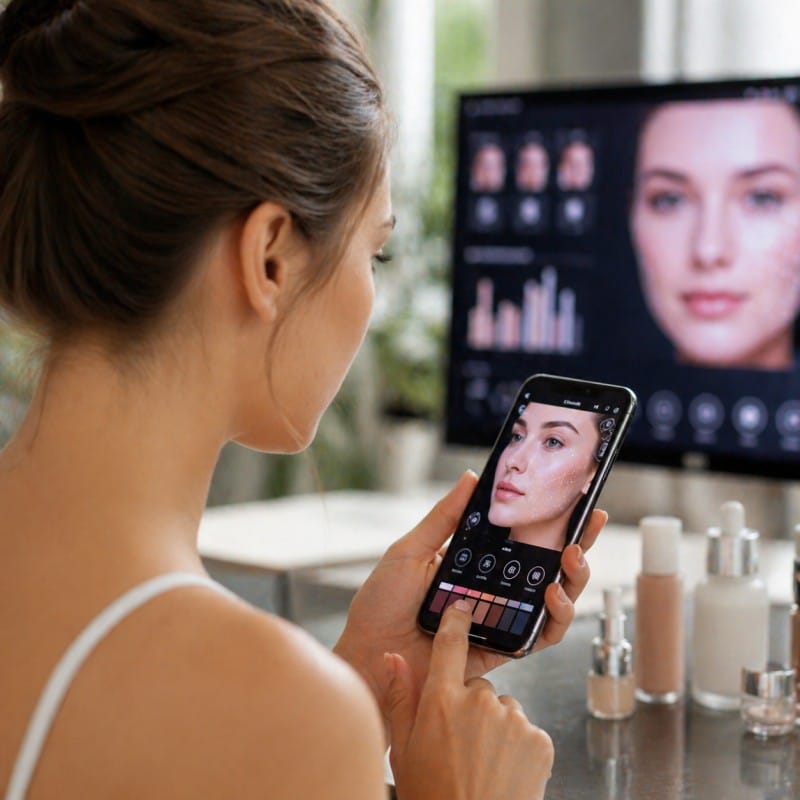
Artificial intelligence now personalizes everything from skincare suggestions to makeup inspiration. Rich datasets, often collected from digital profiles or past purchases, drive these advanced recommendation tools and automated messages tailored to each userS preferences.
Yet, this tech can blur the distinction between true expertise and promotional hype. Professionals caution that, if these automated suggestions or claims lack solid scientific backing, they could mislead shoppers. The result may expose brands to challenges over whether promises made by AI have any basis.
Concerns Around How AI Handles Data
complex AI features depend on collecting detailed personal data, such as skin type, shopping history, or even photos. The sensitivity of much of this information makes secure handling crucial.
Public and regulatory scrutiny is mounting. New questions focus on the controls in place to safeguard customer data and prevent misuse. If brands falter-such as by failing to meet GDPR standards in the EU-it risks not only legal battles but also lasting harm to consumer trust.
Building Credibility Through Transparency
Reliance on AI in beauty marketing faces a trust gap. Many shoppers are not aware when they’re guided by algorithms, making it hard to distinguish genuine advice from automated marketing.
This hidden use of AI can fuel doubt and erode credibility. For this reason, forward-thinking brands must openly communicate how technology shapes customer recommendations, providing clarity on what is informed by AI and what stems from human expertise.
Weighing Progress Against regulatory Obligations
Beauty companies are investing heavily in AI to stand out, but speed cannot threaten customer safety or brand reputation. Those leading the way stress that genuine progress must always be paired with strong ethical standards and regulatory compliance.
Ongoing risks-like misleading advertising, mishandled consumer data, or transparency failures-require careful risk management. Companies who balance technological innovation with strong controls will build loyalty; those who do not could damage the very trust AI is supposed to enhance.