Skin Sensitivity Test
$523.47
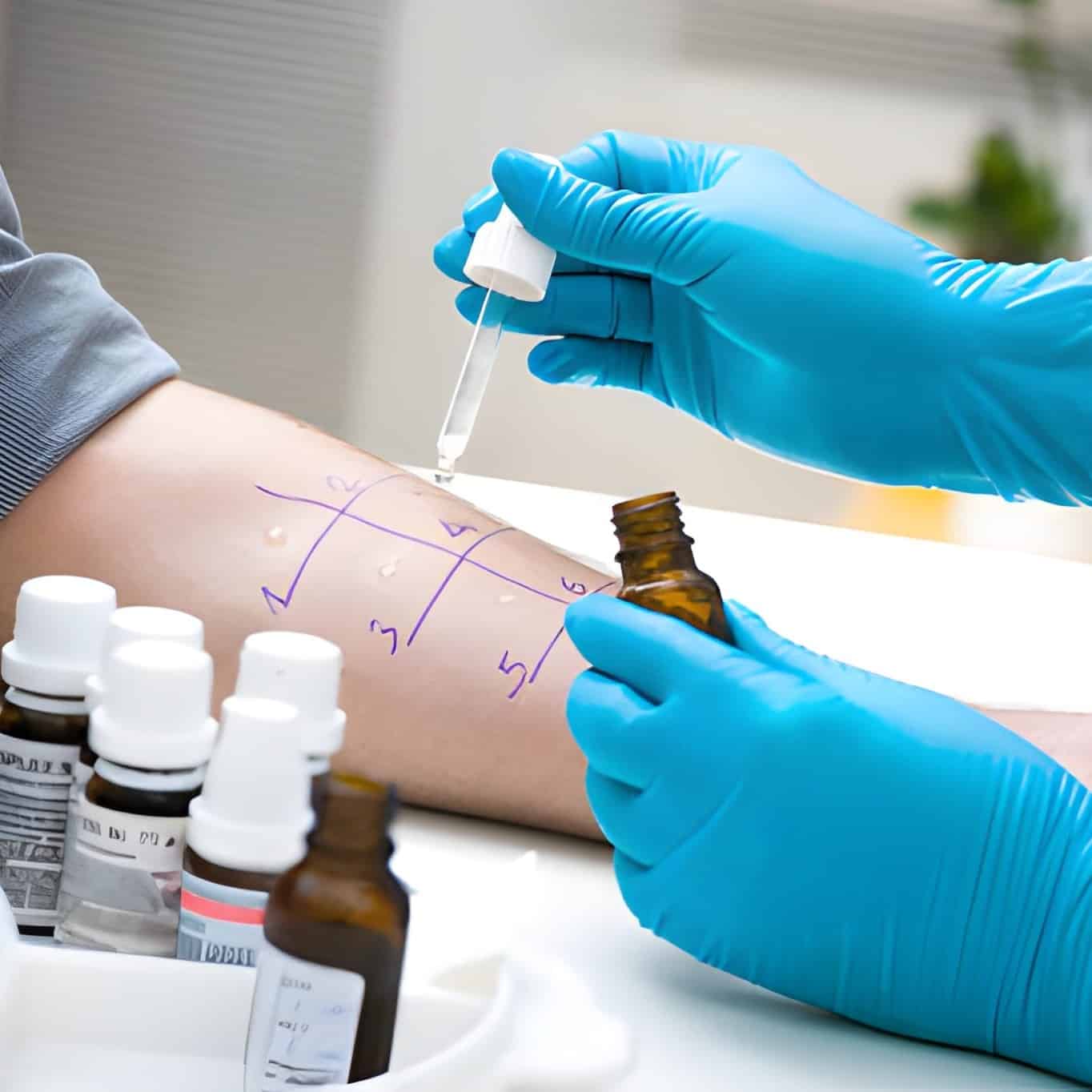
The skin sensitivity test is a laboratory and clinical evaluation that measures the skins reactivity to cosmetic products and external factors. The test helps determine whether a formula is gentle, well-tolerated, and suitable for sensitive skin. The test is widely used to substantiate claims such as “dermatologically tested,” “hypoallergenic,” and “suitable for sensitive skin.”
Purpose of the test
The purpose of this test is to assess whether a cosmetic product may cause irritation, redness, or discomfort when applied to human skin. The test assesses the products tolerance and ensures that the formula is safe for daily use on sensitive or reactive skin types.
How the test works
The skin sensitivity test is performed using a device-based test in combination with clinical observation under dermatological supervision. The test product is applied in a controlled manner to specific skin areas (usually the forearm or back). Reactions such as redness, dryness, or itching are monitored and measured using visual or instrumental assessment methods.
Applications in cosmetic testing
- Evaluation of products for sensitive or reactive skin
- Testing for hypoallergenic and dermatologically approved claims
- Tolerance assessment for baby care, facial care, and body care products
- Validation of “gentle,” “mild,” or “non-irritating” product claims
- Safety verification of new cosmetic formulations prior to launch
Test procedure
- Healthy volunteers with different skin types, including sensitive skin, are recruited.
- A small amount of the test product is applied to a designated skin area under controlled conditions.
- The site is assessed at specific intervals (e.g., 24, 48, and 72 hours) for visible or sensory reactions.
- Measurements of redness, hydration, and irritation are performed instrumentally or visually by a trained dermatologist.
- The results are compared with control samples to determine the products skin tolerability.
Results and reporting
The final report includes:
- Detailed description of the study protocol and the equipment used
- Clinical observations and participant feedback
- Quantitative data on redness or irritation levels
- Statistical analysis confirming tolerance and hypoallergenic efficacy
- Interpretation of the products gentleness and safety profile
Why this test is important
Consumers are increasingly seeking gentle, non-irritating formulas that protect and soothe the skin. The skin sensitivity test provides scientific evidence that a product is well-tolerated and has no sensitizing effects, allowing brands to substantiate their claims regarding sensitive or hypoallergenic skin with credibility and confidence.
Sample requirements
- Minimum quantity: 50100 g or ml of finished product
- Number of samples: 11 finished products
- Product type: creams, lotions, serums, cleansers, or baby care products
- Storage: room temperature unless otherwise specified
Turnaround time
Results are usually available within 1015 business days after receipt of the sample and the start of testing, depending on the duration of the test.
Deliverables
- Comprehensive laboratory and clinical report in PDF format
- Summary of data confirming the products tolerance and safety
- Findings suitable for marketing, regulatory, or labeling purposes
Compliance and Standards
The skin sensitivity test is conducted in accordance with Good Clinical Practice (GCP) and international cosmetic testing standards. All studies are conducted under dermatological supervision in a controlled laboratory environment to ensure reliable, reproducible, and ethical test results.
Related tests
- Skin Redness & Erythema Test
- TEWL Test (Transepidermal Water Loss)
- Patch Test for Skin Tolerance
- Corneometry (Skin Hydration Measurement)