CERTIFIED COSMETICSLatest news

Here we bring the latest news of anything new in the cosmetic market.
bt_bb_section_bottom_section_coverage_image
Talc-Based Cosmetics Sold Without Asbestos Testing

The US Food and Drug Administration has pulled back its plan that would have required asbestos testing for talc-containing cosmetics. The move follows an order from the Trump Administration tied to its “Making America Healthy Again” strategy. The original idea would have pushed manufacturers to test talc for asbestos contamination before putting it in products,...

How to Ensure Cosmetic Compliance in Estonia – Guidelines from Health Board

A thorough understanding of the regulatory environment, documentation requirements, and mandatory language and labelling guidelines established by both national and EU authorities is necessary for the launch of cosmetic products in Estonia. Even though Estonia complies with EU Regulation (EC) 1223/2009, companies must still fulfill extra requirements before releasing cosmetics. To avoid delays, removals, or...

How to Ensure Cosmetic Compliance in Germany – Guidelines from Federal Office of Consumer Protection and Food Safety

Ensuring cosmetic compliance with German requirements is one of the most important steps for any brand planning to enter the EU market. Germany is known for its well-established regulatory structures, a strong focus on consumer rights, and a strict approach to cosmetic product safety Germany expectations. Brands need to understand not only the EU-wide rules...

How to Ensure Cosmetic Compliance in the Czech Republic

For brands that want to move into Central Europe, it is important to know how cosmetic compliance works in the Czech Republic. EU Regulation (EC) No. 1223/2009 establishes uniform rules for cosmetics across all EU countries. However, each country has its own rules for monitoring and language-specific details. The State Institute for Drug Control (SÚKL)...

How to Ensure Cosmetic Compliance in Bulgaria – Guidelines from the Bulgarian Drug Agency

Achieving cosmetic compliance Bulgaria is essential for every cosmetic manufacturer or brand planning to enter the European market through this region. As a member of the European Union, Bulgaria follows EU cosmetics regulation Bulgaria under Regulation (EC) No 1223/2009, but implementation and monitoring are managed locally by the Bulgarian Drug Agency (BDA). This body makes...

How to Ensure Cosmetic Compliance in Belgium – Guidelines from the Federal Public Service

Under Regulation (EC) No 1223/2009, Belgium, a significant EU member, complies with EU cosmetics regulation Belgium. Although this regulation is applied consistently throughout the EU, each member state designates a competent authority to oversee, enforce, and communicate with the European Commission. The Federal Public Service (FPS) Health, Food Chain Safety, and Environment, in particular the...

Are Anti-Wrinkle Products Considered Cosmetics?

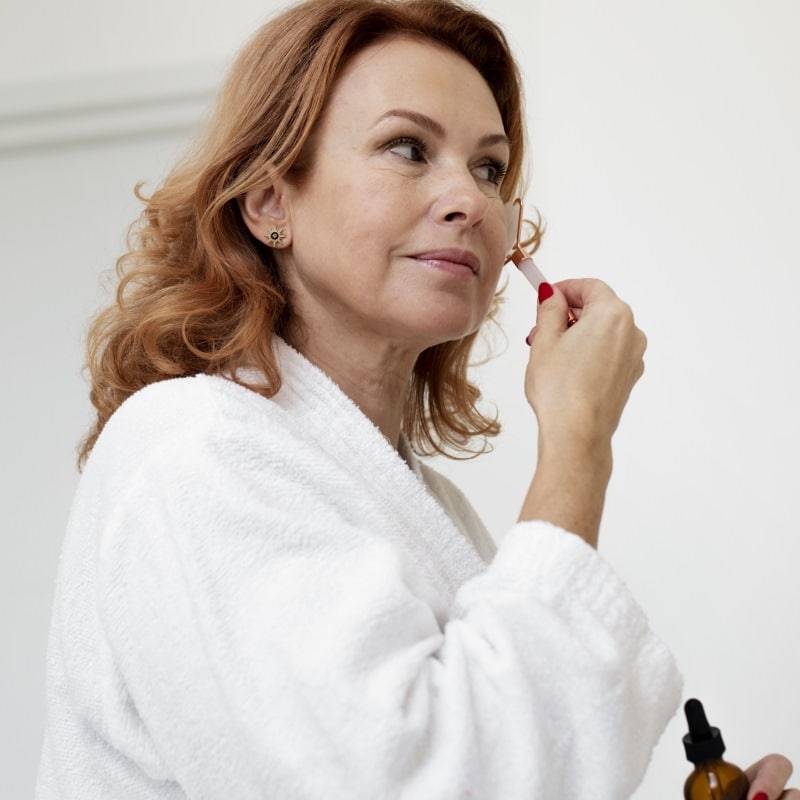
Anti-wrinkle products are among the most well-liked items in the skincare industry, ranging from sophisticated age-defying serums to daily moisturizers. Their formulation, intended use, and marketing strategy all influence how these products are regulated in the European Union, despite their claims of smoother, firmer, and younger-looking skin. Cosmetic classification is not always clear-cut in the...