

Explore this refreshed perspective on men’s grooming, reimagined to offer a unique, insightful look while keeping your favorite search terms in play:
Men’s interest in grooming has moved from the sidelines to the mainstream. Once rare,skin and beauty rituals are now part of daily routines for more men. Caring about appearance isn’t new-think back to the dapper looks of the 1920s or the bold styles of the 1980s. Today,many men feel open to expanding their grooming routines,encouraged by shifting norms and a broader acceptance of self-expression.
jake xu, co-founder of Shakeup Cosmetics, shared wiht Personal Care Insights how makeup use among straight men is rising. Younger generations use cosmetics for everyday benefits rather than to make a statement. For them, using concealer or foundation is about practicality: covering blemishes, evening skin tone, or boosting confidence before work or a video call.
“Only a few years back,makeup for men was considered option and was marketed as edgy,” Xu said. “Now, retailers treat it as a standard part of men’s personal care. It’s growing beyond novelty corners and finding a steady place alongside shaving creams and aftershaves.”
Xu highlights growing demand for easy-to-use items such as tinted moisturizers, spot concealers, and products that reduce dark circles. Men are drawn to tools that hide fatigue or help present themselves better-whether they are heading to an interview, date, or meeting. As perceptions shift, more are willing to try what used to be considered only for women.
Changing Perceptions Around Makeup
Cosmetic use isn’t limited to one gender; its roots are global and diverse. In earlier decades, public associations often linked men and makeup to the LGBTQ+ community.
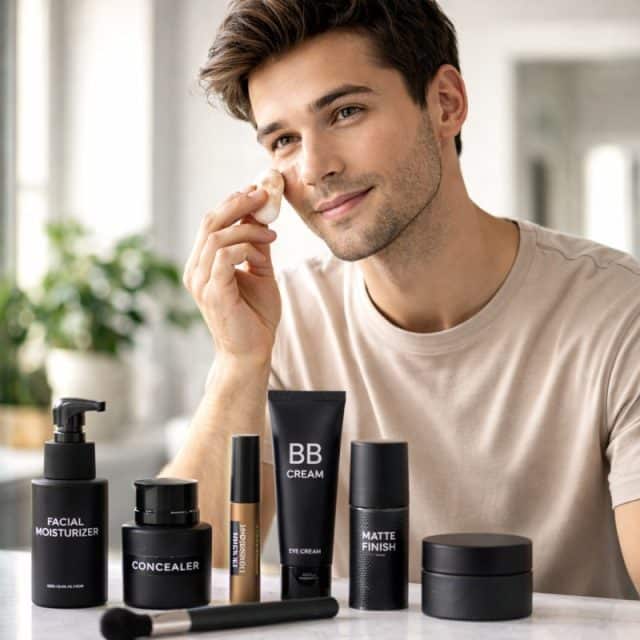
That stereotype-that makeup signals a man’s sexuality-is slowly losing its hold. Yet, there’s still work to do toward complete acceptance.
Shifts in media, celebrity trends, and discussions about modern masculinity have all contributed to a more open environment. With Gen Z leading the way, there’s reduced anxiety about “looking masculine.” Major brands like Shakeup emphasize that products are for everyone: moisturizer and concealer are practical, not labels. More men-from professionals to athletes-look at makeup as a helpful addition rather than a statement about identity.
Consumer habits are changing, too: today’s customers prefer the language of freshness and confidence over “wearing makeup.” Industry analysts project that the market for men’s cosmetics will continue to climb as old biases fade.
Xu adds, “Many think men using makeup is just a recent fad, but men have used grooming aids for centuries.” From powdered wigs at royal courts to camouflage creams for stage performance, these practices are rooted in a practical aim to look presentable. Now, the stigma is lifting as ordinary men view such products as means to enhance-not hide-their natural features.
this is the core shift: the goal isn’t to be someone else, but to show up as the best version of themselves. When men move from using these products in secret to talking about it in the open,that’s the most important progress.
The Impact of Social Media & Modern Pressures
Platforms like Instagram and TikTok have boosted the visibility of men’s makeup, making it more familiar. At the same time,social media can amplify pressures to look flawless.
Xu observes that young men are more attentive to how they look, for both personal and digital interactions. There’s a balance: some feel the weight of constant comparison, while others enjoy new ways to put their best face forward, whether on dating apps or in a professional setting.
Alongside these trends,the online “looksmaxxing” community pushes the idea of maximizing attractiveness-sometimes to unhealthy extremes. This niche group,active for years,has prompted fresh debate about the limits and drawbacks of appearance-driven culture.
Xu’s take: even though expectations have risen, men now have more tools to shape their presentation and boost self-image. When used thoughtfully, makeup helps create subtle improvements that reflect personal choice and empowerment.
Older Versus Younger Generations
Older men often stick to conventional grooming,having grown up when cosmetics for men carried negative labels. Brands once leaned on dark packaging and “macho” wording to market personal care. Today’s younger buyers are less interested in outdated gender coding and look for inclusivity instead.
Xu notes a shift in language, too-men might avoid saying they use “makeup,” instead mentioning products that ”even skin” or “cover redness.” Brands now focus on educating users,delivering subtle-but real-results,and highlighting functional benefits upfront.
What Drives Men to Try Makeup?
The trend among straight men is in early stages. xu predicts the breakthrough will be visible when more everyday men openly talk about using products like concealer or tinted moisturizers without hesitation.
Consumers want to understand what products do, how they fit into their day, and the actual improvements they offer. Clear and straightforward directions are crucial. The majority aim for a natural look, not dramatic transformations: less shine, fewer dark circles, and healthier-looking eyes.
Trust is a key driver. Men seek products that are lightweight, breathable, and supported by strong clinical testing. These factors will likely fuel future growth as the market evolves.
