Fragrance Trends 2024: What’s Changing the Scent Industry
Fragrance brands now face the dual challenge of responsible ingredient sourcing and responding to younger buyers who expect more. according to industry insiders, such pressures are prompting perfume companies to form new partnerships and rethink creative processes to keep up with both legacy trends and the next wave of olfactory developments. Interviews with professionals across scent and personal care show a sector poised for growth and rapid change.
Industry numbers confirm this shift: global releases of new fragrances grew by roughly 51% annually between 2021 and 2025. This surge matches consumer demand for lighter scents, stronger brand identities, and sustainable product innovations. To deliver on these expectations, fragrance houses rely on robust transparency initiatives and safety standards to vet every ingredient and protect end users throughout the product journey.
AI transforms fragrance creation
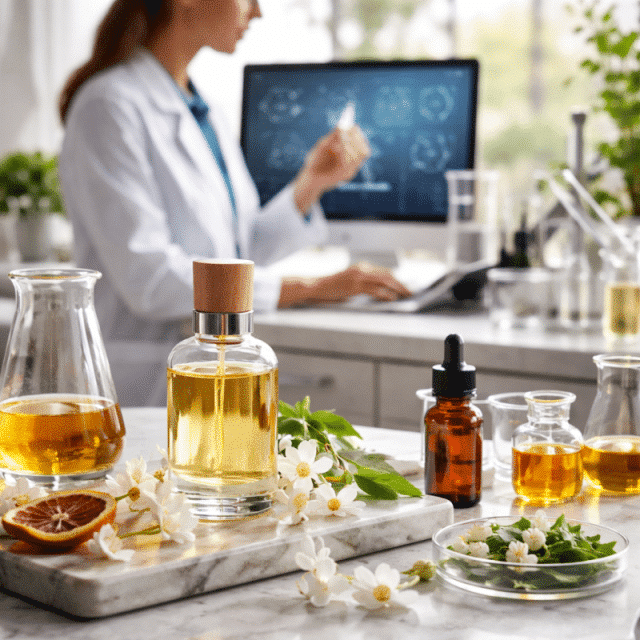
Artificial intelligence is revolutionizing how fragrances are made. Companies now use AI to support perfumers in early ideation,formula growth,and reviewing real world feedback. Despite this technical advantage, industry leaders affirm that human creativity and vision still drive the final scent signature.
AI tools speed up the process, minimize complexity, and help brands meet specific scent targets. For example, advanced platforms equipped with semantic analysis allow perfumers to capture and apply consumer feedback instantly. As an inevitable result, many designers now use AI-powered systems that convert online product reviews or social media comments into actionable directions for new formulations.
Modern computational models are also shaping new olfactory molecules and optimizing classic notes. Looking ahead, what experts label “contextual design” could become common: features like mood tracking, social context, or user routines might soon guide buyers to their best-matched fragrances using a blend of data and personalization tools.
Innovation under regulatory change
Shifting regulations and a stronger focus on sustainability now influence every stage of fragrance production. Many brands act ahead of legislation, applying global safety protocols and allergen research to raise their quality standards and minimize risk.
Cutting-edge delivery technologies are enabling scents to last longer while staying biodegradable,especially in home and fabric care. The industry is also working to lower its environmental impact from production to end use, with some companies adopting circular economy strategies and green chemistry for all product lines.
New ingredient sourcing sets modern brands apart. more manufacturers track every step in their supply chains and invest in responsibly produced plant extracts. Examples of this include the rise of supercritical CO2 extraction, which lowers a product’s carbon footprint, and switching to plant-based solvents over petroleum-derived options as the industry readies for tighter global regulations.
Industry observers note that regulatory shifts and climate priorities often lead to practical innovation and faster adoption of scientific advances in creating stable, effective scents.
The evolution of fragrance consumers
Demand for more elegant scent experiences is growing. Shoppers want fragrances that last longer, suit local tastes, and match the blended cultural influence of today’s market. Preference groups are multiplying, leading to ever more niche product lines.
Generation Z, in particular, is driving a boom in fragrance use and greater demand for impactful, memorable scents that align with identity. Many brands are refocusing efforts to deliver formulas that express individuality and resonate with daily routines.
Consumer interests worldwide are shifting: strong, layered scents once unique to markets like the Middle East are gaining ground in the Americas and Europe. Scent developers now collect region-specific data and set up research labs in emerging markets. In-depth studies of buying habits across multiple countries are now a key tool for companies looking to serve audiences that go beyond typical age or gender categories.
What’s next for the scent market?
Consumers now expect new fragrance formats that provide unique experiences. Solid scent sticks and gels, for instance, are taking off as alternatives to the classic spray perfumes and colognes.
Simultaneously occurring, detailed men’s skincare regimens and rising standards for daily grooming drive demand for scented products extending past traditional perfume.Brands are branching into deodorants, scented balms, and layering kits that deliver consistent identity through multiple touchpoints.
Modern fragrances now act as personal statements. More shoppers choose scents for the positive impact on their mood and mental clarity, not just sensory pleasure.
To meet these evolving needs, fragrance leaders leverage neuroscience, consumer analytics, and advanced science to create multisensory experiences with proven benefits. Analysts predict the next phase of the scent industry will be shaped by digital innovation, growing environmental commitments, and the rise of AI-driven, market-driven creation.