
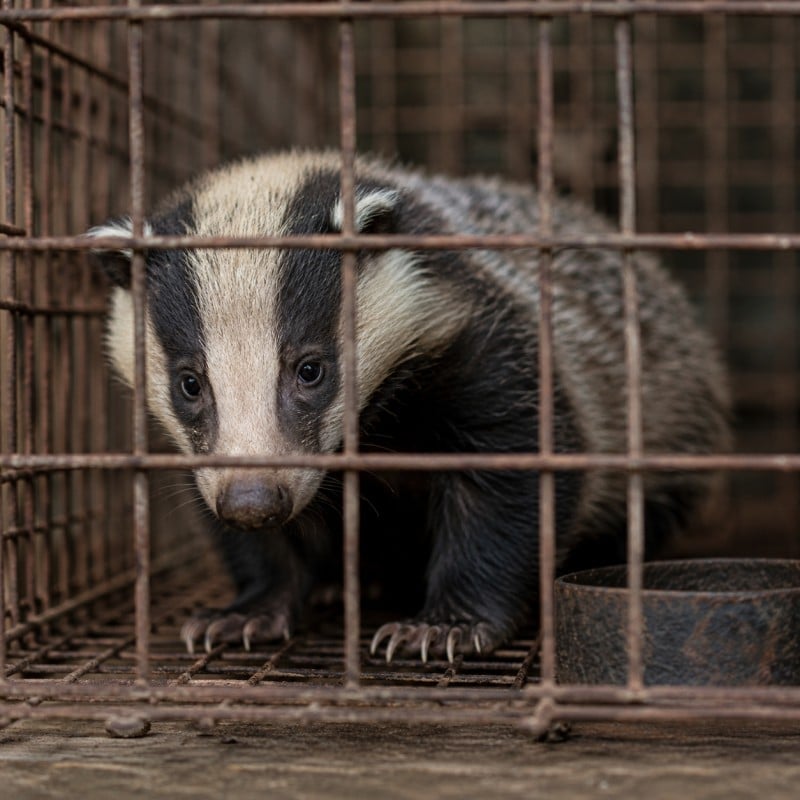
An investigation by PETA has prompted several top beauty retailers to eliminate badger hair brushes from their collections. this report has renewed the debate around animal-based ingredients in grooming and cosmetic tools. More brands and customers are now exploring synthetic fiber alternatives to natural badger hair.
New Evidence Triggers Industry response
In June 2026, a PETA investigator visited eight Chinese badger farms-China exports more badger fur than any other nation. The video evidence revealed badgers inside cramped wire enclosures, many with bald patches, raw injuries, and visible blood.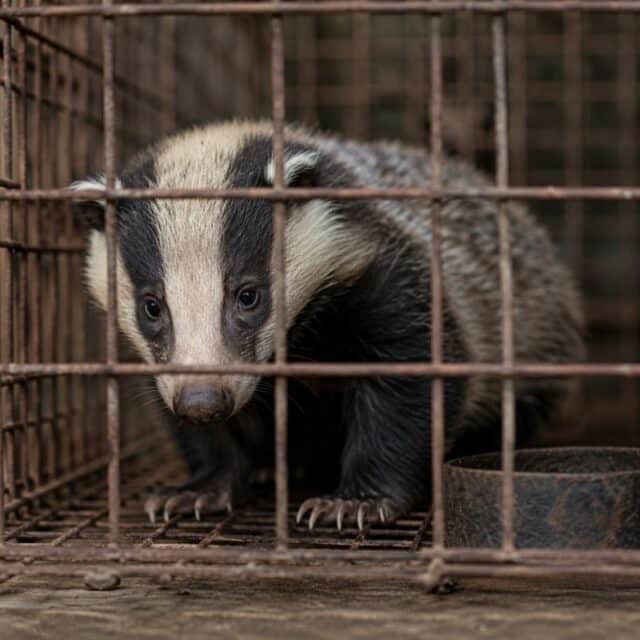
PETA reported serious animal mistreatment. The farms shown in the footage were not tied to any specific beauty retail chains, but the association claims that the purchase of badger hair brushes upholds an “industry rooted in cruelty.”
In reaction, multiple large retailers pulled badger hair products from their online and in-store offerings. PETA continues to urge companies still selling badger hair brushes to commit to a fur-free policy.
Disagreements Within the Industry
A grooming supplier responded, stating its sources in China breed badgers mostly for fat or oil, not for fur production. The company said that badger hair is considered a byproduct and only becomes valuable after complex processing.
They described the released videos as “troubling,” while maintaining that their own supply chain does not include the farms shown by PETA.
PETA rejects this argument. Representatives insist that badger hair remains a major “co-product” from farming and that brushes used in cosmetics and shaving make up a large share of the global demand for these animal fibers.
Rise of Synthetic Shaving Brushes
Synthetic bristles are being selected more often in the brush market.Industry analysis indicates many buyers choose these brushes based on quality and performance, not just as of animal welfare concerns.
The adoption of synthetic fibers-regarded as cruelty-free-shows the changing preferences of both brands and consumers for alternatives to animal hair.
Shift Toward Cruelty-Free Beauty Products
PETA Asia brought similar abuse cases to light in 2018,which led to more than 100 global brands removing badger hair brushes from their inventories.
The most recent actions by retailers reflect a broader industry shift away from animal-derived materials. Between June 2020 and July 2025, ethical beauty product launches worldwide grew by an average of 7% per year, according to Innova Market Insights.
Innova also found that 30% of consumers globally now prefer personal care products labeled as cruelty-free.
