
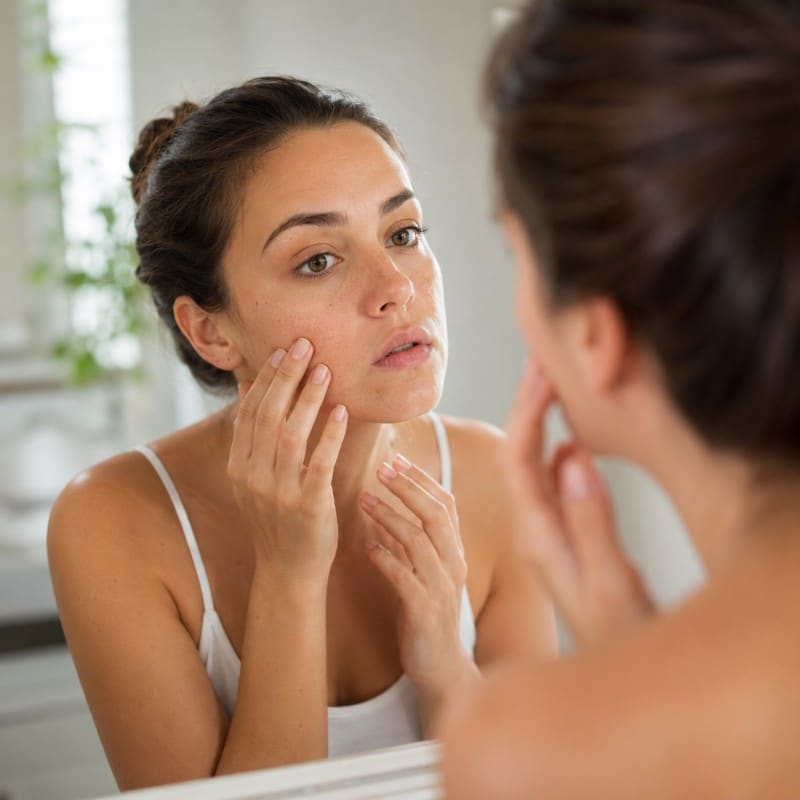
A recent global study discovered that 90% of individuals are concerned about the quality of their skin. Galderma’s large-scale research reveals these concerns are widespread, can influence emotional well-being, and often reflect patterns tied to age, lifestyle, and environmental factors. Described by the company as “the most complete skin quality survey to date,” the project surveyed more than 11,000 participants from Europe, Asia, and the Americas.
The Role of Skin Quality in Everyday Life
Survey results indicated 85% of participants believe their skin condition directly shapes their quality of life. The traits most valued were smoothness, lasting hydration, and a healthy glow.
Over a third reported that unsatisfactory skin made them feel embarrassed, less confident, or anxious.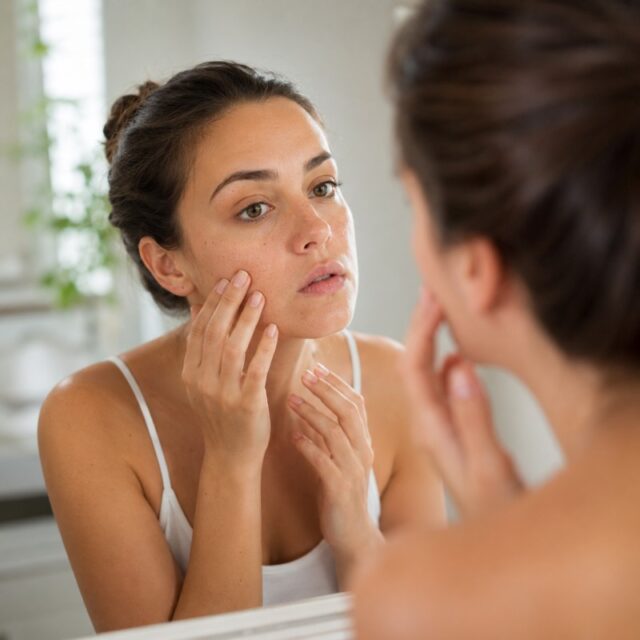
Backed by Galderma, the Skin Quality Assessment Scale was devised as a universal method for objectively measuring skin. this tool supports consistent evaluations and tailors treatment planning to the individual over time.
Dr. Kuldeep Minocha, Galderma’s global ambassador, explains, “Interest in skin quality is growing fast as people see themselves more often on video calls and social platforms. Until now, the exact scale and the strong emotional weight of these worries were not clear.”
“These findings provide deeper insights into patient experiences and help clinicians better understand needs that may not surface during routine appointments.”
Variations in Skin Concerns by Region
Skin quality includes visual, tactile, and functional factors visible throughout daily living, including hydration, flexibility, smoothness, luminosity, tightness, and evenness.
Of the 90% reporting concerns, each experienced around two specific issues within a month.
Fine lines and wrinkles concerned 41% of the group, followed by dry skin at 40% and lackluster skin at 37%. Facial skin was most commonly mentioned.other concerns,such as age spots,excess oil,reduced firmness,and large pores,predominantly affected the face,with some attention to the neck,legs,and upper arms.
Regional trends showed dry skin topping the list for 38% in Europe and 44% in North America. Latin american respondents (42%) and Asian respondents (45%) focused most on lines and wrinkles.
Dr.Christoph Martschin-dermatologist and lead investigator-notes, “While skin quality concerns are common everywhere, their type often depends on local climate, habits, and age groups.”
Galderma identifies aging,hormone levels,stress,diet,sun,pollution,and weight changes due to medication as factors reducing the presence of hyaluronic acid,elastin,and collagen in skin.Loss of these key components contributes to poorer skin quality and visible changes in texture and elasticity.
Mental Health and skin: Understanding the Connection
The survey confirms strong links between skin concerns and personal well-being.For 85%, skin had a noticeable impact on daily life.respondents labeled all concerns as unpleasant, but scars-including those from acne-were rated the most distressing, ahead of lines and wrinkles.
These discomforts often prompt individuals to look for new ways to improve appearance or seek medical advice.
Younger generations are especially attuned to these issues. About 70% of those ages 18-34 placed a high priority on skin quality.
The average age for first clinical treatments to improve facial skin was 26.
Those pursuing solutions to common skin issues reported the greatest satisfaction with hyaluronic acid fillers. For treating lines and wrinkles, 86% said they had positive results. Satisfaction rates reached 85% for dryness and 82% for dullness.
Creating Clear Standards for Skin Assessment
The Skin Quality Assessment Scale was designed to make evaluation more consistent, improving the process for setting treatment priorities, aligning goals, and tracking progress through time.
Galderma’s research highlights that a majority of doctors formerly relied on informal observation rather than structured tools.
Nearly two-thirds of clinicians did not apply an official instrument to judge skin quality, yet 81% saw the need for an accessible, thorough system.
Since its introduction, 98% of medical professionals using the scale agreed it made planning and monitoring treatments easier and more effective.
