Anti-Pollution Cosmetics: Rising Demand and Key Market Trends
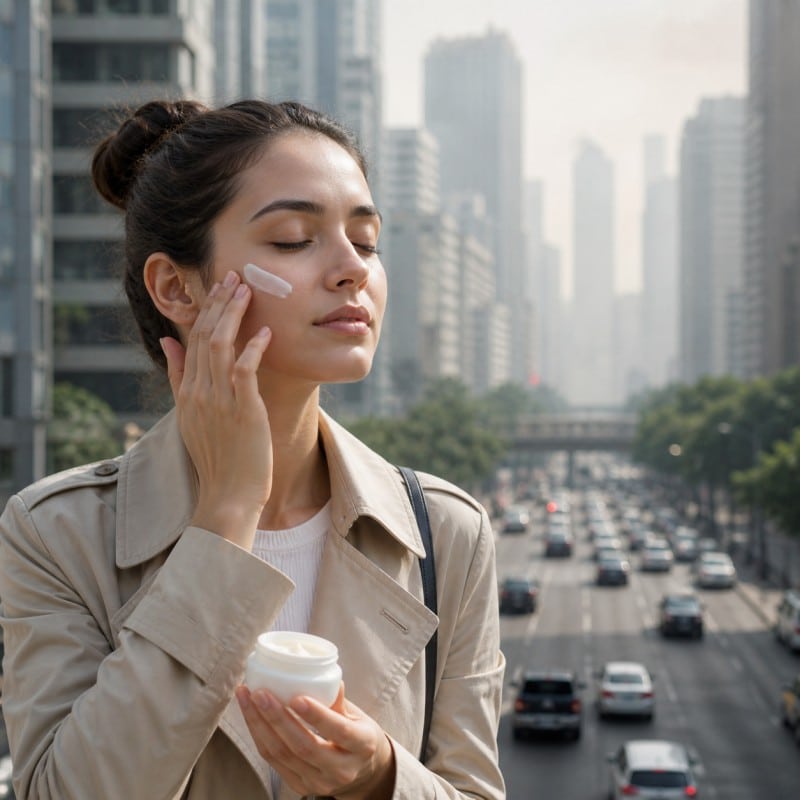
Interest in anti-pollution cosmetics is increasing rapidly. Public understanding of how pollutants damage and age the skin keeps rising, which is changing buying habits. Shoppers are now prioritising products that defend against environmental harm, rather than only seeking basic cleansing. Daily life in urban areas, where most people are exposed to smog and environmental stress, is a main reason for this shift. Skincare brands are responding with new blends and innovative ingredients to match these new demands.
Market Value and Future Outlook
In 2024, the global market for anti-pollution skincare reached USD 14.16 billion. Forecasts predict that this figure will rise to USD 21.43 billion by 2030, reflecting a CAGR of 7.1% between 2025 and 2030.
Research from other sources points to similar expansion, with a value of USD 13.45 billion in 2025 and an estimate of USD 21.32 billion by 2032 at a CAGR of 6.8%.
Certain industry analysts project further growth to USD 15.22 billion in 2025, possibly reaching USD 28.33 billion by 2034.
Key Forces Fueling Expansion
Air pollution is one of the main factors pushing market growth, with consumers taking more steps to protect their skin against daily exposure.
The steady increase in urbanisation means that a larger percentage of the world population faces environmental stress and poor air quality, which leads to a larger market for protective skincare.
Demands for natural and organic product lines are increasing as customers look for gentle but effective solutions in their routines.
Modern buyers wont formulas that create a barrier against threats like fine dust and UV rays, not just products for removing surface dirt. this expectation is now standard for many consumers.
Product Categories and Ingredient s
Cleansers dominate as they eliminate daily buildup from air and surface pollutants, setting the base for more specialised care.
Moisturisers and creams are the biggest segments, while serums and essences are gaining popularity for their targeted effects.
Masks and exfoliators fill out the selection, offering options that support a full skincare routine.
Ingredient choices drive much of the innovation. Antioxidants are highly valued for blocking free radicals, and vitamin C continues to grow in use for enhancing skin brightness and protecting skin structure.
Consumer demographics
Women still make up the bulk of buyers, reflecting heightened concern about the long-term impact of pollution on skin.
At the same time, men are entering the market at a faster pace, as self-care and grooming habits evolve globally.
Regional Growth Patterns
North america takes a prominent position, driven by strong awareness and high demand for product transparency and natural choices.
Asia Pacific shows the fastest rise, with people living in large cities and facing the region’s elevated rates of environmental pollution.
Europe maintains solid growth, with a focus on creams and moisturisers leading sales, and ongoing high interest in hydrating face masks.
How Lifestyle Influences Market Direction
Shifts in daily living, urban sprawl, and skin health education are shaping the anti-pollution cosmetics sector. Purchases are moving toward shielding the skin from daily environmental exposure.
Modern formulations go beyond cleansing to deliver layers of protection. This shift is keeping momentum high in the anti-pollution cosmetics industry.