Australian Sunscreen SPF Claims Face Closer Inspection
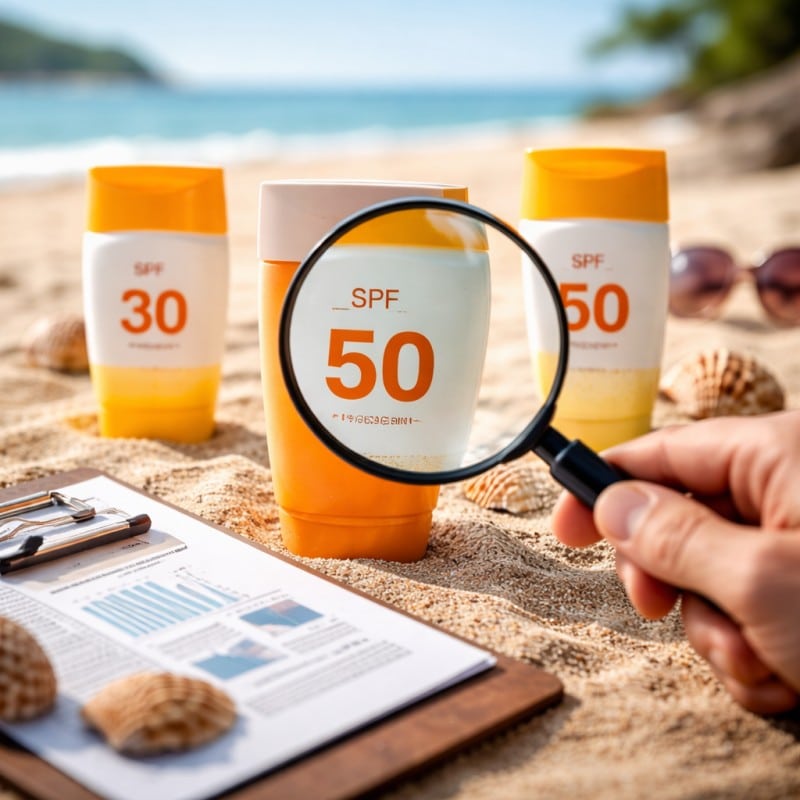
Australia, which reports teh highest rate of skin cancer worldwide, is seeing rising public worry over sunscreen products adn their SPF ratings. Scrutiny increased after several independent tests revealed that some sunscreens failed too match the protection their labels claimed. These findings have sparked debate within the cosmetics industry and introduced new challenges for product testing standards and regulatory practices. The issue quickly captured the focus of Australian consumers, regulators, and manufacturers. In a country where shielding skin from UV radiation is a daily concern,confidence in sunscreen effectiveness is critical.
SPF Label Accuracy and Public Health
Sunscreens play a vital role in Australia, where the incidence of skin cancer is among the highest globally. With nearly two out of three australians diagnosed with skin cancer by age 70, reliable SPF labelling is now more critically important than ever. Reports that several products may offer lower-than-stated protection brought confusion to the market and triggered a broad response from industry experts. Consumer advocates and health professionals have stressed the need for greater accuracy on sunscreen labels to help people make safer choices.
Concerns About SPF Testing and Verification
Evaluations by independent labs indicated a gap between SPF values claimed and the actual protection delivered by certain products. These discrepancies have led to a push for stricter, more transparent SPF testing protocols. Industry experts are reviewing current testing models to confirm if they match real-world sun exposure. with rising awareness among australians, many now demand clearer proof that products meet their advertised SPF.
How the SPF Debate Shapes Buyer Confidence
Doubts around sunscreen protection directly affect consumer trust. For millions in Australia, UV risk is a real and present danger. Most people depend on trusted SPF claims when picking a sunscreen. When SPF values are called into question, shoppers can lose faith in both individual brands and the sun care market. This can lead to increased demand for transparent testing reports and clearer facts on product labels to help buyers protect themselves against sun damage.
Regulatory Review and Possible Industry Changes
Regulatory agencies and the sunscreen industry are now re-examining the procedures used to test and approve SPF claims.Many stakeholders are urging for updated national guidelines that reflect real usage patterns-such as request thickness and long outdoor exposure. Any decision reached in this ongoing review will likely shape future standards for SPF evaluation. Over the coming years, the impact of these discussions may influence how both regulators and manufacturers verify, test, and label sunscreen sold in Australia.