Inside the Future of Fragrance: Trends Shaping the Scent Industry
The fragrance industry is currently trying to balance ethical sourcing with the expectations of younger consumers. Industry experts say these pressures are not only challenges but also opportunities for companies to collaborate and innovate around both existing and emerging scent trends. Recent discussions with professionals from the fragrance and personal care sectors offer insight into where the industry may be heading.
Market data shows that global fragrance launches are increasing significantly, with an average annual growth rate of about 51% between 2021 and 2025. This growth reflects several consumer preferences: many people favor lighter fragrances, often choose products based on brand identity, and are increasingly concerned about sustainability in product development. As a result, fragrance companies are responding to demands for greater transparency by following established disclosure and safety frameworks that assess fragrance ingredients and ensure consumer protection.
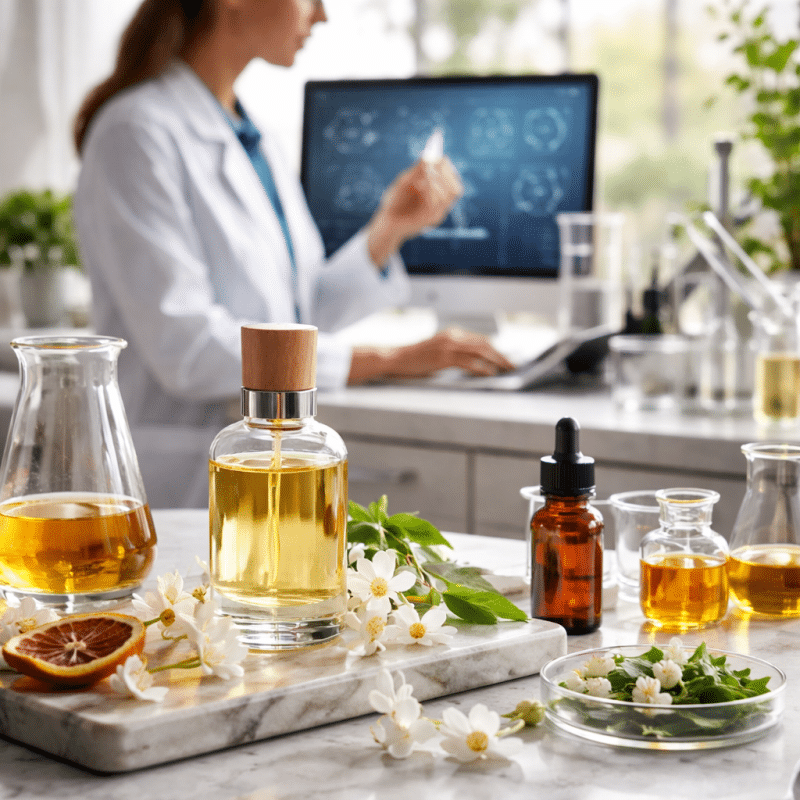
AI and the augmented perfumer
Artificial intelligence is expected to become a central part of fragrance development. Industry leaders believe AI tools can support perfumers at every stage of the creative process, from generating initial ideas to developing formulations and interpreting consumer insights. Despite this technological support, experts emphasize that the creative direction and authorship remain human-led.
AI can reduce development time, simplify complex processes, and improve the ability to meet performance targets. It also helps translate consumer preferences into clear formulation directions. Some companies are experimenting with AI-driven platforms that allow perfumers to interact with consumers in real time. Using semantic AI and natural language processing, these tools can convert qualitative feedback into useful formulation insights.
Advanced modeling is also being used to design new fragrance molecules and improve the performance of existing scents. In the future, personalization may move toward what some experts call “contextual design,” where factors such as personal preferences, emotions, social environments, and performance needs are combined to guide consumers in choosing fragrances.
Pressure drives innovation
Regulation and sustainability are also shaping the future of fragrance. Rather than simply reacting to policy changes, many companies are adopting proactive approaches to safety and allergen management by following international safety standards and research frameworks.
Technological innovation is helping maintain fragrance performance while reducing environmental impact. For example, new delivery systems for fragrances in fabric care products are being designed to meet regulatory requirements while remaining biodegradable. Companies are also working to reduce environmental footprints across the entire product lifecycle.
Advances in natural ingredient sourcing have become another important area of development. Some companies are investing in traceable supply chains and environmentally responsible ingredient production. One example is the use of carbon dioxide extraction technologies for natural materials, which can significantly reduce carbon emissions compared with traditional extraction methods. Other initiatives include replacing petrochemical solvents with organic alternatives and reformulating certain ingredients ahead of stricter safety standards.
Industry experts note that regulatory and environmental pressures often encourage innovation, leading to more efficient, science-based fragrance solutions.
Shifting consumer preferences
Consumer expectations around fragrance performance are also evolving worldwide. People increasingly expect scents to last longer, perform better, and reflect cultural influences from different regions. At the same time, consumer groups are becoming more diverse and specific in their preferences.
Younger consumers, particularly members of Generation Z, are using fragrance more frequently and in higher intensity. This trend has led fragrance developers to rethink how scents deliver long-lasting impact. For many younger users, fragrance is not only about smelling good but also about personal identity and self-expression.
Global scent preferences are also shifting. Richer fragrance styles traditionally associated with certain regions are gaining popularity in markets such as the United States and Brazil. To keep up with these changes, fragrance developers are increasingly gathering local consumer insights and establishing creative centers in different parts of the world. Long-term research programs analyzing consumer values across multiple countries are also helping companies identify opportunities beyond traditional demographic categories.
The future of fragrance
As consumers look for new sensory experiences, innovative fragrance formats are emerging. Solid perfumes, for example, are becoming a popular new option in personal fragrance.
At the same time, modern consumers — especially men — are adopting more advanced grooming routines that focus on skin health and high-quality products. This shift has encouraged brands to expand fragrance offerings across formats such as deodorants, body products, and layered scent systems.
Fragrance is increasingly seen as a form of self-expression rather than just a functional product. Consumers are also showing growing interest in scents that support emotional wellbeing and cognitive health.
To meet these expectations, companies are combining neuroscience, consumer insights, and advanced technologies to develop fragrances with both sensory and wellness benefits. Experts believe the future of the fragrance industry will be driven by innovation, artificial intelligence, and sustainability.