Sebum Regulation Test
$482.99
The sebum reduction test is a laboratory test that measures the level of natural oils (sebum) on the skins surface. It helps determine how effectively a cosmetic product can reduce excess sebum, control shine, or balance the skins sebum production. This test is essential for products that claim to have a mattifying, oil-controlling, or sebum-regulating effect.
Purpose of the Test
The purpose of the sebum absorption test is to assess whether a product reduces, maintains, or increases sebum secretion over time. The test provides quantitative evidence to support marketing claims for oily or combination skin care products, such as reduces shine, controls sebum production, or balances the skin.
How the test works
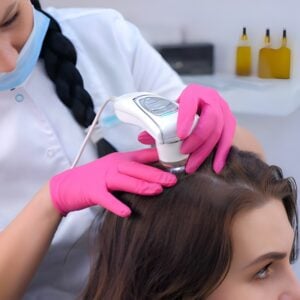
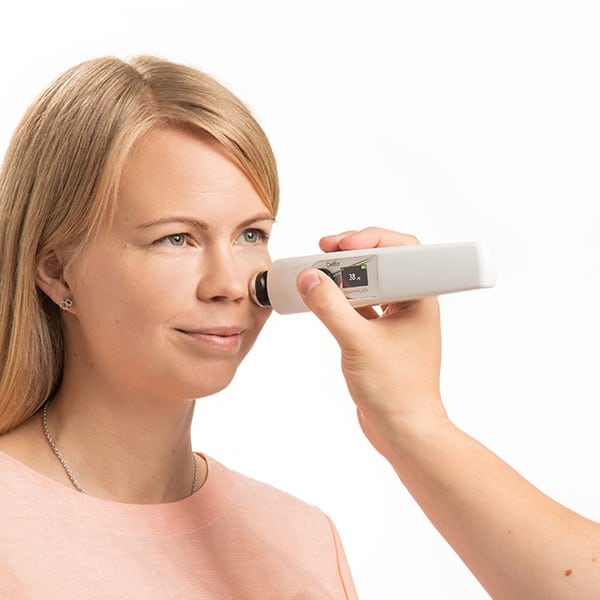
The test is performed using a device test, typically a Sebumeter or similar instrument. The device measures the amount of sebum collected on a special film pressed against the skin surface for a specified period. The amount of oil absorbed by the film is quantified through optical analysis, providing an accurate measurement of sebum production.
Applications in cosmetic testing
- Evaluation of mattifying creams, gels, and lotions
- Evaluation of oil-control skincare formulations
- Validation of sebum-regulating or anti-shine claims
- Testing of products for oily, acne-prone, or combination skin
- Measurement of sebum levels before and after product application
Test procedure
- Volunteers are acclimatized in a temperature- and humidity-controlled environment.
- Sebum levels are measured on untreated skin areas using a Sebumeter.
- The test product is applied according to the instructions for use.
- Subsequent sebum measurements are taken at specific intervals (e.g., 30 minutes, 2 hours, 4 hours, 6 hours).
- Changes in sebum production are statistically analyzed to determine the products efficacy.
Results and reporting
The final report includes:
- Test protocol and equipment used
- Baseline and sebum levels after application
- Statistical analysis of sebum reduction or balance
- Interpretation of product performance and efficacy
- Optional graphical representation of results
Why this test is important
Sebum plays an essential role in protecting the skin, but an excess of sebum can cause shine, clogged pores, and breakouts. The sebum reduction test provides objective data demonstrating whether a cosmetic formula effectively reduces sebum production or restores balance. It supports product claims for clear, matte, and balanced skin.
Sample requirements
- Minimum quantity: 50100 g or ml of finished product
- Number of samples: 11 finished products
- Product type: creams, gels, serums, lotions, masks, or cleansers
- Storage: room temperature unless otherwise specified
Turnaround time
The typical turnaround time is 1015 business days after receipt of samples and confirmation of the protocol.
Deliverables
- Comprehensive laboratory report in PDF format
- Raw and analyzed data on sebum levels over time
- Summary suitable for use in regulatory, R&D, and marketing applications
Compliance and Standards
The sebum regulation test is performed in accordance with international cosmetic testing standards under controlled laboratory conditions. All procedures comply with Good Laboratory Practice (GLP) and guarantee reproducible, scientifically validated results.
Related tests
- TEWL test (Transepidermal Water Loss)
- Corneometry (skin hydration measurement)
- Skin pH measurement
- Shine reduction Visual assessment